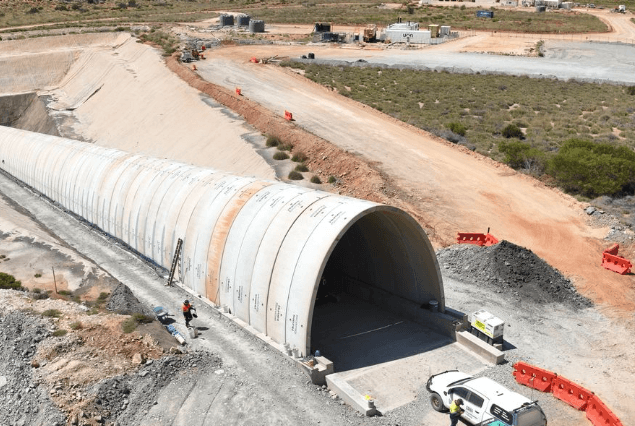
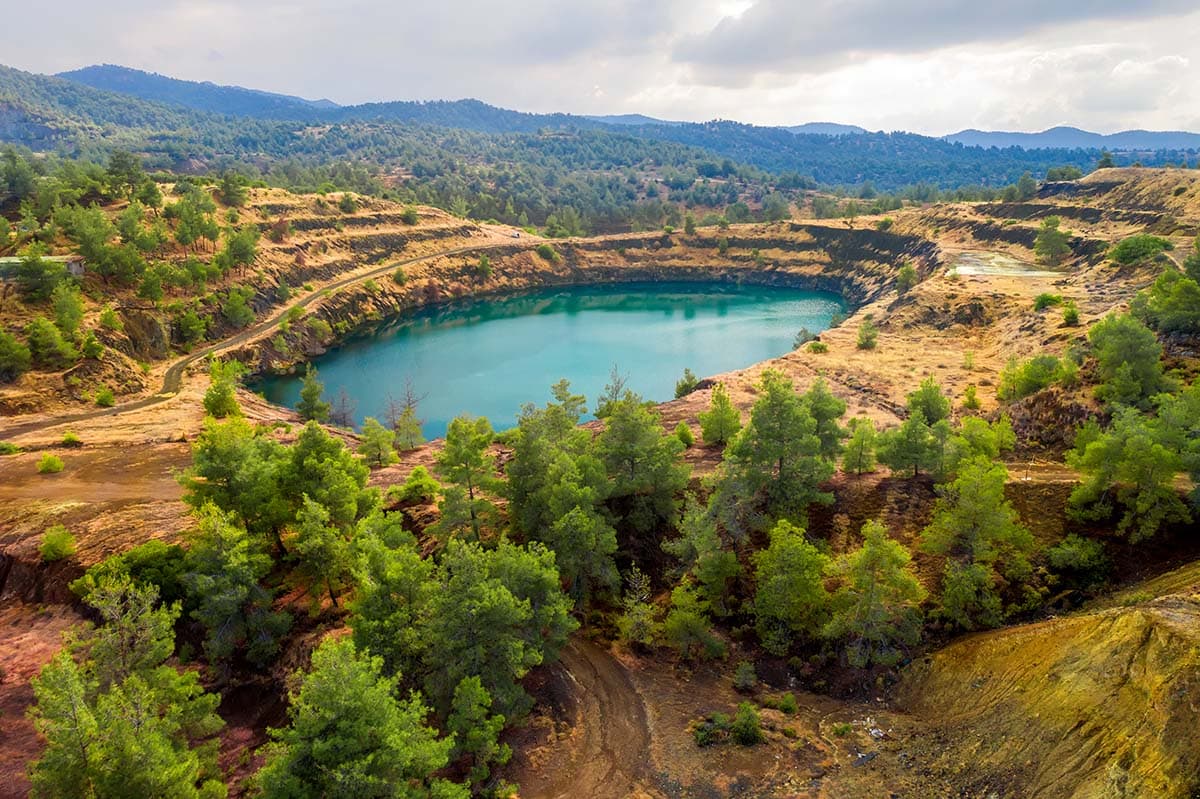
Greatland Resources has secured the primary state and federal environmental approvals required for the Havieron gold-copper project in Western Australia, clearing a major regulatory hurdle ahead of a targeted final investment decision this quarter. The underground development is designed to feed high-grade ore into Greatland’s existing Telfer processing hub.
Arafura Rare Earths has approved development of the Nolans project in the Northern Territory, advancing Australia’s first fully integrated ore-to-oxide rare earths operation toward construction from September 2026. The decision follows binding offtake support, government-backed financing and renewed urgency around non-China rare earth supply.
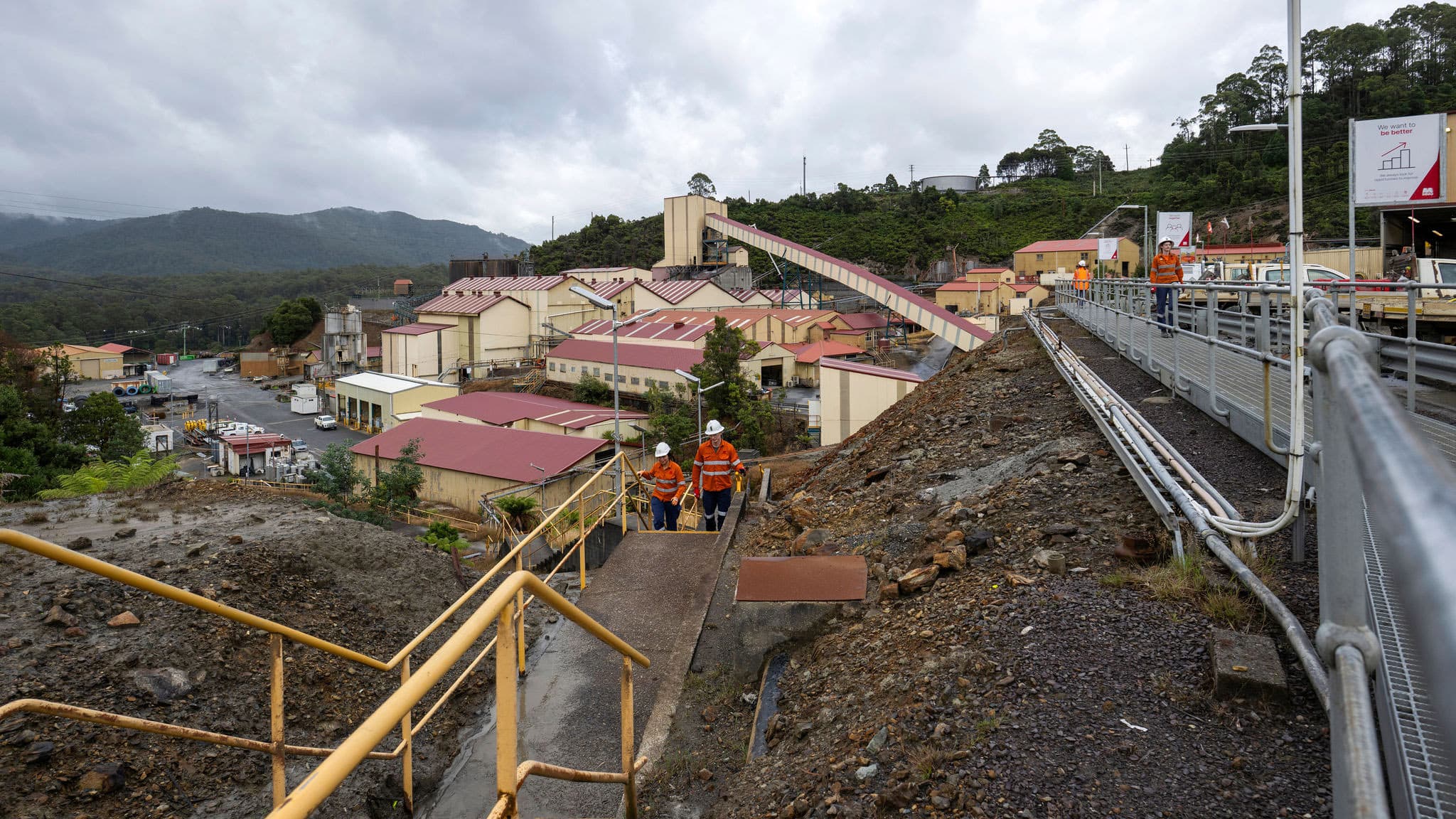
MMG is moving to secure the long-term operating future of its Rosebery mine in western Tasmania, exploring three tailings storage locations designed to support one of Australia’s longest-running base metals operations beyond the end of this decade. MMG is moving to secure the long-term operating future of its Rosebery mine in western Tasmania, exploring three tailings storage locations designed to support one of Australia’s longest-running base metals operations beyond the end of this decade.
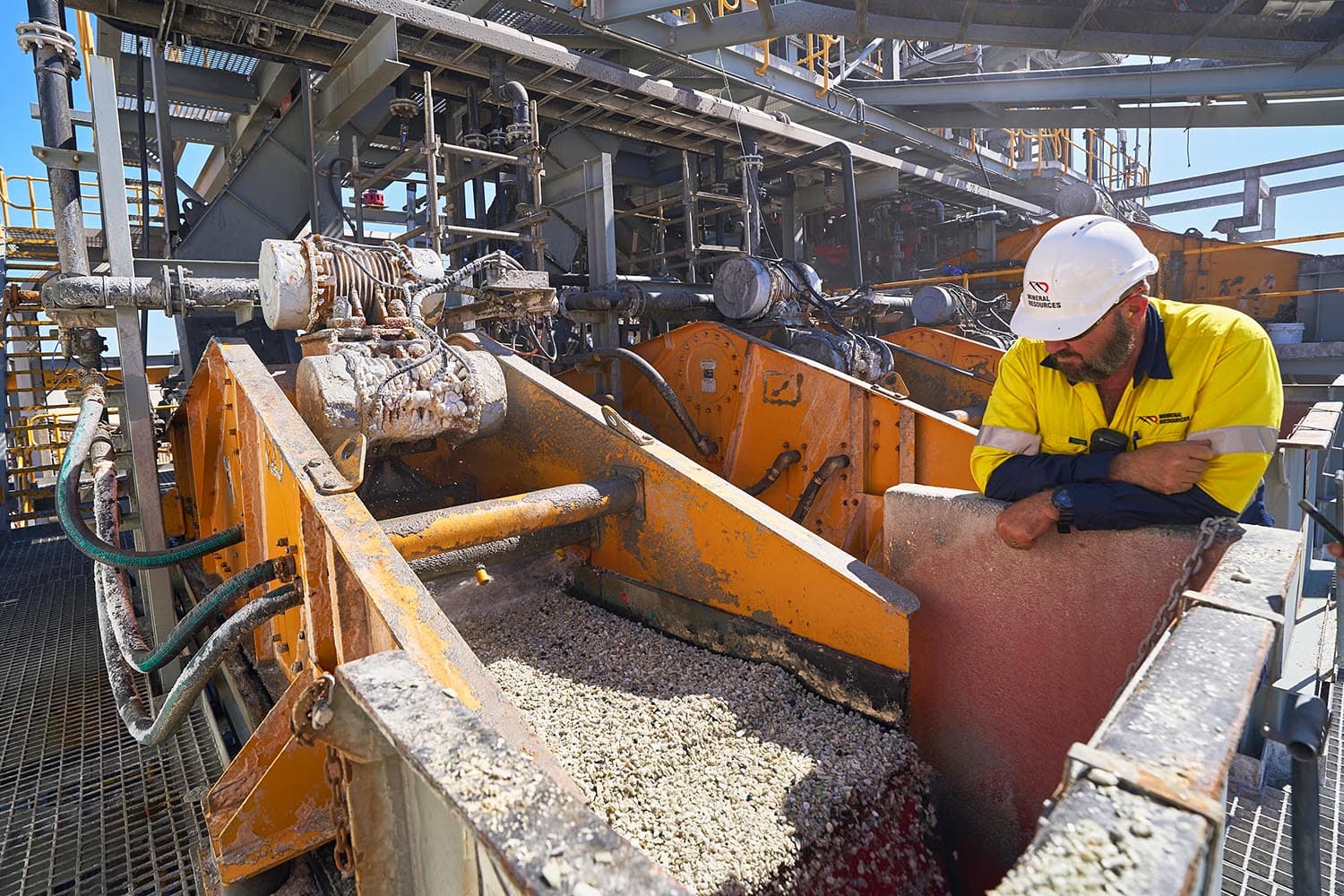
Mineral Resources will restart its Bald Hill lithium mine in Western Australia, bringing a production-ready spodumene operation back into the market after lithium prices recovered from the downturn that forced the asset onto care and maintenance in 2024. Mining and crushing are due to begin in June, with first concentrate targeted for July.
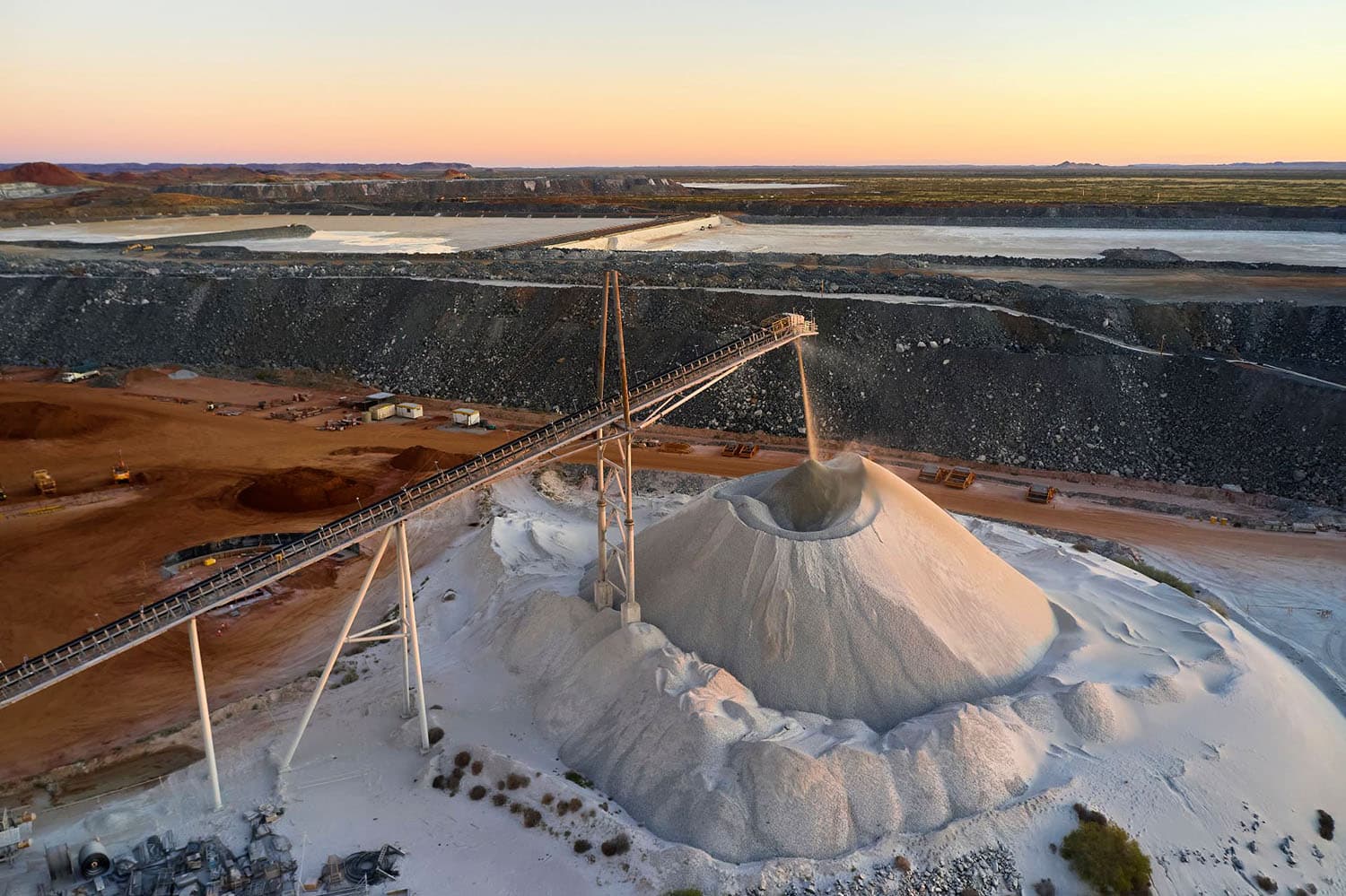
Despite extreme volatility in the global lithium market PLS Group is relentlessly executing its P1000 expansion project at the massive Pilgangoora operation in Western Australia. Formerly known as Pilbara Minerals the company rebranded in late 2025 to reflect its growing global portfolio. By pushing nameplate capacity toward one-million tonnes per annum of spodumene concentrate, the operator is structurally lowering its unit costs and fortifying its position as a dominant global supplier. For the investment community, PLS Group is demonstrating how a fortress balance sheet and absolute scale can insulate a pure play operator from commodity price troughs.
As the global copper supply deficit tightens, Barrick Gold is aggressively advancing its Reko Diq copper-gold mega-project in Pakistan. Representing one of the largest undeveloped copper-gold porphyry deposits in the world, the project is undergoing rigorous capital and timeline modelling. With an anticipated multi-decade mine life and a phased development approach, Reko Diq is set to fundamentally reshape Barrick’s base metals portfolio. For institutional investors, the successful execution of this tier-one asset in a frontier jurisdiction will serve as a definitive test of Barrick’s geopolitical risk management and capital allocation strategies.
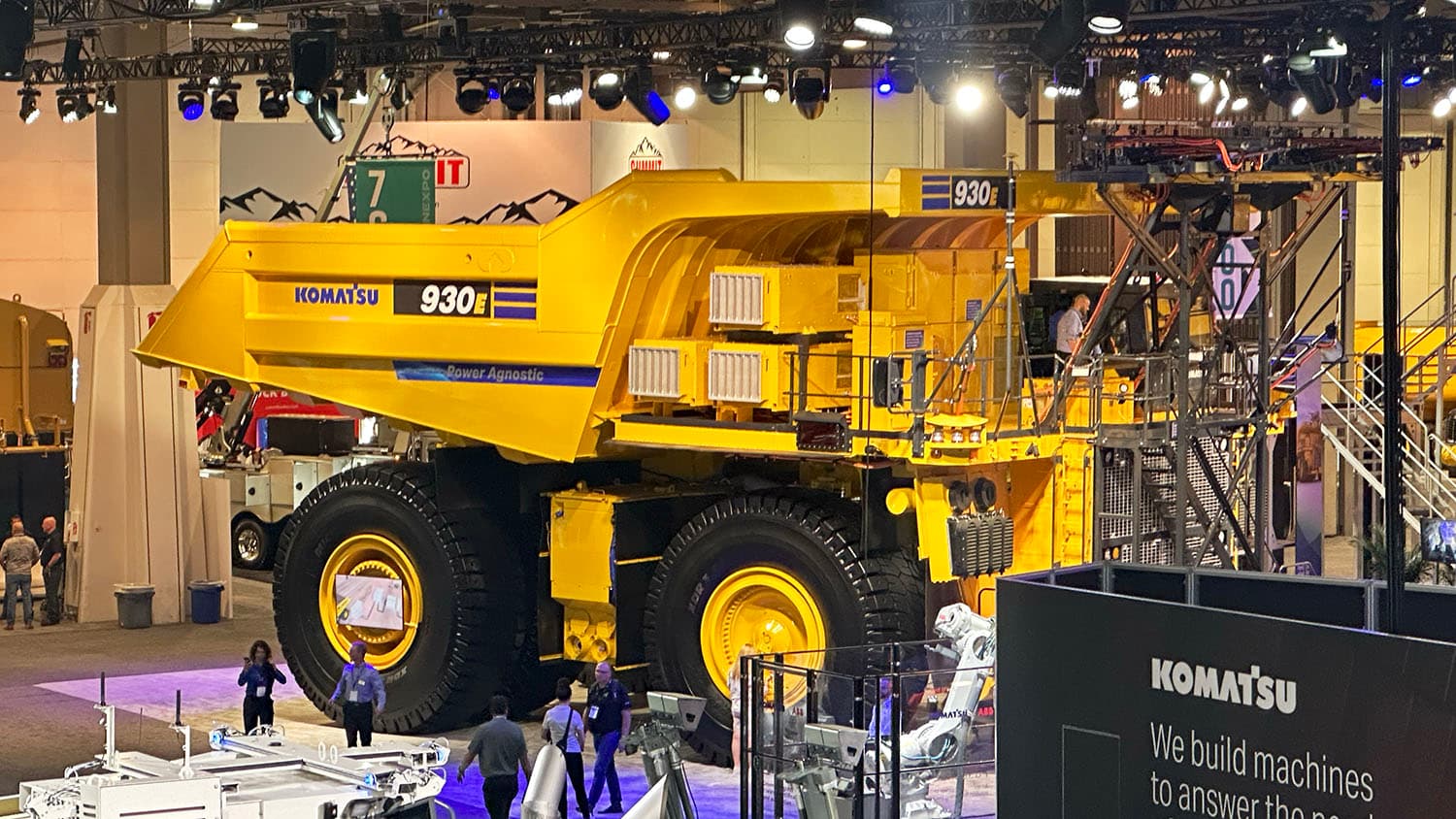
Santana Minerals has fundamentally altered the development trajectory of its Bendigo-Ophir Gold Project by securing a NZ$115 million mobile mining equipment fleet directly from Komatsu. This aggressive procurement strategy is designed to drastically accelerate site works ahead of a fast-track approval decision expected in late October 2026. By bypassing traditional contract mining arrangements CEO Damian Spring confirmed the company is shifting to an owner-miner model paired with a residential workforce. This strategic pivot strips out embedded contractor margins, structurally lowers operational costs and sets a new benchmark for capital efficiency among mid-tier gold developers in Australasia.
The United States has executed an unprecedented intervention into the global critical minerals market by launching "Project Vault." Backed by the Export-Import Bank of the United States, this initiative establishes a heavily funded domestic strategic reserve for critical minerals. The board approved a direct loan of up to $10 billion to finance the extraction, processing and stockpiling of energy transition metals. Concurrently, the State Department signed 11 new bilateral frameworks with nations including Argentina, Peru and the Philippines to lock in end-to-end supply chains. For mining executives, this signals a definitive shift from free-market dynamics to state-sponsored industrial policy.
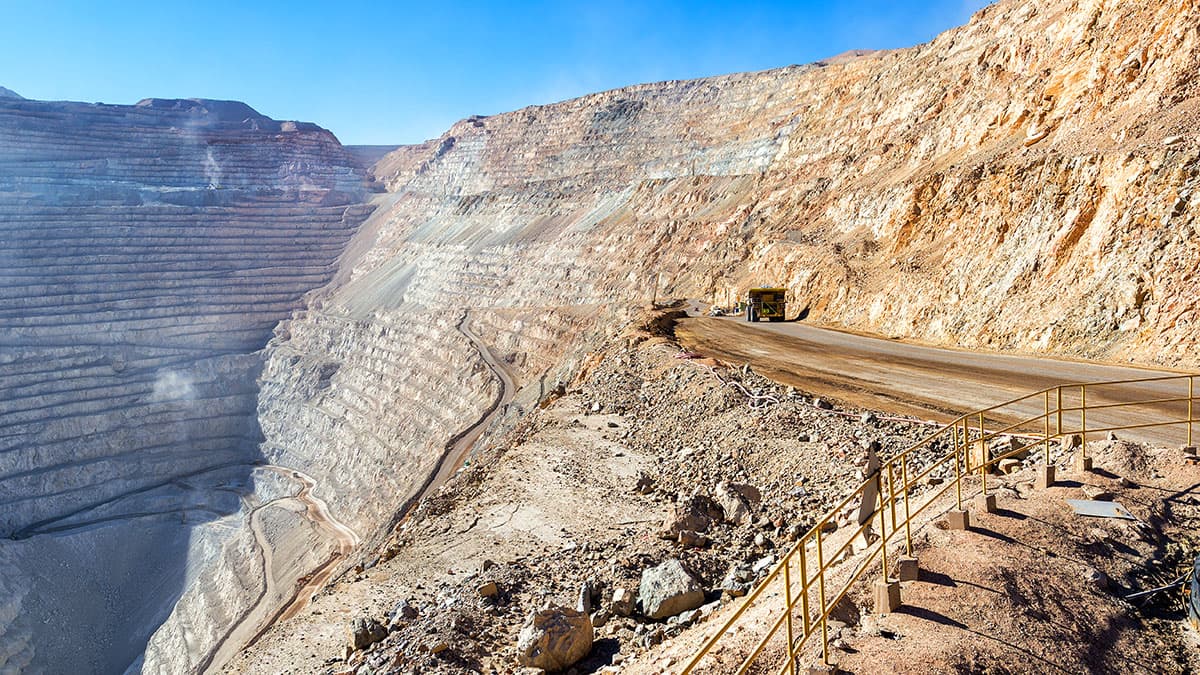
Teck Resources continues ramping up its Quebrada Blanca Phase 2 (QB2) copper project in Chile, one of the largest new copper developments globally. With expected production of up to 300,000 tonnes annually, the project is central to future supply. As of March 2026, commissioning challenges typical of large-scale operations are being addressed, while elevated copper prices are increasing pressure to reach full capacity. Operating within Chile’s evolving regulatory environment under President Gabriel Boric, QB2 highlights the complexity of modern mining projects and their importance in meeting growing global demand for copper.
BHP’s Jansen Potash Project in Canada is moving steadily toward production, positioning the company as a major player in global fertiliser markets. With Stage 1 capacity targeting over 4 million tonnes annually, the project is gaining importance amid strong demand and constrained global supply. Supported by stable Canadian policy settings, Jansen represents a long-term strategic shift for BHP into agriculture-linked commodities. As potash prices remain firm in 2026, the project is expected to play a key role in global food security while creating significant opportunities for contractors and suppliers across mining, processing and infrastructure.
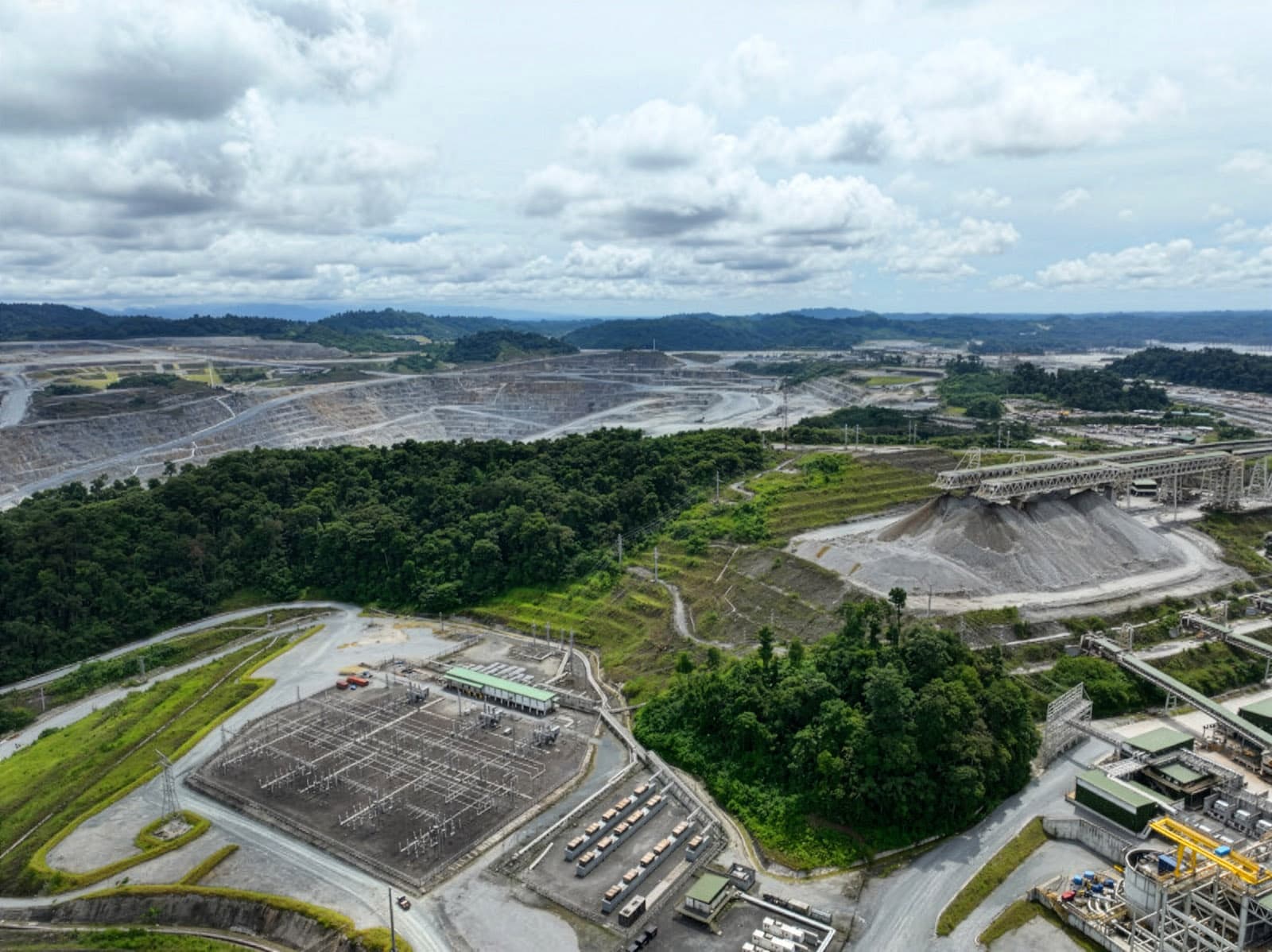
The ongoing shutdown of the Cobre Panamá copper mine continues to disrupt global supply in 2026, with no resolution yet reached between First Quantum Minerals and the Panamanian government. Producing up to 350,000 tonnes annually before closure, the mine’s suspension has tightened global markets and elevated copper prices. With President José Raúl Mulino maintaining a firm stance on sovereignty and environmental conditions, the dispute highlights the growing influence of political risk in mining. The outcome will have lasting implications for global copper supply, investor confidence and the future of large-scale mining developments in emerging jurisdictions.
Newmont Corporation is advancing operational efficiency across the Nevada Gold Mines joint venture, the world’s largest gold mining complex. In partnership with Barrick Mining Corporation, the strategy focuses on asset optimisation, processing improvements and cost control. With Tier 1 assets such as Carlin and Cortez, the JV is delivering strong production while improving margins. The initiative is creating new opportunities for contractors in underground development, processing optimisation and digital systems as the operation continues to evolve.
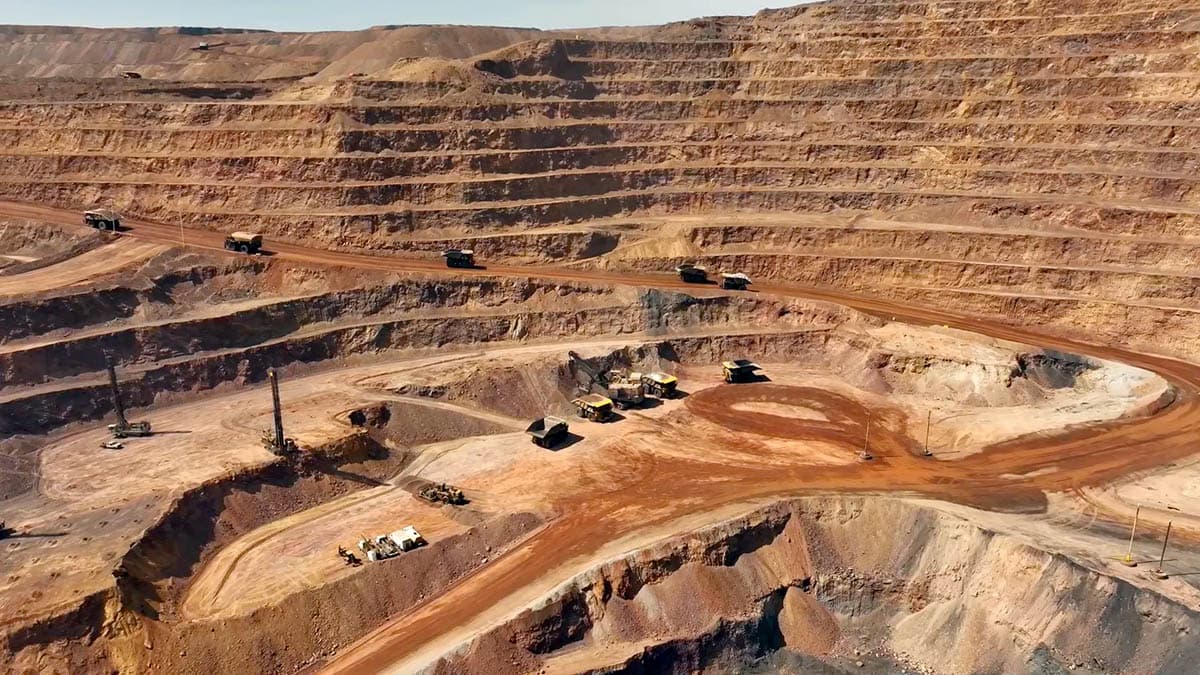
Rio Tinto is advancing optimisation across its Pilbara iron ore network to maintain record export volumes driven by strong Asian demand. With integrated upgrades across mine, rail and port infrastructure, the company is focusing on debottlenecking existing assets rather than new greenfield developments. Key operations such as Gudai-Darri are central to this strategy. The shift presents immediate opportunities for contractors in maintenance, automation and infrastructure upgrades, reinforcing the Pilbara’s position as the world’s most advanced bulk mining system.
AI is transforming mining operations, from predictive maintenance to processing optimisation. Companies are leveraging data to improve efficiency, reduce costs and enhance decision-making.
Western Australia’s nickel sector is undergoing a significant reset as operators respond to pricing pressure and global competition. Asset rationalisation, care and maintenance decisions and potential sales are reshaping the industry landscape. The shift is creating both challenges and strategic opportunities.
Environmental, social and governance expectations are reshaping how capital flows into the mining sector. Institutional investors are increasingly scrutinising project sustainability, pushing operators to embed ESG into core design and operations. This shift is influencing approvals, financing and long-term viability, particularly for large-scale developments. For mining companies, strong ESG performance is no longer optional but a prerequisite for accessing capital and maintaining stakeholder confidence.