Cobre Panamá Crisis Intensifies in 2026 as Presidential Standoff Reshapes Global Copper Supply
The ongoing shutdown of the Cobre Panamá copper mine continues to disrupt global supply in 2026, with no resolution yet reached between First Quantum Minerals and the Panamanian government. Producing up to 350,000 tonnes annually before closure, the mine’s suspension has tightened global markets and elevated copper prices. With President José Raúl Mulino maintaining a firm stance on sovereignty and environmental conditions, the dispute highlights the growing influence of political risk in mining. The outcome will have lasting implications for global copper supply, investor confidence and the future of large-scale mining developments in emerging jurisdictions.
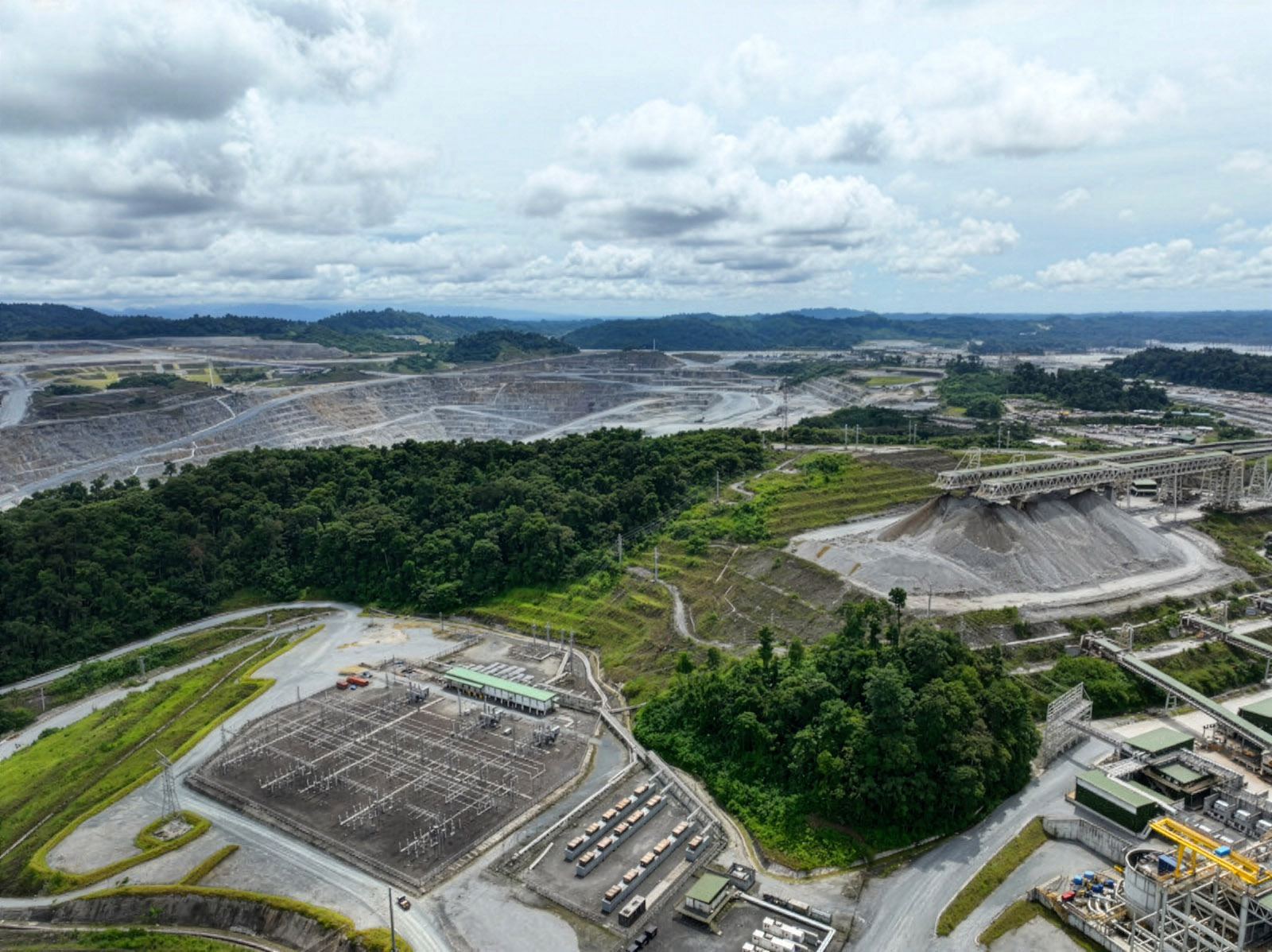
The Cobre Panamá copper mine has become one of the most closely watched and politically charged mining disputes in the world, with its continued shutdown in 2026 underscoring the increasing intersection between resource development and national sovereignty. Operated by First Quantum Minerals (TSX: FM), the mine is located on Panama’s Caribbean coast and was, until its suspension, one of the most significant new copper producers globally.
At full production, Cobre Panamá was delivering between 300,000 and 350,000 tonnes of copper annually, accounting for approximately 1.5 percent of global supply. Developed at a cost exceeding US$10 billion, the operation included an open pit mine, concentrator and dedicated port and power infrastructure, representing one of the most complex and capital-intensive mining projects of the past decade.
The origins of the current crisis can be traced back to growing domestic opposition to the mine, driven by environmental concerns, perceptions of unequal economic benefit and broader political tensions. These issues culminated in a landmark decision by Panama’s Supreme Court in late 2023, which ruled the mining contract unconstitutional. The decision forced an immediate halt to operations and placed the future of the mine in uncertainty.

As of Q1 2026, the dispute remains unresolved and has escalated into a high-level political standoff. President José Raúl Mulino has maintained a firm and consistent public position that any future mining activity must align fully with Panama’s legal framework and deliver significantly greater returns to the nation. In public statements, Mulino has emphasised the need to protect national interests and environmental standards, reinforcing the government’s willingness to prioritise sovereignty over immediate economic gain.
This stance has created a complex balancing act for the Panamanian government. On one hand, the mine previously contributed substantially to the national economy, supporting thousands of jobs and generating significant export revenue. On the other, the political and social pressure to reform the terms of resource development remains strong. Officials from Panama’s Ministry of Commerce and Industries have acknowledged the economic gap created by the shutdown, yet have reiterated that any resolution must meet stricter regulatory and environmental expectations.
The global copper market continues to feel the impact of the mine’s absence. As of March 2026, copper prices are trading in the range of approximately US$4.00 to US$4.50 per pound, supported by strong demand linked to electrification, renewable energy infrastructure and electric vehicle production. The removal of Cobre Panamá from the supply chain has exacerbated an already tight market, increasing reliance on ageing operations in Chile and Peru and accelerating the development of alternative projects worldwide.

Beyond its immediate market impact, the situation has become a defining case study in sovereign risk. It demonstrates that even technically robust, well-capitalised projects can be derailed by legal and political factors. For mining companies and investors, the implications are significant. Greater emphasis is now being placed on jurisdictional stability, stakeholder engagement and long-term social licence to operate.
From an operational perspective, the site remains under care and maintenance, creating a different set of opportunities for contractors and service providers. Environmental management, asset preservation and compliance services are now central to ongoing activities. Should a resolution be reached, the scale of the restart would be considerable, involving major recommissioning efforts across processing plants, infrastructure and supply chains.
The future of Cobre Panamá remains uncertain, but its influence on the mining industry is already clear. It has reshaped perceptions of risk, highlighted the growing role of government in resource development and reinforced the importance of aligning economic, environmental and social objectives in large-scale mining projects.
Associated companies
First Quantum Minerals Ltd. (TSX:FM)