Rio Tinto Optimises Pilbara Network to Sustain Record Iron Ore Output Amid Surging Asian Demand
Rio Tinto is advancing optimisation across its Pilbara iron ore network to maintain record export volumes driven by strong Asian demand. With integrated upgrades across mine, rail and port infrastructure, the company is focusing on debottlenecking existing assets rather than new greenfield developments. Key operations such as Gudai-Darri are central to this strategy. The shift presents immediate opportunities for contractors in maintenance, automation and infrastructure upgrades, reinforcing the Pilbara’s position as the world’s most advanced bulk mining system.
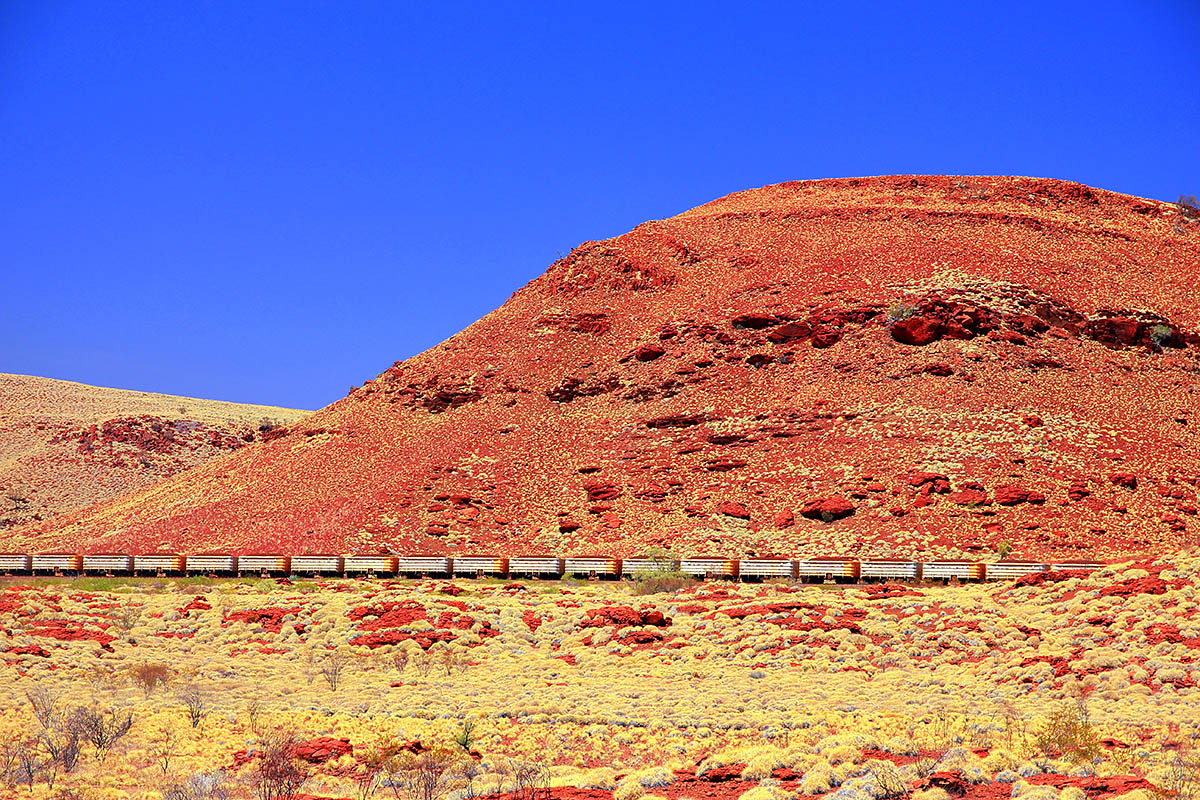
Rio Tinto continues to refine its Pilbara iron ore system in Western Australia, focusing on operational optimisation rather than large-scale new developments. This strategy is being driven by sustained demand from China and emerging growth in India, which is increasing pressure on export capacity. A central asset in this system is the Gudai-Darri mine.
Gudai-Darri represents one of Rio Tinto’s most technologically advanced operations, incorporating autonomous haulage and advanced processing systems. Rather than expanding through new mines, Rio Tinto is focusing on improving throughput across its integrated network of mines, rail infrastructure and port facilities at Dampier and Cape Lambert.
Recent operational performance has demonstrated the effectiveness of this approach, with high utilisation rates across the network. The focus is now on removing bottlenecks in rail scheduling, crusher throughput and ship loading capacity.
Gudai-Darri’s use of autonomous haulage has reduced cycle variability and improved fleet efficiency, contributing to higher overall system reliability.
Associated companies
Rio Tinto (ASX:RIO)

Related Articles
Opportunities for Suppliers and Contractors
- • Rail signalling and automation upgrades
- • Conveyor and crusher maintenance
- • Port loading infrastructure enhancements
- • Predictive maintenance systems