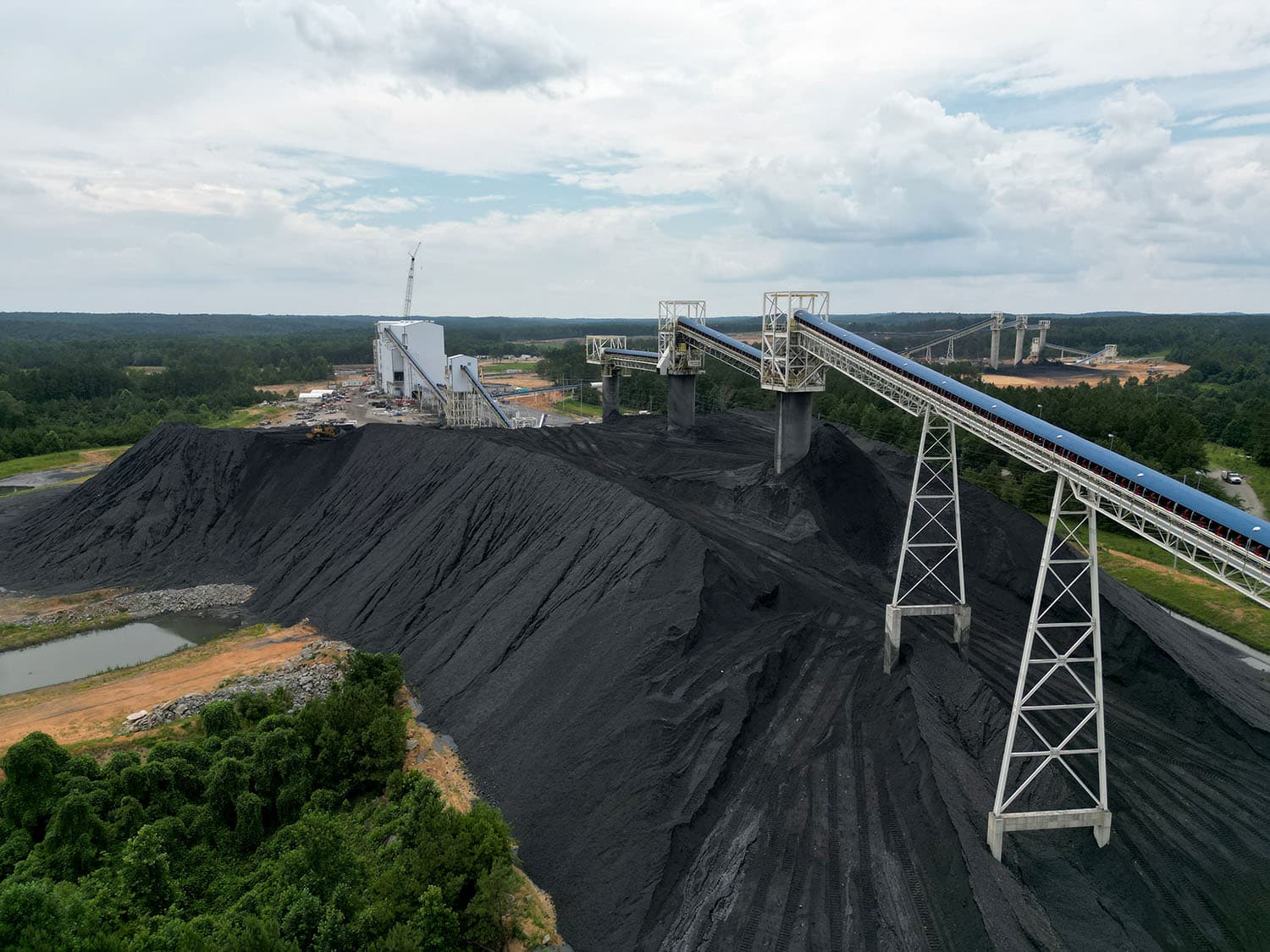
Australian Coal Mining in 2026: Strong Exports, Brownfield Expansions and the End of Greenfield Projects
Australia’s coal sector remains a major force in 2026, underpinned by strong Asian export demand, stable production and a pipeline of brownfield expansion projects across New South Wales and Queensland. While thermal and metallurgical coal continue to generate significant revenue and support regional employment, political, legal and investment pressures are making new greenfield developments increasingly unlikely. With governments backing existing operations but tightening the pathway for future standalone mines, coal producers are being forced to focus on optimisation, community engagement and project resilience. MNI examines the industry’s current strength, its emerging constraints and the expansion projects shaping its next phase.
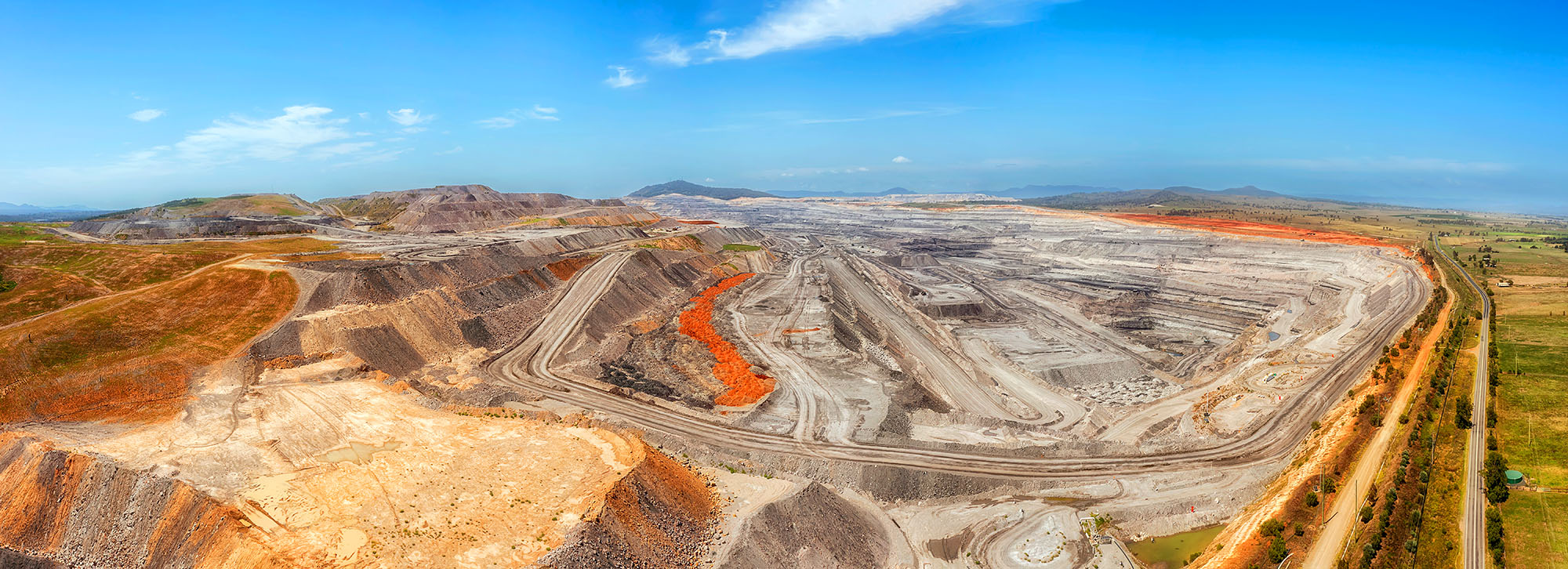
Australia's Coal Mining sector continues to remain resilient in 2026 thanks to reasonably strong overseas demand and approved expansion projects marching forward, however new greenfield projects are unlikely as the government grapples with the global energy transition amid shifting investment and policy pressures.
Around seventy per cent of Australia’s coal is exported to Asia each year, with the remainder used domestically for local energy needs.
The sector employs around 50,000 people, mostly based in the eastern states of New South Wales and Queensland, where it has been a bedrock employer to communities for decades.
Australia remains one of the largest net exporters of coal in the world and thermal coal accounts for around sixty per cent of Australia’s annual coal output, with metallurgical coal the remainder.
Export revenue for the commodity was worth AU$91.4 billion between 2023-24.
Nationally, coal production is forecast to increase by 3.9% this year, reaching 483.2 million tonnes, after what has been a relatively flat last couple of years.
Thermal coal prices are forecast to stabilise at around AU$151/tonne in 2026 before rising slightly to $AU154/tonne in 2027 as production costs rise.
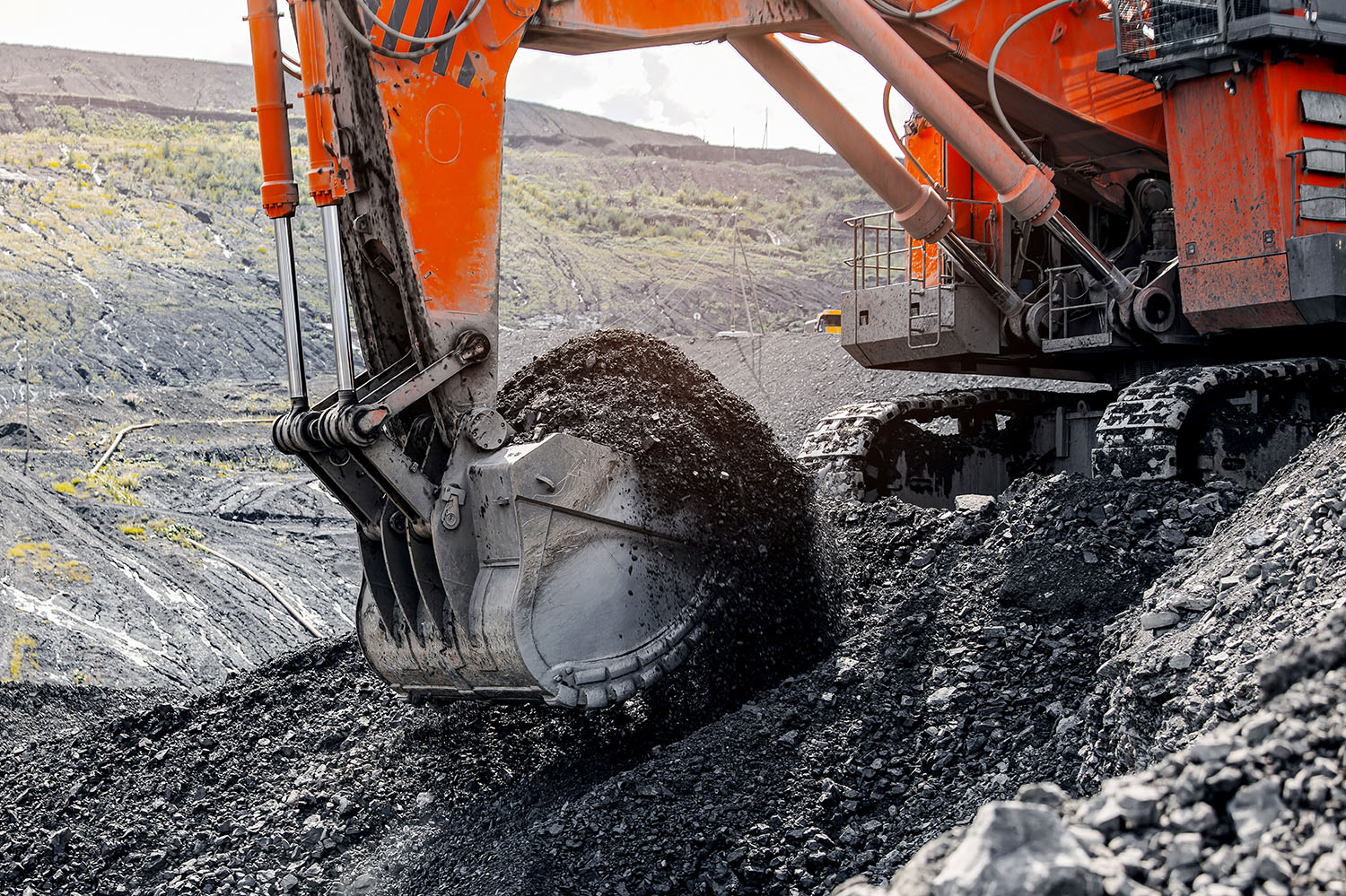
Metallurgical coal prices are forecast to be flat through 2026, before increasing slightly in 2027.
While the coal sector remains a strong force in Australian mining - dominated by companies such as Whitehaven, Glencore, Yancoal, BHP and Peabody – some structural weaknesses exist due to global energy changes and climate policies.
London and Melbourne headquartered Rio Tinto for example, exited Australia’s coal market eight years ago completely and US giant Anglo American remains in a complicated battle in its determination to divest its Australian coal operations.
Nonetheless, an analysis by MNI shows that the combined production of coal remains solid at an average of 460Mt per year mark and the value of coal exports has been continually increasing for years.
A range of expansions are also approved and underway, with brownfield sites now the preferred mechanism for companies to sustain their operations as preexisting infrastructure and economic factors remain more favourable.
This does not mean expansion approval processes are either easy or guaranteed of course: significant pressure from lobby groups, thinktanks and investment firms have been brought to bear to dissuade successive governments and courts from allowing proposals.
Some Australian-based mining companies that have spoken to MNI have complained about endless court lawfare after filing expansion proposals, with well-funded community and other pressure groups seemingly infinitely delaying approvals that have already been granted government approval.
Others have remarked upon a perceived bias towards climate action goals against job and economic benefits.
This has naturally contributed to an environment where miners seeking expansions leave no stone unturned when it comes to project viability, responsible environmental stewardship and a robust understanding of potential community concerns and PR strategies.
Perhaps the best example of present Australian political sentiment towards its coal sector came from a NSW Labor government minister after the release of the state’s Coal Industry 2026-2050 statement in March, where the value of the sector was affirmed while new future developments were more-or-less ruled out.
“Coal has supported NSW’s economy, powered local industries and sustained thousands of jobs in local communities in regional NSW for generations. While global demand for coal is expected to decline over time, coal will remain an important part of the NSW economy as renewable energy and industrial processes are deployed.
…The Minns Labor Government will continue to support coal production where it is already occurring, while placing strong guardrails around future development.
This ensures NSW can meet its commitments to key trading partners, meet our own needs and provide stability for workers, families and local communities in coal-producing regions.
[However], the Government will not consider proposals for new standalone greenfield coal mines”, the statement said.
The Olive Downs open-cut metallurgical coal mine – based in Queensland’s iconic Bowen Basin region – commenced development in 2023 and is likely to be the very last greenfield coal mine to ever be approved by Australian governments.
The site nevertheless is predicted to have an astonishing eight-decade life span.
Expansions
Present brownfield sites approved for expansion, albeit some of which are still being legally contested include:
Mach Energy Australia’s Mount Pleasant Mine in NSW
The Mt Pleasant Optimisation Project was approved with conditions by the Independent Planning Commission on 6th September 2022.
A staged increase in extraction, handling and processing of run-of-mine (ROM) coal up to 21 million tonnes per annum will occur, according to the company. This will result in the increase of the average operational workforce to approximately 600 people, with a peak of approximately 830 people.
Glencore / Yancoal’s Ashton & Ravensworth Mines in NSW
The Ravensworth Mine Complex and Ashton Mine Complex are neighbouring open cut and underground coal mining complexes in the Hunter Valley region of NSW. Recent approvals extend mining operations until December 2032.
Whitehaven’s Narrabri mine in NSW
The iconic underground Narrabri mine has had its Stage 3 Extension Project approved, which will see mining operations continue until 2044.
BHP’s Caval Ridge site in QLD
One of a number of BHP/BMA’s star mines in Queensland’s Bowen Basin, the site was approved for expansion in 2024 with its Horse Pit Extension Project. The life of the mine has it slated to expand into the 2050s.
Lake Vermont’s Meadowbrook Project in QLD
Approval has been extended to 2063 for the Brisbane based owner Jellinbah Group Pty Ltd. Operational since 1989, the mine is an open cut operation with overburden drilling and blasting, followed by conventional removal with truck and shovel and dozer push, according to the company.
Bravus’s Carmichael Mine in northern QLD
Townsville-based Bravus Mining and Resources recently announced plans to increase production at its Carmichael site in northern Queensland. The ramp up will see production surge around one third of present levels, with production lifting over the next few years to around 16 million tonnes per annum. The expansion is projected to cost AUD$500 million and should generate over 500 jobs during construction.
Associated companies
Rio Tinto (ASX:RIO)Yancoal Australia Ltd (ASX:YAL)Glencore plcBHP (ASX:BHP)Peabody Energy Corporation (NYSE:BTU)Whitehaven Coal (ASX:WHC)Jellinbah Group Pty LtdMACH Energy Australia Pty LtdBravus Mining and ResourcesPembroke Olive Downs Pty Ltd

Related Articles
Shadow Treasurer Angus Taylor Urges Australia to Fast Track Mining and Gas Projects Amid Fuel Crisis

US, Canada, Australia: Mining In 2026 – An MNI Snapshot
Yancoal Moves on Kestrel in $2.4 Billion Coking Coal Deal That Reshapes Its Portfolio