US, Canada, Australia: Mining In 2026 – An MNI Snapshot
With the launch of Mining Network International (MNI) – the international publication covering the latest news and developments in three of the most consequential mining markets globally – we take a snapshot look at the current state-of-play in the US, Canada and Australia.
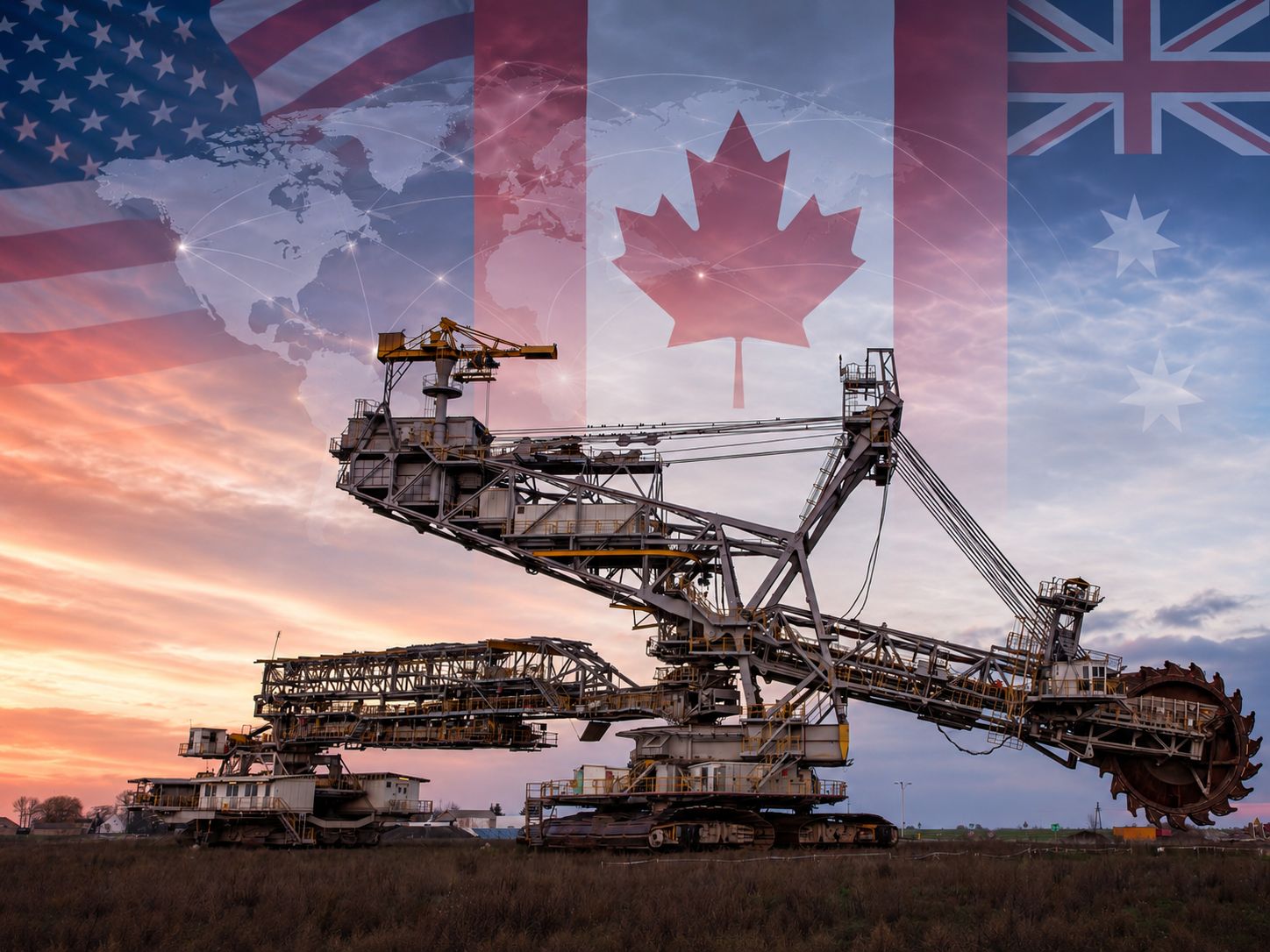
Australia, Canada and the US are in the top five countries globally when it comes to total mining production and each country has long enjoyed significant investment appeal from the other due to comparable political climates, free market synergies and similar industrial and legislative environments.
Long trilaterally integrated, opportunities for mining companies and sector suppliers and contractors remain strong and a new era is being ushered forth courtesy of shifting geo-politics, environmental requirements and AI implementation.
Canada
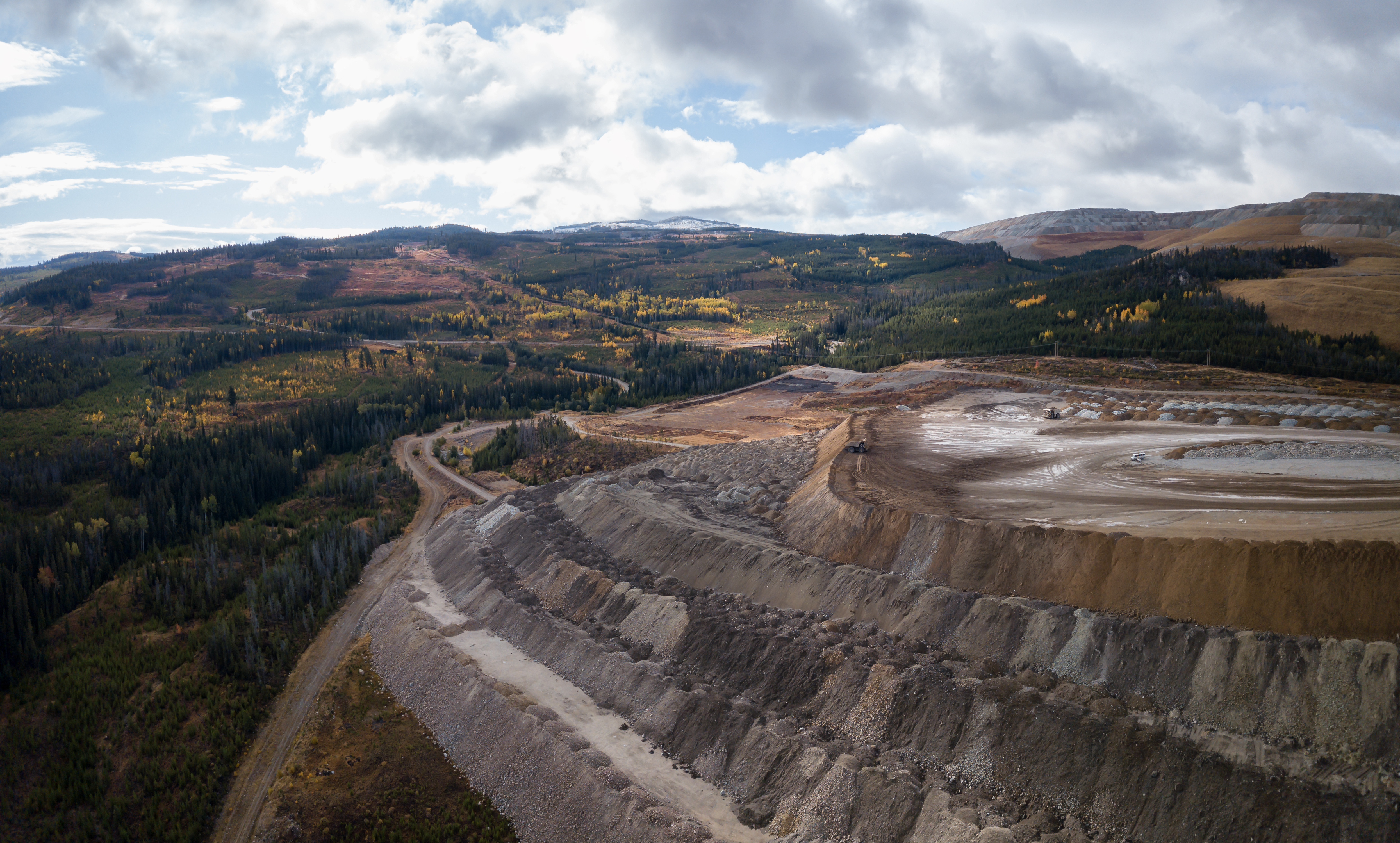
Canada’s mining sector has played a key economic role for the country for centuries and the Great White North continues to be a leading producer of potash, gold, nickel, uranium and more recently, rare earths.
The country produces around sixty metals and minerals and is now the second largest producer of niobium globally and the third largest producer of cadmium and palladium.
Niobium is used in alloys and cadmium in rechargeable batteries. Palladium reduces exhaust emissions in traditional and hybrid vehicles.
Employing almost 500,000 people, the sector is a stable and significant contributor to the country’s GDP and in 2024 its largest export market for minerals and metals was the US.
Common to most mature western markets, some regulatory hurdles are providing a source of frustration in the sector and quicker project approvals are being sought industry-wide.
Nonetheless mining remains critical to the health of Canada’s economy and perhaps more crucially now than ever.
CEO of the Mining Association of Canada, Pierre Gratton affirmed in the organisation’s Mining Story 2026 report earlier this year that mining remains solid, but believes production should be increased and self-sufficiency should be prioritised by the government.
‘…Canada and its allies need to mine and refine more minerals and metals to address our geopolitical vulnerabilities and support the world’s energy transition.
Advancing mining projects is key to diversifying our economy, building resilience against global shocks, and boosting long-term productivity.
Unlocking new projects will expand our industrial base, create high-quality jobs, and reinforce Canada’s role as a global supplier of minerals and metals’, he said.
Australia
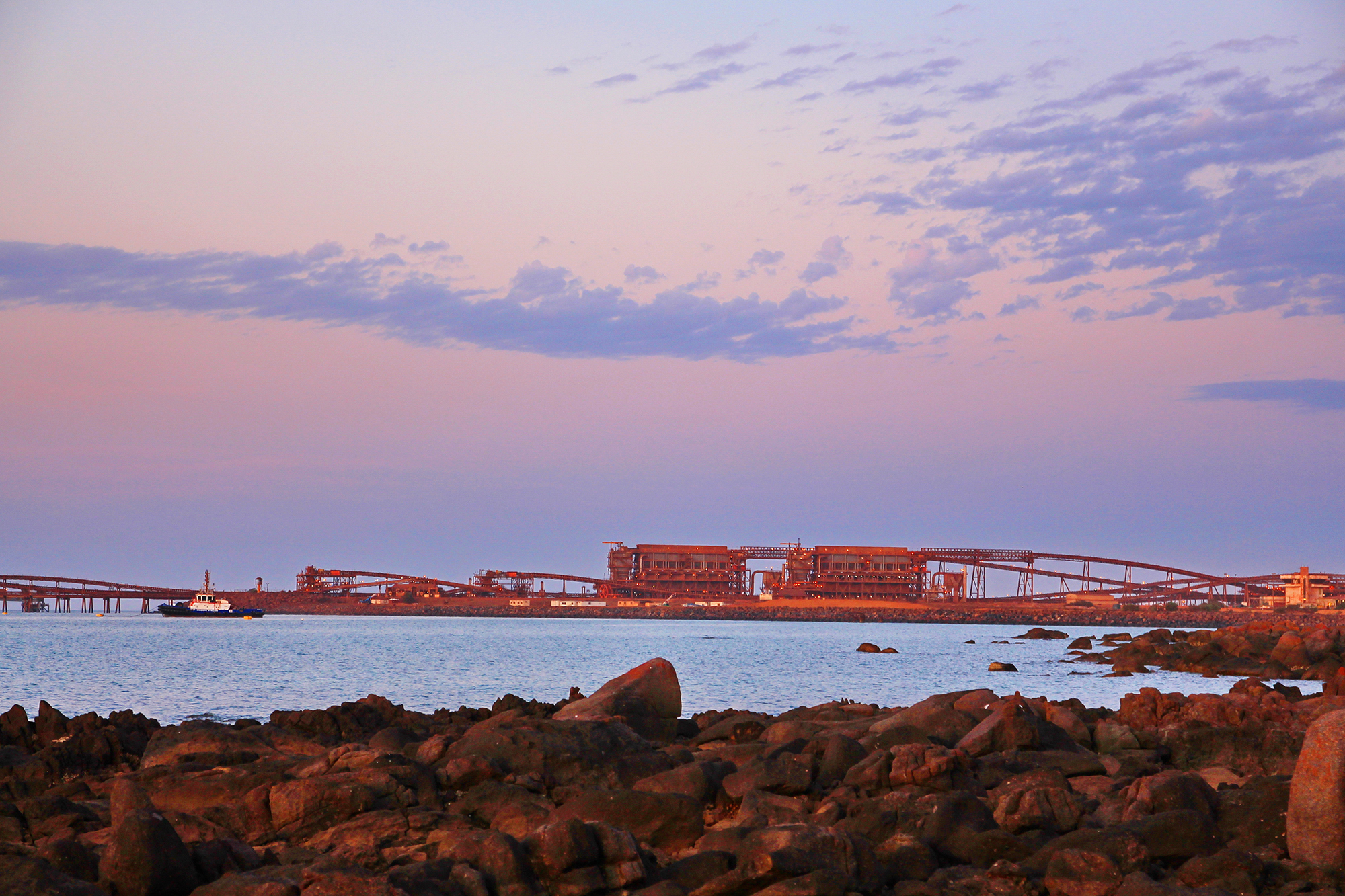
Australia, meanwhile, continues to be a significant world player with its huge Iron ore reserves and its top commodities by volume include gold, bauxite, copper and both thermal and metallurgical coal.
Accounting for around ten per cent of the country’s GDP, export revenue is expected to range between $383B this year and $374B in 2027 as the economy generally continues to grow.
Coal mining is predominantly undertaken in the eastern states of New South Wales and Queensland while Western Australia is the country’s iron ore monolith, producing 864mt in 2024-5 with a sales value of over $120 billion.
Australia has the largest uranium reserves in the world and is in the top five producers globally.
Other mining and mineral operations are spread out across the continent.
CEO of the Minerals Council of Australia, Tania Constable, praised the Australian federal government’s 2026-27 Federal Budget in May, which did not adjust the present tax settings for the mining sector and offered perks that included funding for faster approvals, streamlined project assessment tracks and quicker skills assessments for migrant trade workers.
‘This approach shows the government understands mining’s immense contribution to Australia’s economy, jobs and regional communities.
Backing mining supports national resilience, because a stronger mining sector can make an even bigger contribution to help fund Medicare, education, defence and other vital services and infrastructure’, she said in a statement.
United States
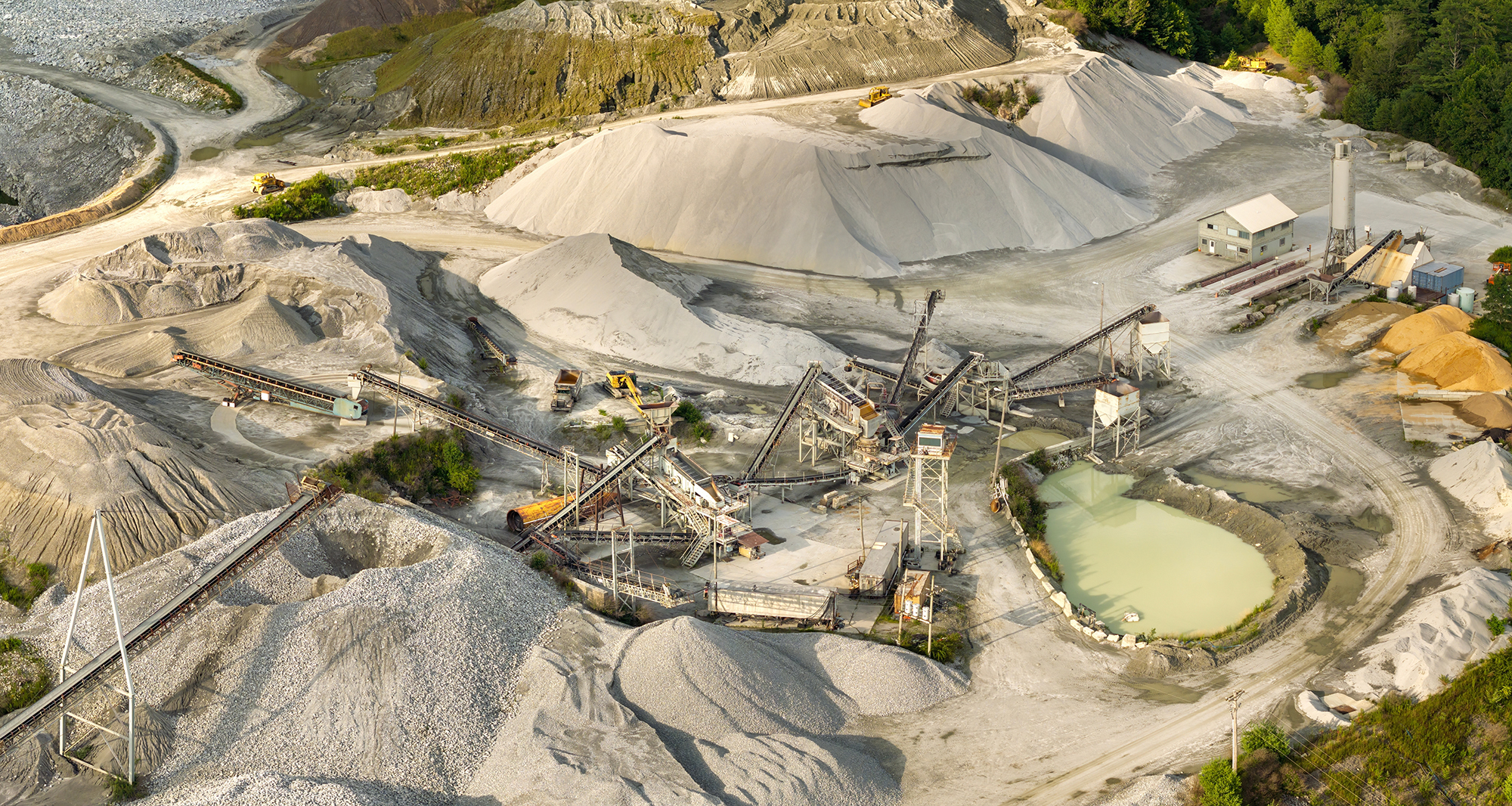
Turning to the US and the country remains one of the top producers of gold and copper globally and crushed stone, cement and construction sand are mainstays of its mining sector.
Although its sector is not as consequential economics-wise as it is to Australia and Canada’s, it is the backbone for manufacturing, infrastructure and defence needs.
The US’s influence on mining worldwide continues to be peerless as a pioneer in drilling; large-scale industrial mining, IT, automation, robotics, AI and production technology.
It is also the largest producer of petroleum in the world and has significant rare earth deposits.
In March, the Trump administration signed an executive order which attempts to address mining permit delays and encourage the sector to become more self-sufficient. The purpose of the order states:
‘The United States possesses vast mineral resources that can create jobs, fuel prosperity, and significantly reduce our reliance on foreign nations.
Transportation, infrastructure, defence capabilities and the next generation of technology rely upon a secure, predictable and affordable supply of minerals.
The United States was once the world’s largest producer of lucrative minerals but overbearing Federal regulation has eroded our Nation’s mineral production.
Our national and economic security are now acutely threatened by our reliance upon hostile foreign powers’ mineral production.
It is imperative for our national security that the United States take immediate action to facilitate domestic mineral production to the maximum possible extent’.
As the geopolitical environment changes and technological innovations continue apace each country’s resources sector will offer new opportunities for mining companies, partners and contractors.
Driven by environmental policies, government incentives and operational cost and focus priorities, these are emerging in a range of areas such as energy and water; transport, logistics and AI and IT.