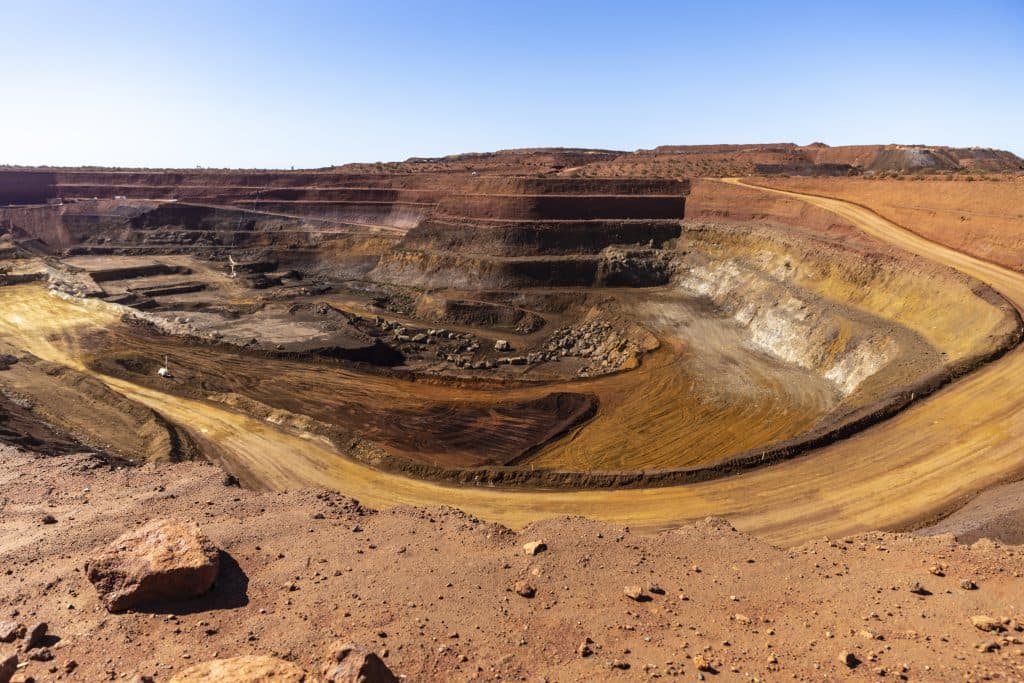
Norway Steps in on Fen as Europe’s Rare Earth Ambitions Move Closer to Mine Development
Norway has taken direct control of planning for the Fen rare earth deposit, accelerating one of Europe’s most significant critical minerals projects. The move follows a much larger resource estimate and signals a sharper official push to turn strategic geology into mine development as Europe seeks non-Chinese rare earth supply.
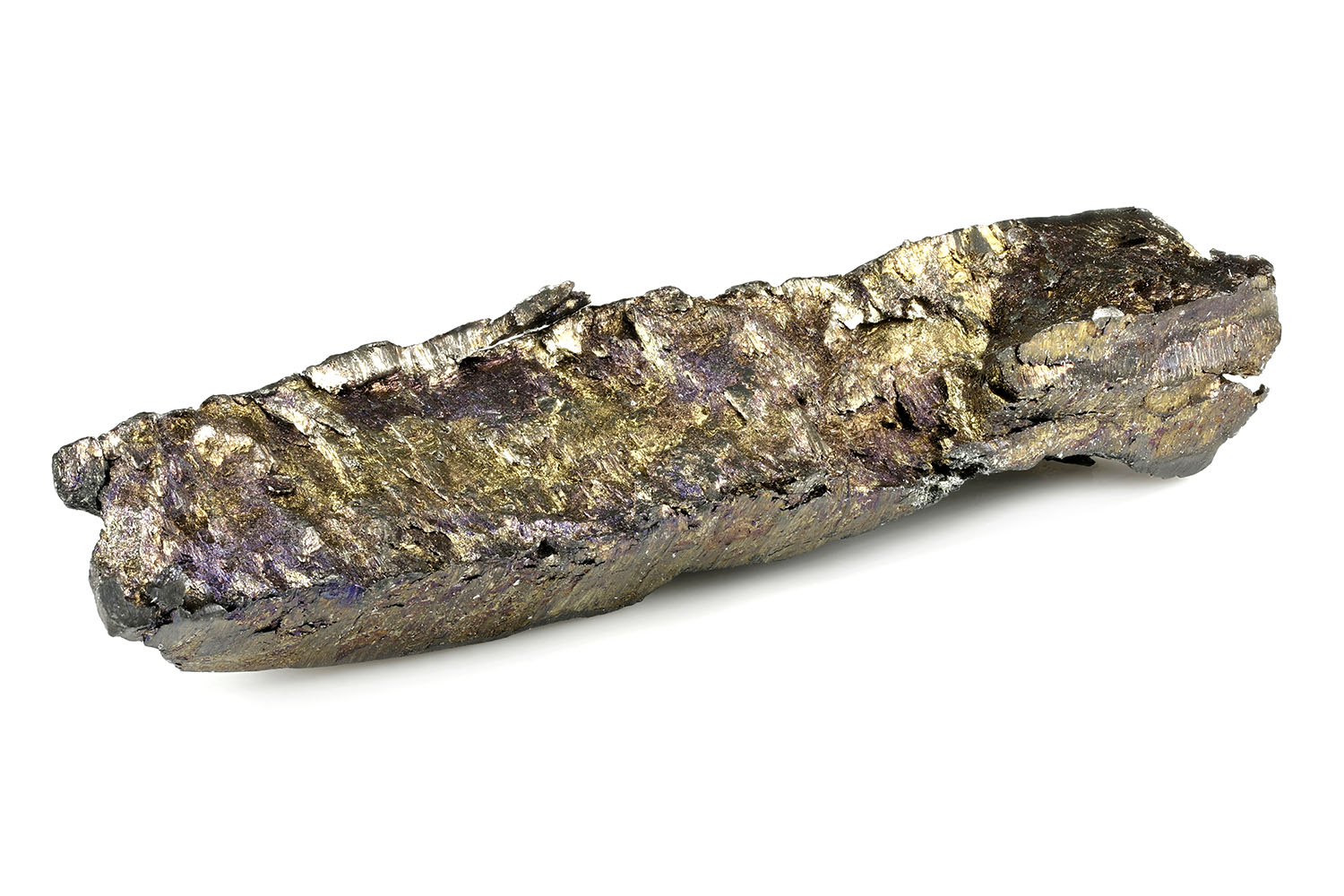
Norway has moved the Fen rare earth deposit into a higher tier of national priority, taking over the planning process for what is widely regarded as Europe’s largest known rare earth deposit.
The decision follows a revised resource estimate that almost doubled Fen’s size to 15.9 million metric tonnes of rare earth oxides and gives the project a stronger political pathway through a development process that had already begun to draw local land-use concerns.
The significance of the intervention lies in what Fen represents beyond Norway itself. Europe has no operating rare earth mine, yet demand for magnet materials continues to build across electric vehicles, wind energy, electronics and defence.
At Fen, about 19 per cent of the deposit is reported to consist of neodymium and praseodymium, giving the project relevance not only as a large resource but as a potential future source of the rare earth elements that matter most to permanent magnet supply chains.
Rare Earths Norway, the project developer, is targeting first production in late 2031 and output of about 800 tonnes of NdPr by 2032, which would cover roughly 5 per cent of projected European Union demand. That is not enough to transform the market on its own but it is large enough to shift the conversation from resource dependency to the practical question of how much European supply can be built inside Europe’s own jurisdictional boundaries.
What makes the story more important is that the state has now signalled that scale alone is not enough. Fen has effectively moved from being a large mineral project to being a project with national strategic status.
For mining investors and suppliers, that changes the emphasis. The next phase is no longer about whether the deposit matters. It is about whether Norway and Europe can move a rare earth asset through planning, social licence and development in a timeframe that matches their industrial ambitions.
Associated companies

Related Articles
State Capital Dominates Global Mining as Sovereign Wealth Replaces Private Investment
USA Rare Earth’s Serra Verde Acquisition Sharpens the Push into Heavy Rare Earth Supply
Agnico Moves to Build a Larger Finnish Gold Hub around Kittilä and Ikkari