White Gold: How Salt Fields Are Powering the Global Energy Transition
Salt production, one of the world’s oldest extractive industries, is undergoing a significant transformation as global demand for critical minerals reshapes the value of brine-based resources.
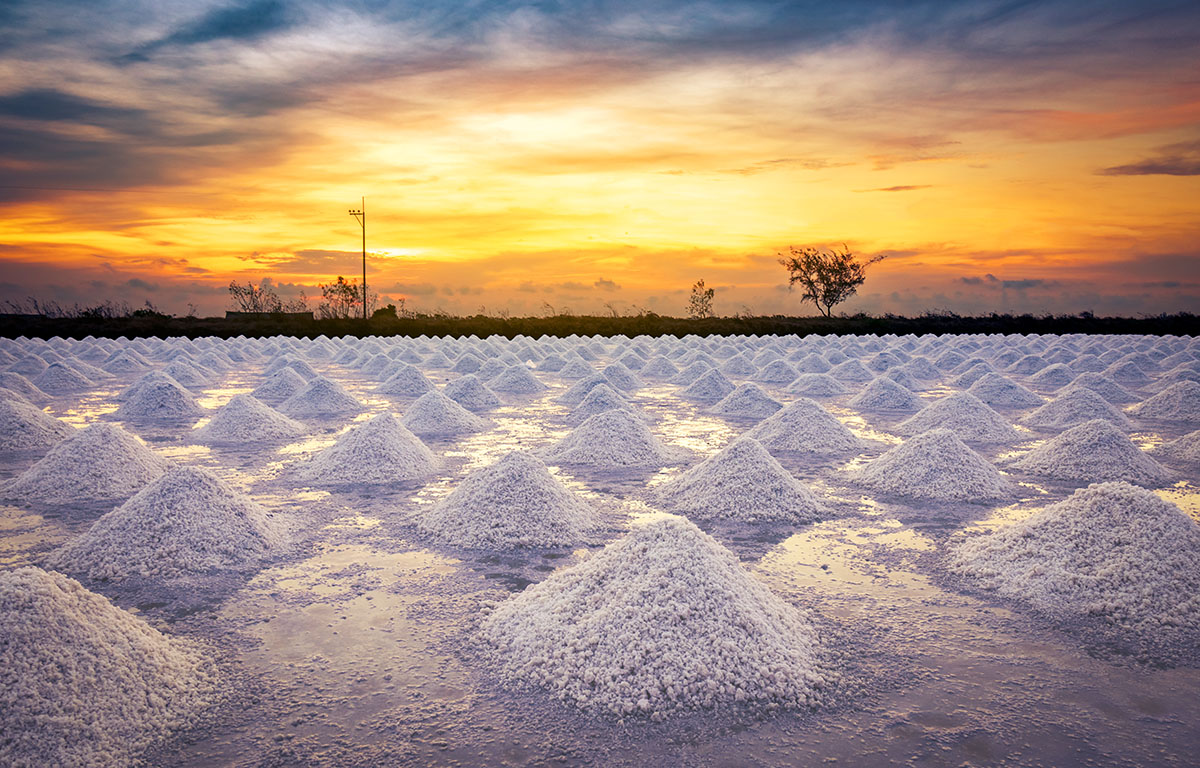
From Salt to Lithium: How Evaporation Ponds Are Powering the Global Energy Transition.
Salt production, one of the world’s oldest extractive industries, is undergoing a significant transformation as global demand for critical minerals reshapes the value of brine-based resources. What were once low-margin operations producing sodium chloride for food and industrial use are increasingly being repositioned as strategic assets in the supply chains for lithium, potash and specialty chemicals.
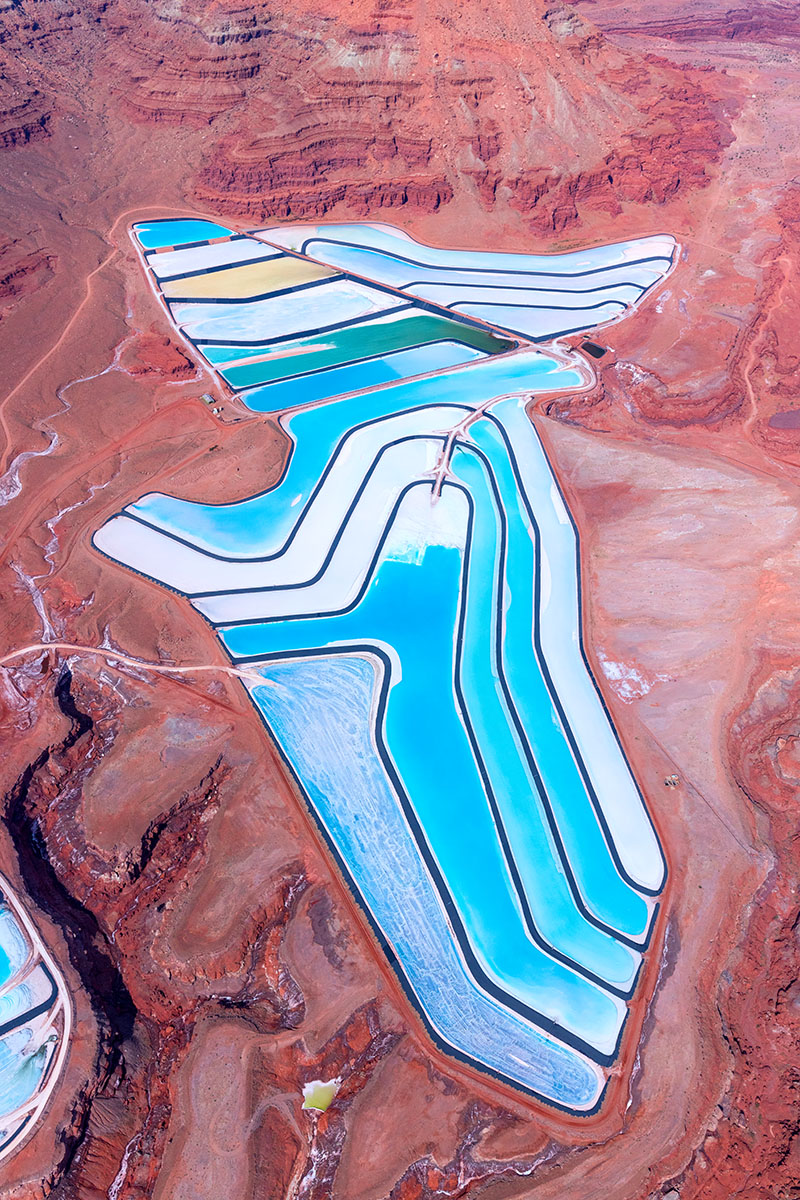
At the centre of this shift are large-scale evaporation pond systems - visually striking landscapes of crystallised salt and reflective brine - similar to those depicted on this issue’s front cover. These operations are now playing a dual role: supplying traditional salt markets while also supporting the extraction of high-value minerals essential to modern industry.
A Global Industry at Scale
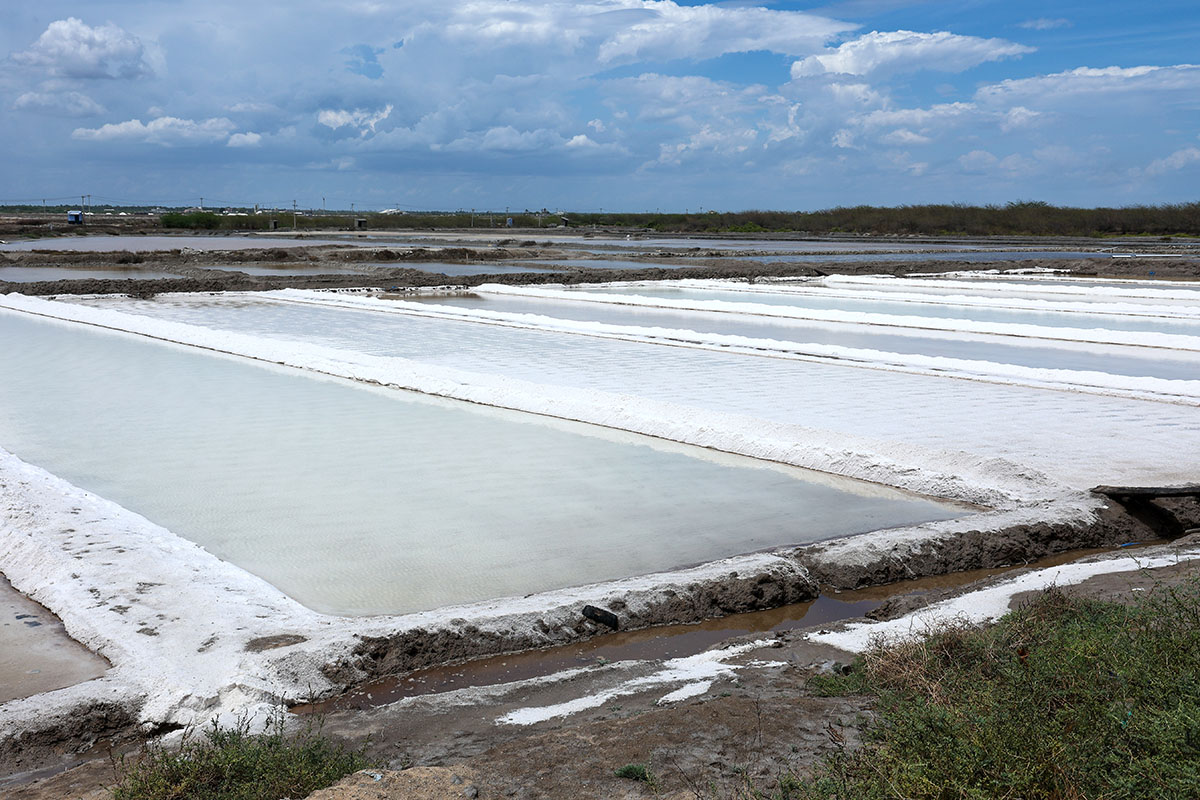
The global salt market remains substantial, with annual production exceeding 300 million tonnes, driven primarily by demand from chemical manufacturing, de-icing and food processing. Major producers include K+S Aktiengesellschaft(ETR: SDF), headquartered in Germany, and Tata Chemicals (NSE: TATACHEM), which operates extensive solar saltworks in Gujarat, India.
Tata's production exceeds 1 million tonnes of salt annually, supplying both domestic and export markets. The operation uses solar evaporation techniques, relying on controlled pond systems to crystallise salt from seawater - a process that is energy efficient and scalable.
While these traditional markets remain stable, the real growth story lies in the increasing integration of salt production with mineral extraction from brines.
Integrated Salt and Lithium Production in Argentina
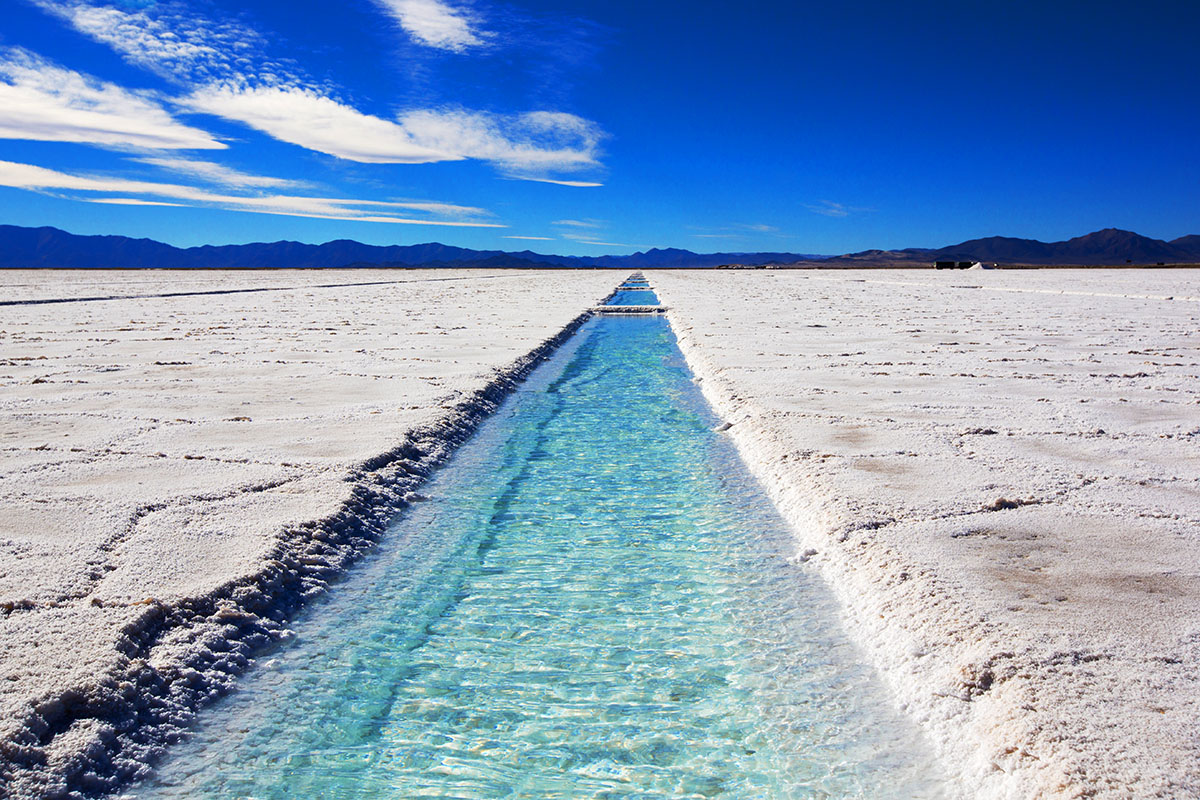
In South America’s “Lithium Triangle,” evaporation ponds are central to lithium production. One notable operation is the Salar del Hombre Muerto in Argentina, operated by Arcadium Lithium (delisted after acquisition and now 100% owned by parent company Rio Tinto (ASX:RIO)).
Here, lithium-rich brine is pumped to the surface and distributed across a series of evaporation ponds, where solar energy concentrates the lithium content over time. The process ultimately produces lithium carbonate used in battery manufacturing.
Production capacity at this site has been expanded in recent years, with output measured in tens of thousands of tonnes annually. Importantly, sodium chloride and other salts are also produced as by-products, demonstrating the multi-commodity potential of these systems.
This integration of traditional salt production with high-value mineral extraction is reshaping how operators evaluate brine assets.
Diversification into Potash and Fertiliser Markets
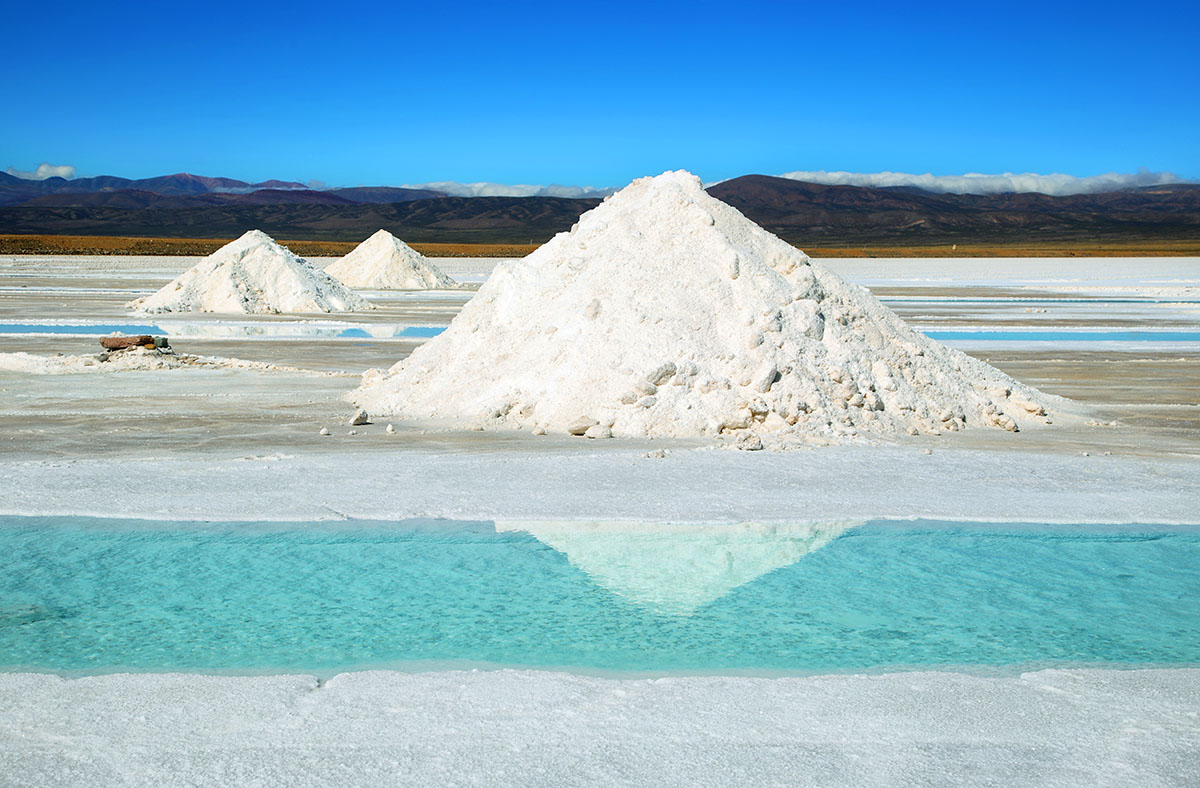
Salt-based brine operations are also increasingly linked to fertiliser production, particularly potash. In Europe, ICL Group(NYSE: ICL, TASE: ICL) operates extensive evaporation facilities at the Dead Sea.
These operations produce potash and industrial salts through large-scale evaporation systems. Annual potash production runs into several million tonnes, supplying global agricultural markets.
The Dead Sea facilities highlight the efficiency of integrated brine processing systems, where multiple products are extracted from a single resource stream. This model is increasingly being replicated globally, particularly in regions with favourable climatic conditions.
Technology and Process Optimisation
Modern salt and brine operations are becoming increasingly sophisticated, incorporating advanced monitoring and control systems to optimise evaporation rates, brine chemistry and product quality.
Operators are investing in:
Real-time brine monitoring systems
Automated flow control between ponds
Satellite and drone-based evaporation tracking
These technologies allow for more precise control of crystallisation processes, improving yield and reducing variability.
In Australia, large-scale solar salt operations in Western Australia have adopted similar approaches to maintain consistent production levels despite variable climatic conditions.
Climate and Environmental Pressures
Despite their efficiency, evaporation-based operations are highly sensitive to environmental conditions. Changes in rainfall, temperature and evaporation rates can significantly impact production.
For example, excessive rainfall can dilute brine concentrations, delaying crystallisation and reducing output. Conversely, higher temperatures can accelerate evaporation but may also introduce operational challenges related to brine management.
Operators are responding by improving pond design, incorporating better drainage systems and using predictive environmental modelling to optimise production schedules.
Environmental considerations are also becoming more prominent, particularly regarding water use and land management. Companies are increasingly required to demonstrate sustainable practices, particularly in sensitive environments such as salt lakes and coastal regions.
Market Trends and Strategic Importance
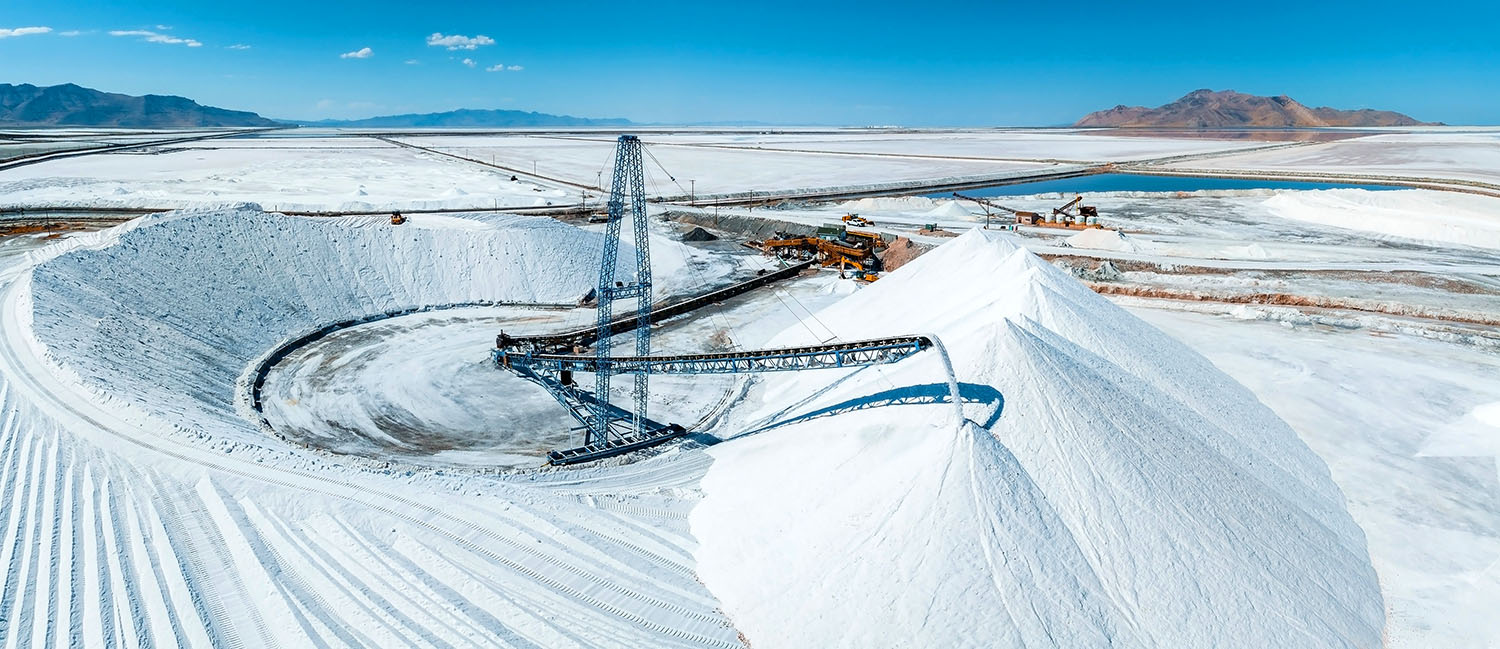
The convergence of salt production and critical mineral extraction is creating a new strategic dimension for the industry. Lithium demand, driven by electric vehicles and energy storage, is expected to continue growing strongly, increasing the value of brine-based resources.
At the same time, traditional salt demand remains stable, supported by industrial and agricultural sectors. This dual demand profile provides a degree of resilience for operators, allowing them to balance commodity cycles.
For investors, the appeal lies in the ability of these operations to generate multiple revenue streams from a single asset. For mining companies, it represents an opportunity to leverage existing expertise in large-scale material handling and processing.
A New Era for an Ancient Industry
Salt production may be one of the oldest industries in human history, but it is rapidly becoming one of the most strategically important. The integration of traditional salt operations with critical mineral extraction is transforming how these assets are valued and developed.
For mining executives and investors, the message is clear: brine-based resources are no longer secondary assets. They are central to the future of energy, agriculture and industrial production.
As the global economy continues to evolve, the humble salt pan - once a symbol of simplicity - has become a cornerstone of modern resource strategy.
Associated companies
K+S AktiengesellschaftTata ChemicalsLivent CorporationICL GroupRio Tinto (ASX:RIO)Arcadium Lithium (ASX:LTM, NYSE:ALTM)

Opportunities for Suppliers and Contractors
Opportunities for Contractors and Suppliers
The evolution of salt and brine operations is creating new opportunities across the supply chain. Key areas include: • Evaporation pond construction and lining systems • Brine pumping and transfer infrastructure • Chemical processing plants for lithium and potash • Environmental monitoring and compliance systems • Automation and digital control platforms As operations become more complex, demand is increasing for suppliers who can deliver integrated solutions that improve efficiency and reduce environmental impact.