The Weekly Macro Commodity Wrap: Copper Surges on Supply Deficits as Nickel Market Restructures
The first week of April 2026 delivered intense volatility across global commodity markets. While gold faced significant turbulence amid shifting macroeconomic sentiment, copper surged on severe supply constraints and iron ore stabilised. Meanwhile, the global nickel sector continues its painful structural bifurcation.
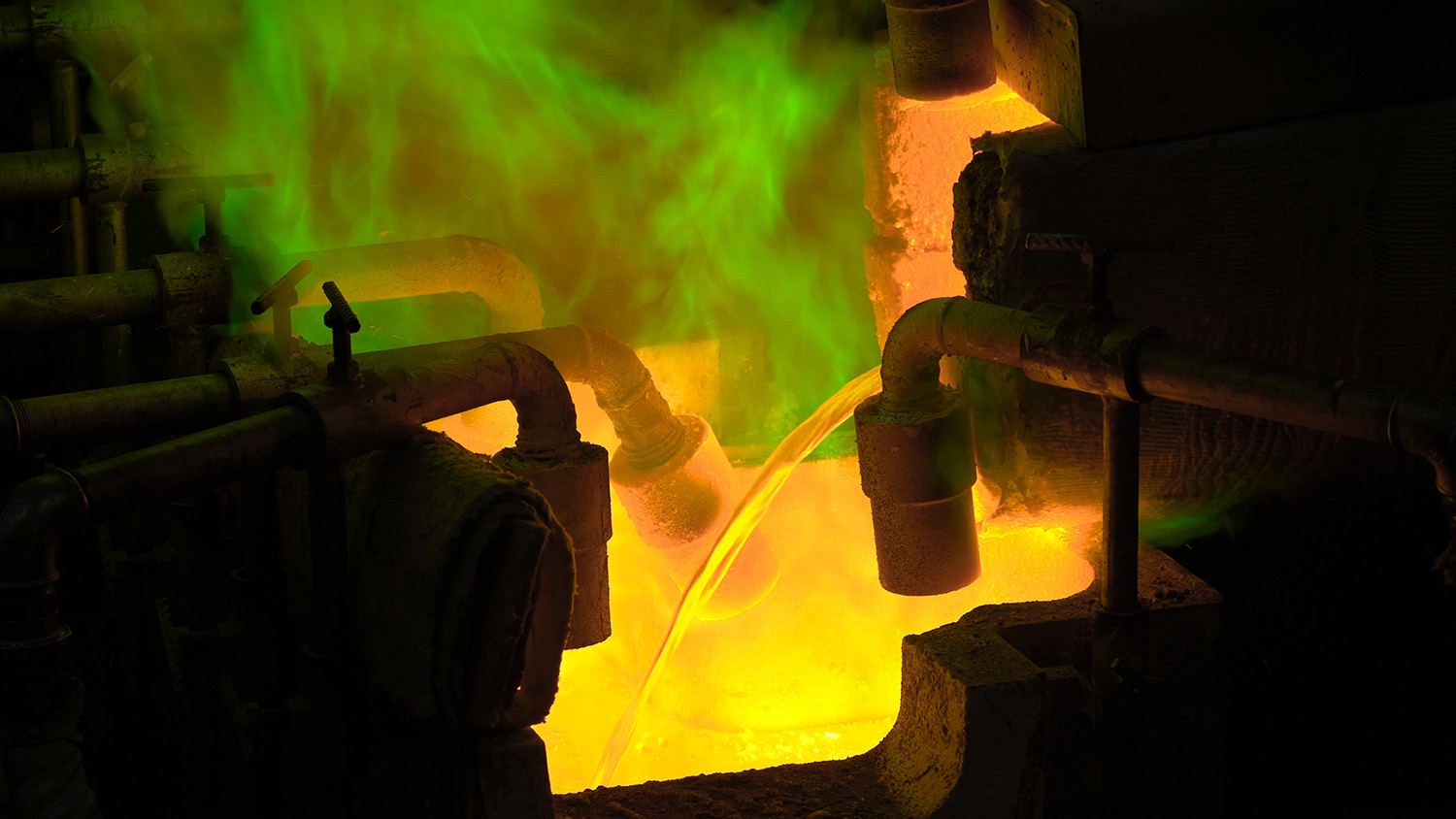
The Weekly Macro Commodity Wrap
The global mining sector witnessed a turbulent start to the second quarter of 2026. As trading closed for the first week of April, broad macroeconomic forces heavily dictated base and precious metal pricing. From renewed Chinese stimulus efforts to aggressive central bank positioning and structural supply bottlenecks, the underlying fundamentals of the market are shifting rapidly. Here is your definitive weekly breakdown of the top performing and worst performing commodities.
Copper: The Undisputed Top Performer
Copper emerged as the clear victor this week, posting significant week on week gains. The red metal surged past $9900 per metric tonne, driven by an acute realisation of structural supply deficits. While energy transition demand remains a constant underlying driver, the immediate price action was catalysed by severe supply side constraints across South America.
Recent disruptions at major concentrators in Chile and Peru have forced global smelters to aggressively bid for available concentrate. This dynamic has driven treatment and refining charges to historic lows, severely squeezing smelter profit margins. Furthermore, the lack of new tier one copper discoveries entering the development pipeline over the last decade guarantees that this supply deficit will persist. For the foreseeable future, copper remains the ultimate bellwether for the electrification thematic.
Gold: Historic Volatility Shakes Safe Haven Status

Gold experienced some of the most extreme intraday volatility seen in recent years. After a blistering multi-year rally, the precious metal suffered a sharp technical pullback this week, dropping roughly 4.5 percent as investors digested shifting United States Federal Reserve interest rate expectations. Traditionally priced in ounces, gold breached the equivalent of $74,000 per kilogram before retracing.
Despite this short-term weakness, the macro foundation for gold remains exceptionally strong. Sustained accumulation by central banks, particularly across Asia and the Middle East, continues to provide a massive floor under the gold price. These sovereign entities are actively diversifying their massive foreign exchange reserves away from the United States dollar, ensuring that physical demand for gold bars and minted coins remains highly elevated regardless of short-term interest rate fluctuations.
Iron Ore: A Fragile Recovery
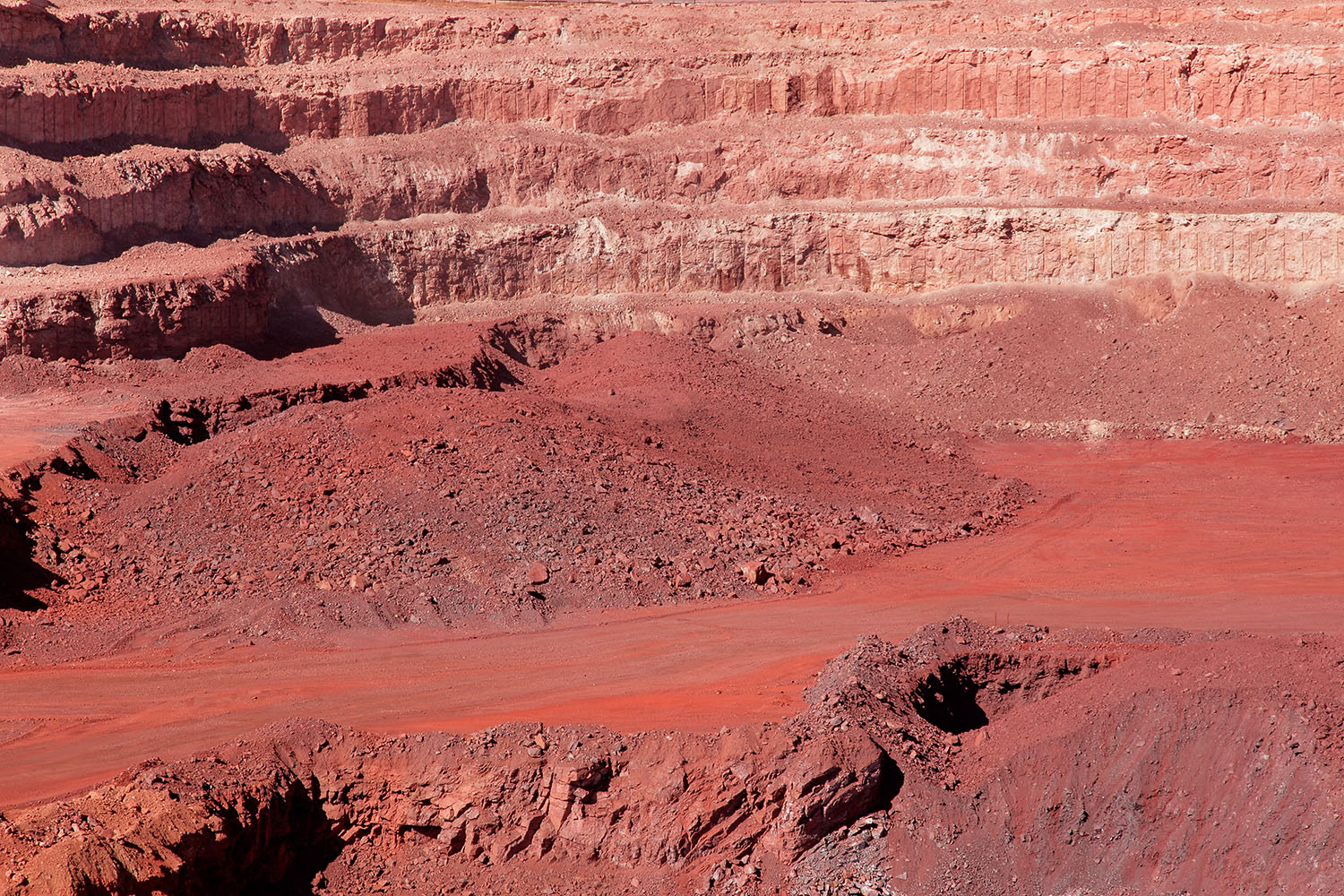
Iron ore provided a surprising bright spot, recovering slightly to sit near $106 per metric tonne. This price stabilisation follows weeks of intense pressure driven by fears of an escalating tariff skirmish between the United States and China.
Recent infrastructure stimulus announcements from Beijing have provided enough short-term confidence to support bulk commodity pricing. However, port side inventories in China remain bloated, sitting well above 130 million metric tonnes.
While downstream indicators in the Chinese property sector remain broadly weak, the immediate panic appears to have subsided.
This offers a temporary reprieve for major Australian bulk miners operating in the Pilbara region, allowing them to maintain highly profitable margins despite the broader macroeconomic uncertainty.
Nickel: A Market Fundamentally Restructured
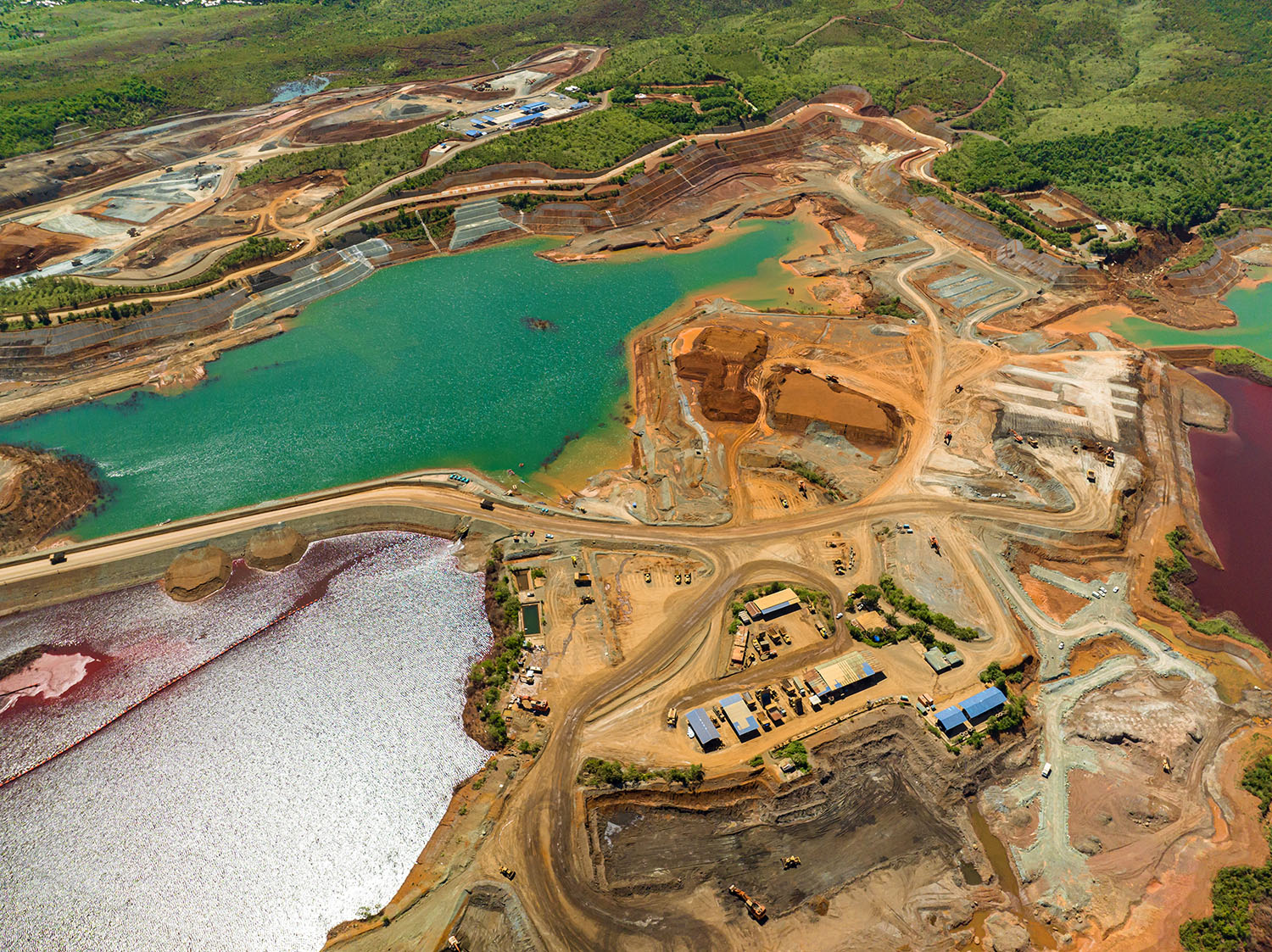
The global nickel market remains a brutal environment for traditional sulphide producers, with prices hovering near $17000 per metric tonne. The sector has been fundamentally rewired by the sheer volume of supply emerging from Indonesia. Backed heavily by Chinese capital, Indonesian operators have successfully deployed high pressure acid leach technology to convert immense laterite ore bodies into battery grade nickel products.
This unprecedented flood of cheap supply has forced numerous high cost Australian and Canadian underground operations into care and maintenance. In response to this structural shift, Western producers are aggressively lobbying the London Metal Exchange for a bifurcated pricing model. They argue that a green premium is essential for nickel extracted under stringent environmental and labour standards, contrasting their product with the carbon intensive laterite processing occurring in Southeast Asia.
Lithium: Seeking a Bottom

The lithium complex remains historically depressed, yet this week showed early signs of market stabilisation. Spodumene concentrate pricing traded largely sideways around $1000 per metric tonne, halting the aggressive downward trajectory that defined the previous quarter.
The current macroeconomic narrative for battery metals has shifted from aggressive expansion toward rigorous capital discipline. With several high-cost producers globally being forced into care and maintenance, the market is finally beginning to clear excess inventory.
Major Australian operators are now focusing entirely on operational efficiency and resource recovery, ensuring they remain robustly profitable at the lower end of the global cost curve while they wait for the next demand cycle to materialise.