Rhodes Ridge Iron Ore Project
The Rhodes Ridge Iron Ore Project in the Pilbara is emerging as one of the most significant future iron ore developments in Australia. Extensive exploration and feasibility work over many years has confirmed a resource base measured in billions of tonnes of iron ore.
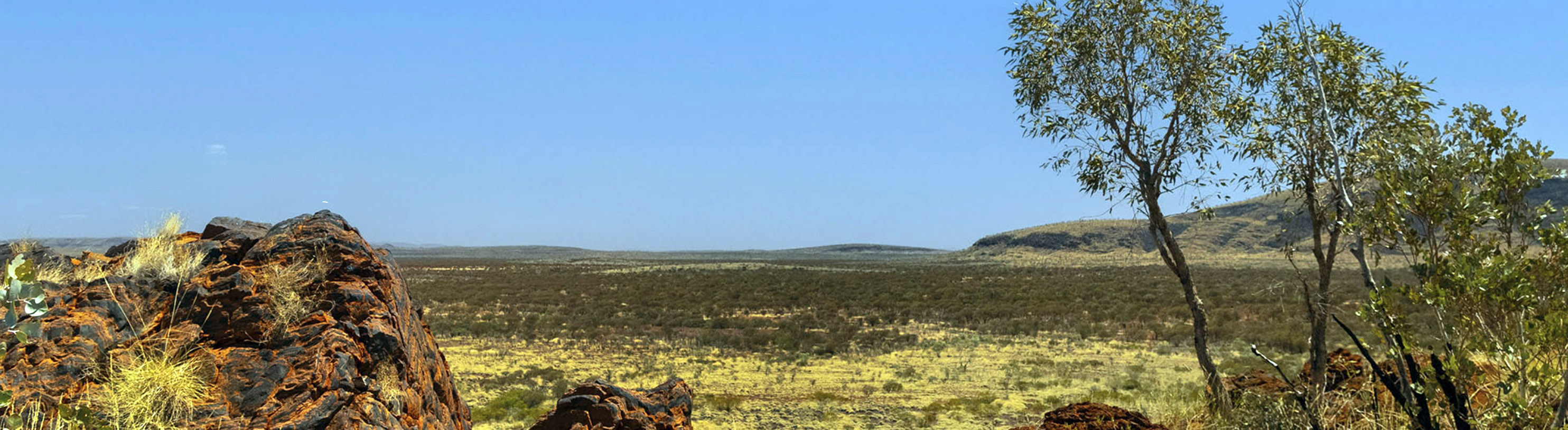
The Rhodes Ridge Iron Ore Project in the Pilbara is emerging as one of the most significant future iron ore developments in Australia. Located around 40 kilometres northwest of Newman in Western Australia’s prolific Pilbara region, the deposit is widely recognised as one of the largest undeveloped iron ore resources in the country. With demand for high-grade iron ore continuing to underpin global steel production, the project is increasingly viewed as a cornerstone of long-term supply from the region.
Current Ownership and Resource Position
The Rhodes Ridge deposit is jointly owned by Rio Tinto, Mitsui & Co. and Nippon Steel through a long-standing partnership structure. Rio Tinto is the majority participant and project operator, while the Japanese partners hold minority stakes reflecting decades of collaboration between Australia’s iron ore sector and Japanese steelmakers.
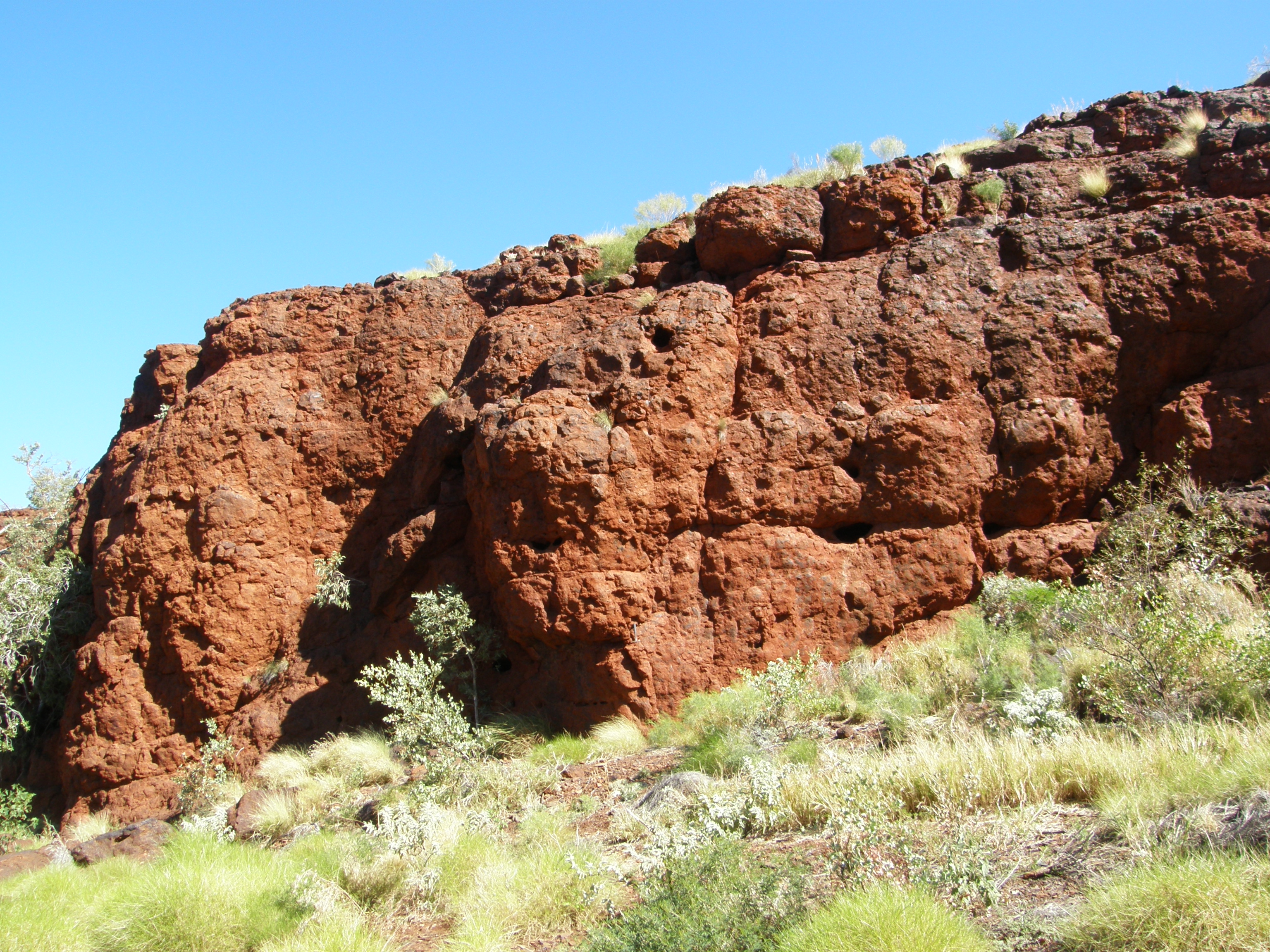
Although Rhodes Ridge has not yet entered commercial production, extensive exploration and feasibility work over many years has confirmed a resource base measured in billions of tonnes of iron ore. The deposit contains high-grade ore bodies suitable for large-scale open-pit mining and is strategically located within trucking distance of Rio Tinto’s existing Pilbara rail and port network.
At present, the project remains in the study and planning phase as the partners finalise technical and commercial development options. However, strong long-term demand forecasts for steelmaking raw materials have accelerated the timeline for advancing the project toward production.
Expansion and Development Plans
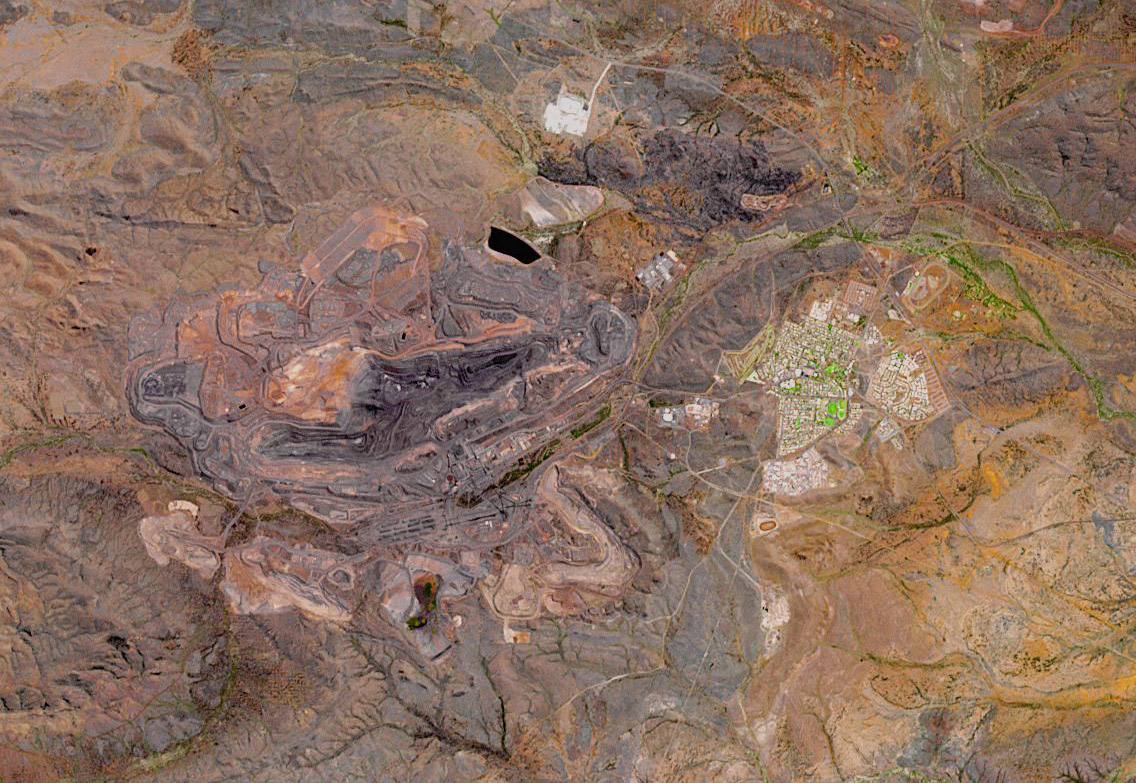
The Rhodes Ridge development is expected to form part of Rio Tinto’s broader strategy to sustain iron ore production across the Pilbara as existing mines gradually deplete. Early planning indicates the project could ultimately deliver up to 40 million tonnes of iron ore per year, making it comparable in scale to many of the major Pilbara operations.
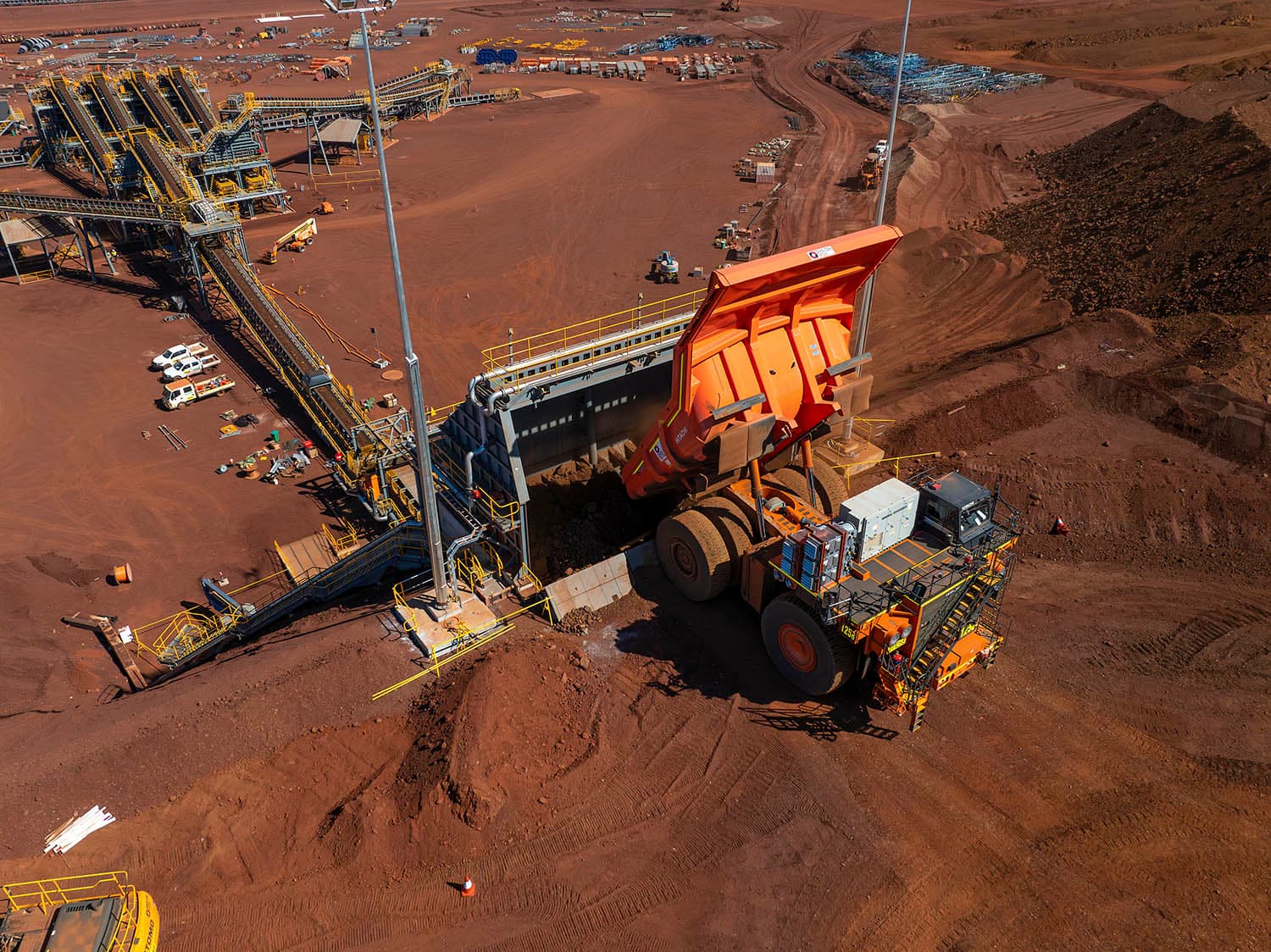
The development concept centres on establishing a large open-pit mining operation supported by crushing, screening and processing infrastructure. Ore would then be transported via haul roads and rail to export facilities on the Pilbara coast, integrating with Rio Tinto’s existing logistics network.
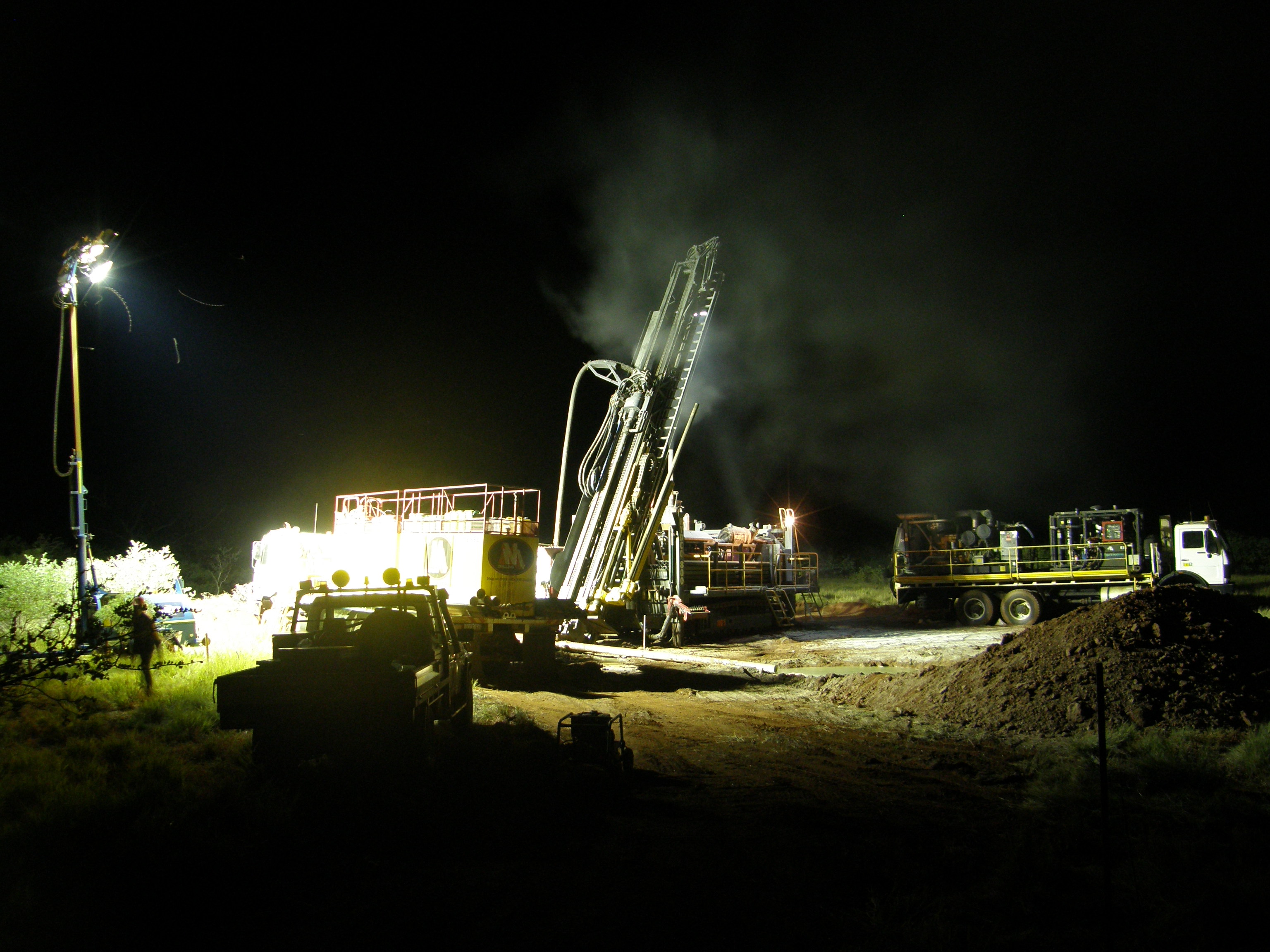
Current studies are focused on optimising mine design, infrastructure placement, environmental approvals and the integration of modern mining technologies such as autonomous haulage systems and advanced ore-sorting processes. The development is also expected to include significant supporting infrastructure, including power supply, water management systems, worker accommodation and site services.
If approved, construction could begin in the latter part of the decade, with production targeted around 2030. The project is likely to represent several billion dollars in capital investment and generate hundreds of construction jobs as well as long-term operational roles.
Strategic Importance for Rio's Partners
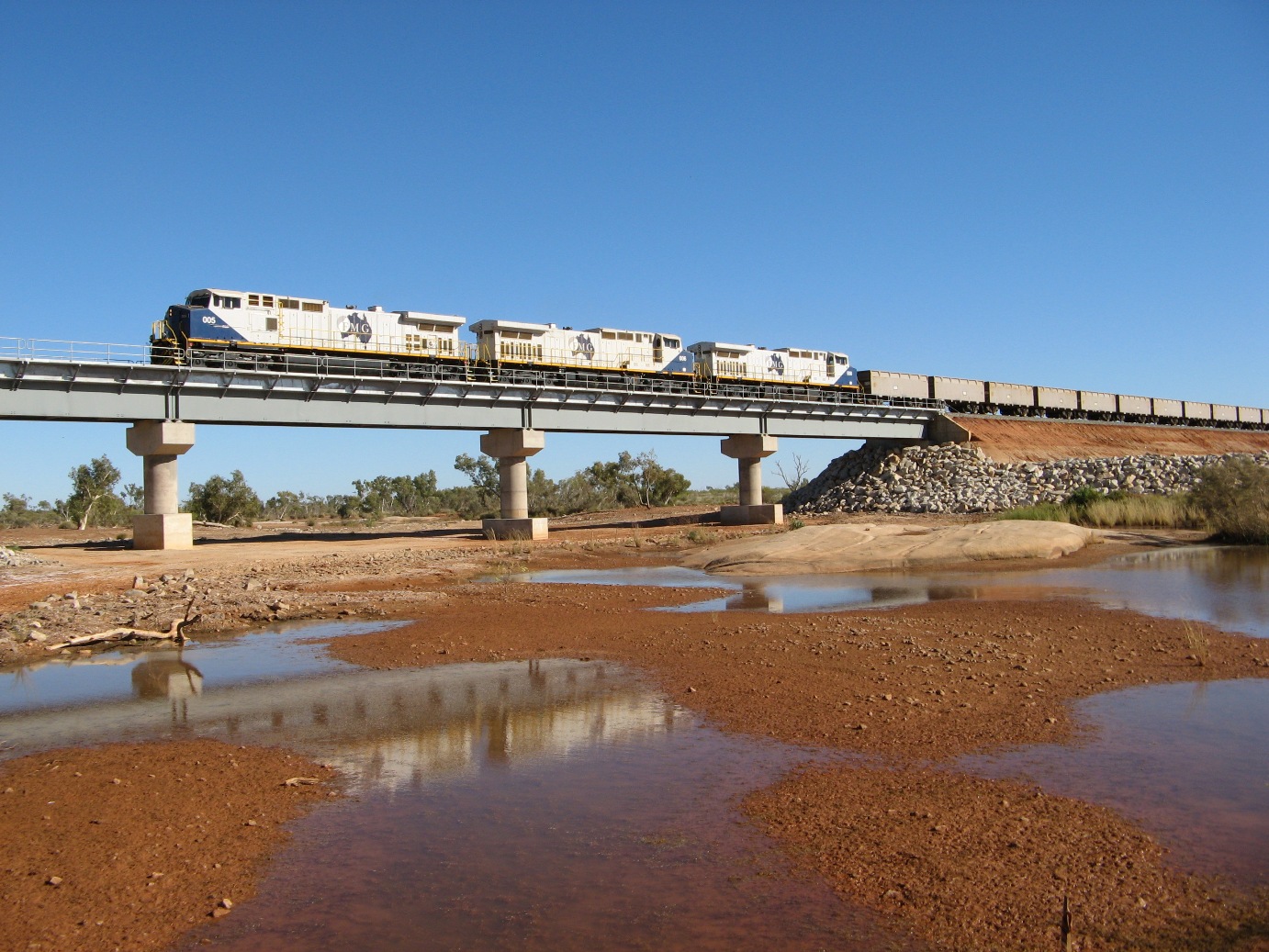
For Rio Tinto, Rhodes Ridge is expected to play a crucial role in maintaining its long-term iron ore output from the Pilbara. The company currently produces more than 300 million tonnes of iron ore annually from its Western Australian operations and replacement projects such as Rhodes Ridge are essential to sustaining this production level as mature mines approach the end of their life.
The project also strengthens Rio Tinto’s long-standing relationships with its Japanese partners. Both Mitsui and Nippon Steel have historically relied on Australian iron ore supply to support their steelmaking operations and continued investment in Pilbara projects helps ensure stable access to high-quality raw materials.
Beyond its commercial importance, the project is expected to contribute significantly to Western Australia’s economy through royalties, employment and supply chain activity. The Pilbara region already hosts some of the world’s largest iron ore operations, and Rhodes Ridge would further reinforce its position as a global centre of iron ore production.
Looking Ahead
While still progressing through feasibility and planning stages, the Rhodes Ridge Iron Ore Project represents one of the most important future developments in Australia’s mining sector. As the project moves closer to a final investment decision, it is expected to unlock a wave of contracting and supply opportunities across the mining industry.
For suppliers, engineering firms and mining services providers, Rhodes Ridge offers the prospect of participating in a large-scale project that could help shape the next generation of Pilbara iron ore production.
Associated companies

Related Articles
Opportunities for Suppliers and Contractors
Opportunities for Suppliers and Contractors
The scale of the Rhodes Ridge development is expected to generate substantial opportunities for suppliers and contractors across the mining supply chain. During the construction phase, large civil and engineering contractors are likely to be engaged for major works including earthmoving, site preparation, haul road construction, crushing plant installation and infrastructure development. Engineering procurement and construction management (EPCM) packages may also be released covering processing facilities, power generation and water infrastructure. Mining services contractors will have opportunities in areas such as drill and blast operations, load-and-haul mining and equipment maintenance. Suppliers of heavy mining equipment, including haul trucks, excavators and drilling rigs, are also expected to benefit from procurement associated with establishing the new operation. A wide range of supporting services will also be required. These include camp construction and management, transport and logistics, environmental monitoring, safety systems, communications infrastructure and workforce services. Given the size of the project, local and regional businesses are likely to play an important role in supporting both construction and ongoing operations.