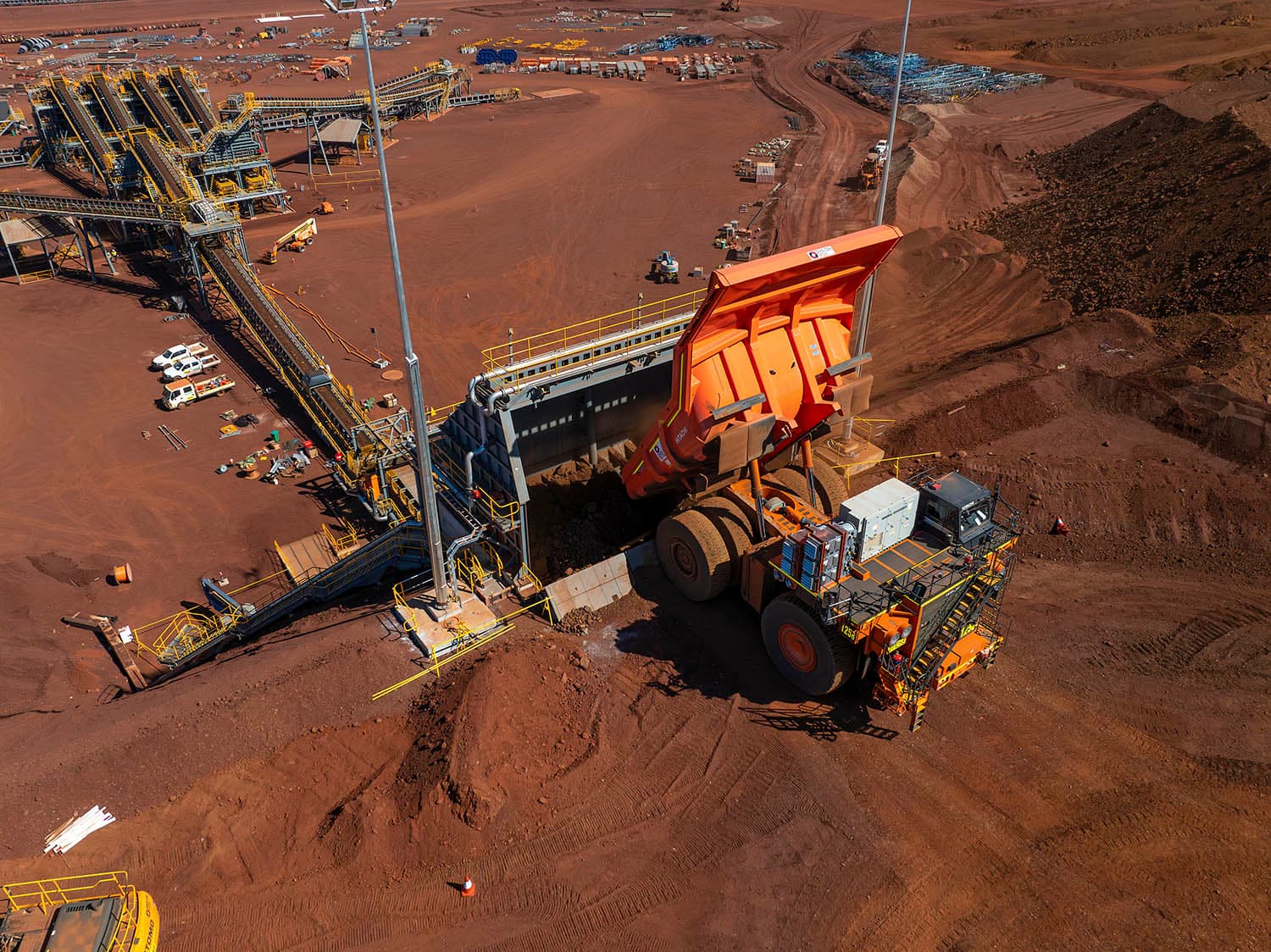
Pilbara Port Throughput Surge Drives Expansion Focus Across Western Australia
Western Australia’s Pilbara ports continue to operate at near-capacity levels, with iron ore exports reaching 55.9 million tonnes in February 2026, reinforcing the region’s critical role in global bulk commodity supply chains.
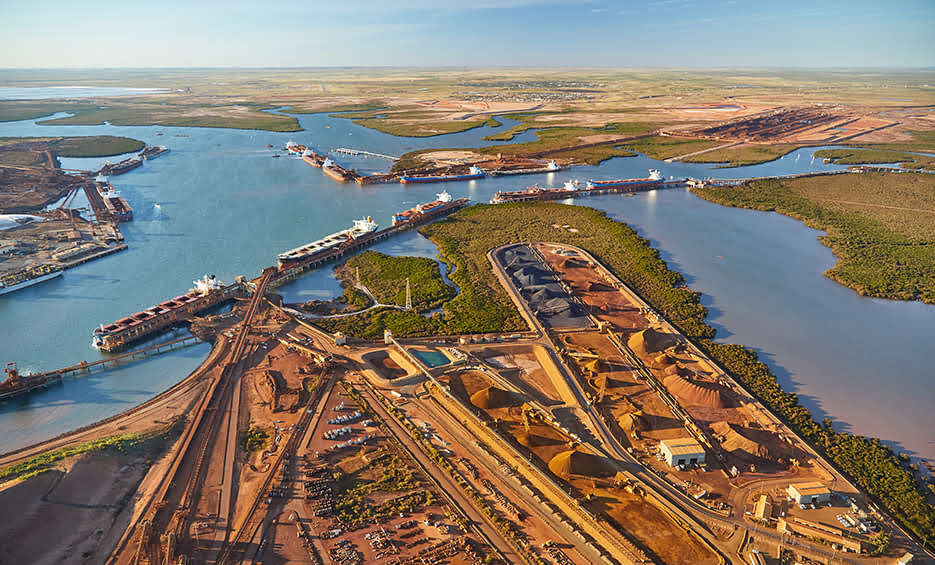
The throughput figure reflects sustained demand for Australian iron ore and is placing renewed focus on port capacity expansions and infrastructure optimisation across the region.
The Port of Port Hedland, operated by Pilbara Ports Authority, remains the world’s largest bulk export port, handling the majority of these volumes. The February total aligns with broader trends of strong export performance despite weather disruptions earlier in the quarter. Ongoing debottlenecking initiatives, berth upgrades and channel management improvements are enabling the port to maintain high utilisation rates while accommodating larger vessels and increased shipping frequency.
Major producers including BHP, Rio Tinto and Fortescue Metals Group are continuing to invest in integrated mine-to-port logistics systems to support these volumes. This includes upgrades to rail infrastructure, stockyard management systems and shiploading facilities designed to reduce cycle times and improve throughput efficiency.
The increase in demand for Australian iron ore is being driven primarily by continued steel production requirements across Asia. China remains the dominant consumer, supported by infrastructure stimulus measures and ongoing urban development, while India and Southeast Asian economies are emerging as increasingly important markets. India in particular is expanding its steelmaking capacity, creating additional demand for high-quality imported ore to supplement domestic supply.
From a technical perspective, port expansions are not limited to physical infrastructure. Digitalisation is playing a growing role, with advanced scheduling systems, real-time vessel tracking and predictive maintenance of port equipment contributing to improved operational performance. These systems are critical in managing the complexity of high-volume export operations while minimising delays and demurrage costs.
For contractors and suppliers, the continued expansion and optimisation of Pilbara port infrastructure presents opportunities across marine engineering, bulk materials handling, maintenance services and digital systems integration. As global demand for iron ore remains strong, the Pilbara’s port network will continue to be a focal point for investment and operational innovation within Australia’s mining sector.
Associated companies