Oyu Tolgoi Underground Expansion Advances Under Rio Tinto as Global Copper Demand Intensifies
The Oyu Tolgoi copper-gold mine in Mongolia continues advancing its underground expansion under Rio Tinto’s control, positioning it as one of the world’s most significant future copper producers. Operated by Oyu Tolgoi LLC, the project is expected to deliver over 500,000 tonnes of copper annually at peak production. As global demand for copper strengthens in 2026, the operation highlights the technical complexity and strategic importance of large-scale underground mining. With ongoing development and ramp-up activity, Oyu Tolgoi remains central to both Mongolia’s economy and the global energy transition supply chain.
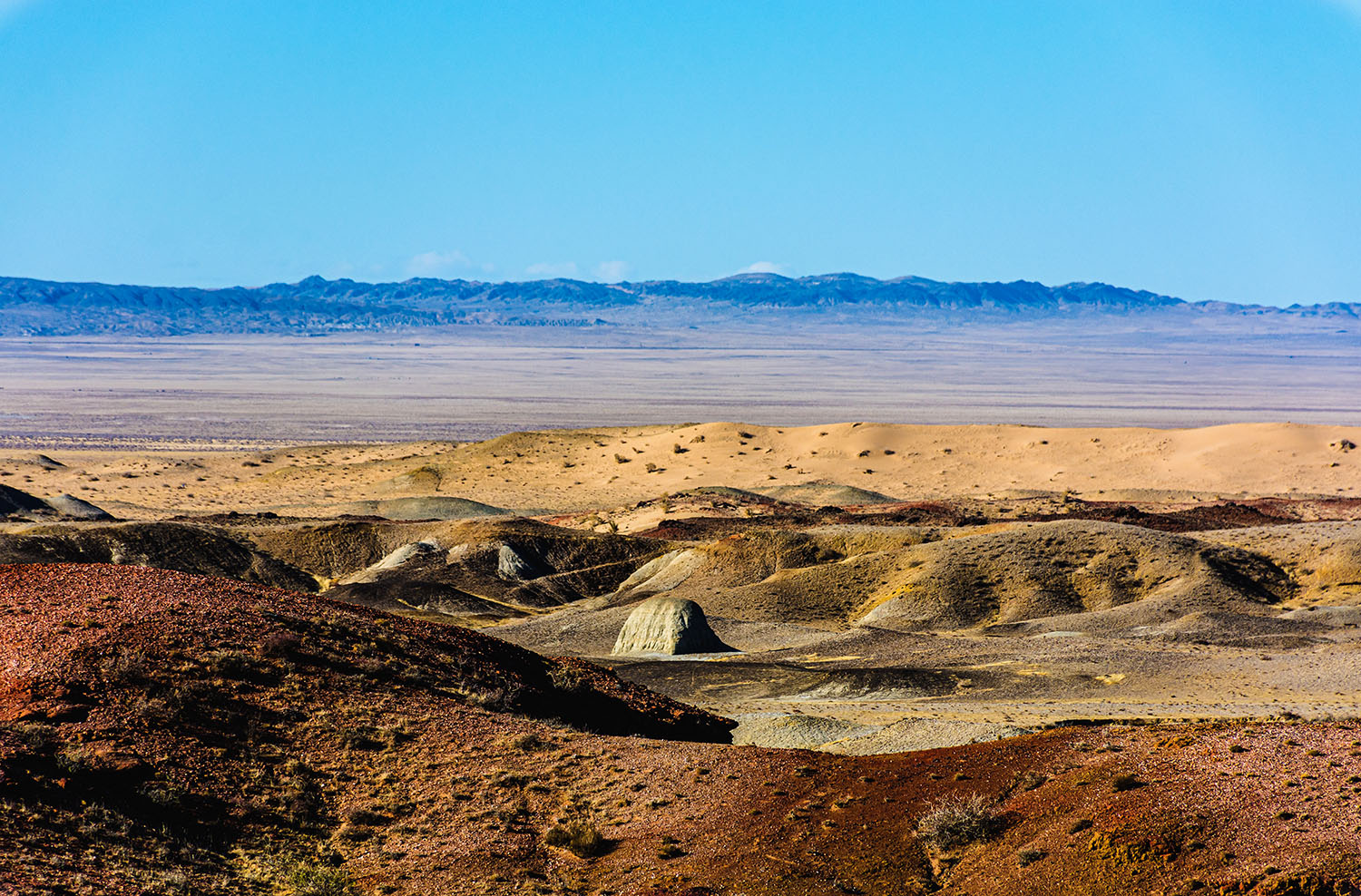
The Oyu Tolgoi mine in southern Mongolia is entering a defining phase of its development, as underground expansion progresses under the operational control of Rio Tinto.
Widely regarded as one of the most important copper-gold projects in the world, the operation is positioned to become a cornerstone of global copper supply over the coming decades.
The mine is operated by Oyu Tolgoi LLC, the locally incorporated entity responsible for all site activities. Rio Tinto exercises management control following its full acquisition of Turquoise Hill Resources in 2022, simplifying the ownership structure and enabling more direct decision-making at the project level.
From Open Pit to Tier-One Underground Operation
Oyu Tolgoi initially commenced production as an open pit operation, producing copper concentrate alongside gold as a by-product. However, the long-term value of the asset lies in its vast underground orebody, which is being developed using block caving—one of the most efficient large-scale underground mining methods.
Once fully ramped up, the underground operation is expected to increase total production to over 500,000 tonnes of copper per annum, placing Oyu Tolgoi among the world’s largest copper producers. This production profile will position the mine as a Tier 1 asset, defined by scale, long mine life and low operating costs.
Block caving at this scale requires significant upfront capital and precise geotechnical management. The method involves undercutting the orebody and allowing it to collapse under gravity, enabling continuous extraction with relatively low operating costs once established. However, the complexity of cave propagation, ground stability and material flow presents ongoing technical challenges.
2026 Status: Ramp-Up and Infrastructure Integration
As of April 2026, underground development continues to advance, with production ramp-up underway.
Key focus areas include:
Completion of underground infrastructure and drawbell development
Optimisation of ore handling systems from underground to surface
Integration of ventilation and safety systems
Alignment of underground production with concentrator capacity
The scale of the operation is reflected in its infrastructure. Oyu Tolgoi includes a large concentrator, extensive power supply systems and significant water management infrastructure in one of the world’s most remote mining regions.
Strategic Importance to Mongolia and Global Markets

Oyu Tolgoi is central to Mongolia’s economy, representing a major source of GDP, export revenue and employment. The Mongolian government’s 34% ownership stake underscores its national importance, while also requiring careful alignment between commercial objectives and national interests.
From a global perspective, the project’s timing is critical. Copper prices as of early 2026 are trading in the range of approximately US$4.00 to US$4.50 per pound (US$8800-US$9900/t), driven by demand from electrification, renewable energy systems and infrastructure development.
As existing copper operations face declining ore grades, large-scale projects like Oyu Tolgoi are essential to maintaining supply. Its long-term production profile provides stability in an increasingly constrained market.
Operational Complexity and Executive-Level Insight
Oyu Tolgoi represents a textbook example of modern mega-project execution. The transition from open pit to underground mining introduces a new level of complexity, requiring integration across multiple disciplines including geotechnical engineering, processing, logistics and workforce management.
Key executive considerations include:
Managing capital intensity while achieving production targets
Ensuring geotechnical stability in a large-scale block cave
Aligning underground output with processing capacity
Maintaining strong stakeholder relationships with government and local communities
The simplification of ownership following Rio Tinto’s acquisition of Turquoise Hill has been a critical step in improving governance and accelerating decision-making.
A Benchmark for the Future of Mining
Oyu Tolgoi is more than a single mining project - it is a benchmark for the future of large-scale resource development. It combines technical complexity, geopolitical considerations and market significance in a way few projects can match.
For the global mining industry, its success will demonstrate how large, capital-intensive assets can be developed and operated in challenging environments while delivering long-term value.
For executives and investors alike, Oyu Tolgoi remains one of the most important projects to watch as the energy transition continues to drive demand for copper and other critical minerals.
Associated companies
Rio Tinto (ASX:RIO)

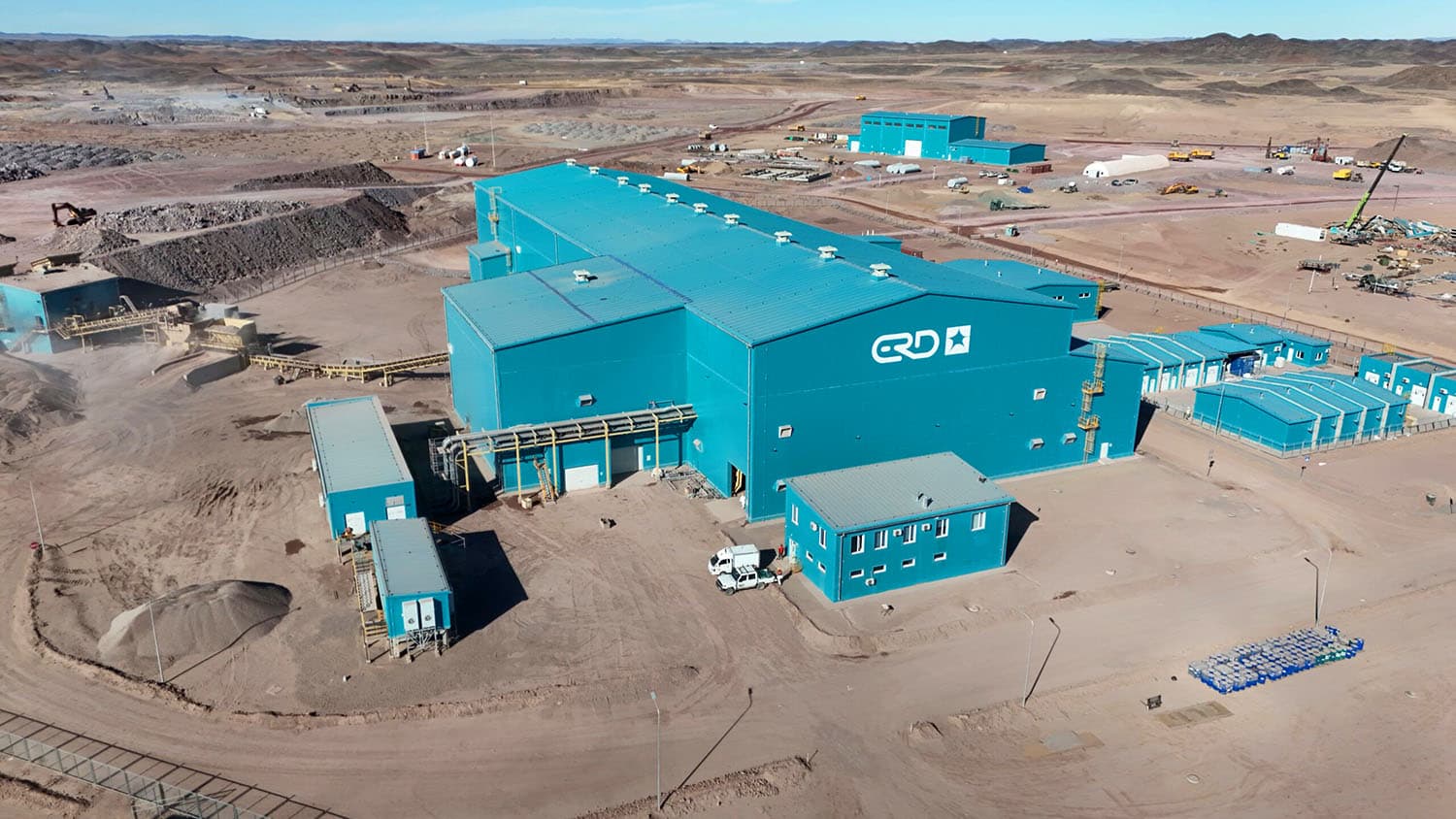
Opportunities for Suppliers and Contractors
Opportunities for Contractors and Suppliers
The ongoing development and ramp-up phase continues to generate substantial opportunities across the supply chain. These include: • Underground development and ground support services • Ventilation and safety systems • Bulk materials handling and ore transport • Automation and remote operations technology • Maintenance and reliability services Given the scale and expected life of the operation, these opportunities extend over decades rather than years, making Oyu Tolgoi one of the most attractive long-term mining service markets globally.