Mining Maintenance in 2026: Global Best Practice, Operational Challenges and the Path to Higher Reliability
Mining maintenance has become one of the most critical operational priorities for the global resources sector. At major operations run by companies such as BHP Group, Rio Tinto and Anglo American, maintenance programs now account for up to 45 percent of total operating expenditure. As equipment grows larger and mines become increasingly automated, companies are adopting predictive maintenance, digital monitoring and advanced reliability engineering to maximise equipment uptime. This article examines global best practice in mining maintenance, the challenges facing modern mine sites, and how technology, suppliers and new maintenance strategies are transforming reliability and cost control across the industry.
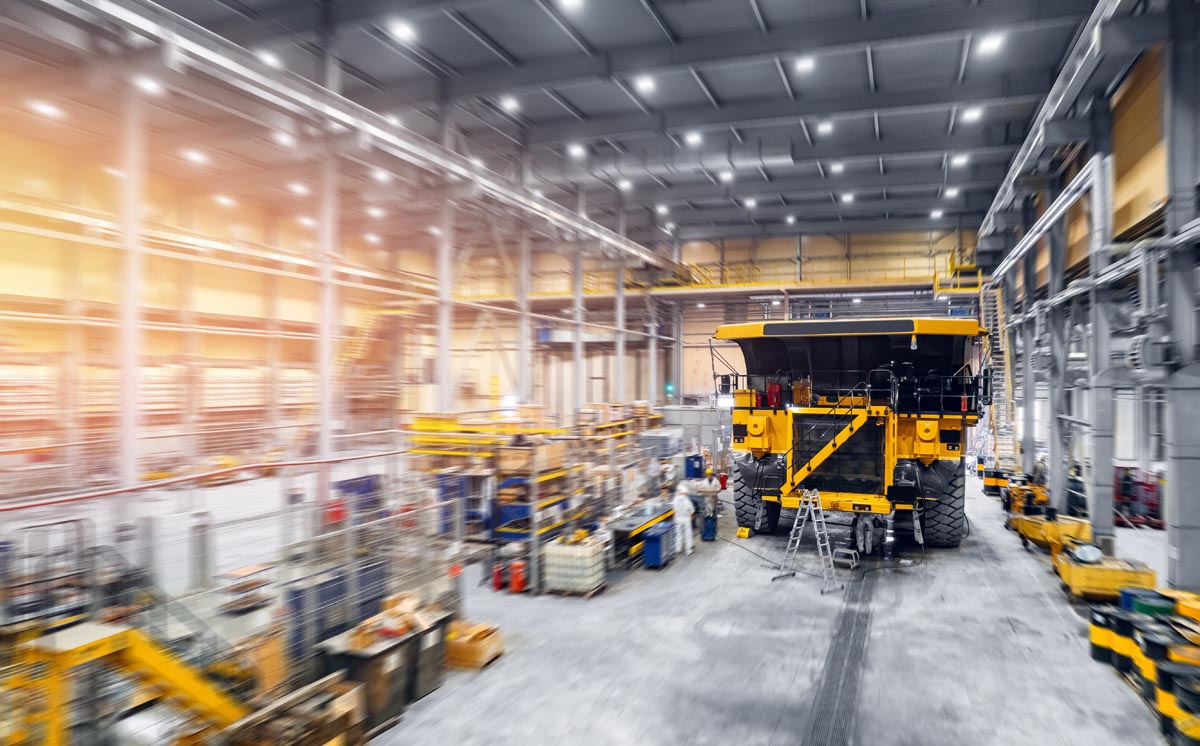
Maintenance has become one of the most strategically important functions in modern mining operations. Across the global mining sector, leading companies such as BHP Group, Rio Tinto, Anglo American, Newmont Corporationand Freeport-McMoRan now view maintenance not simply as a support function but as a core driver of productivity, cost control and asset performance. As mines become deeper, more automated and capital intensive, the ability to maintain large fleets of mobile equipment and complex processing plants efficiently has become critical to profitability.
Industry data consistently shows that maintenance represents one of the largest components of mine operating costs. Across both open-pit and underground operations, maintenance typically accounts for 25–45 percent of total operating expenditure (OPEX), depending on the type of mine, equipment intensity and ore processing requirements. In large open-pit operations with extensive mobile fleets, maintenance costs can represent the single largest controllable expense after labour and energy. In processing plants - particularly those involving crushing, grinding and flotation circuits - maintenance spending is often driven by wear parts, plant shutdowns and the reliability of critical equipment such as mills, pumps and conveyors.
The Scale and Scope of Mining Maintenance
Mining maintenance programs are typically divided into three major operational categories: mobile equipment maintenance, fixed plant maintenance and infrastructure maintenance.
Mobile equipment maintenance focuses on large fleets of haul trucks, excavators, loaders, drilling rigs and auxiliary vehicles. These assets operate in highly abrasive environments and often run continuously for long shifts, resulting in significant wear on engines, hydraulics, tyres and structural components.
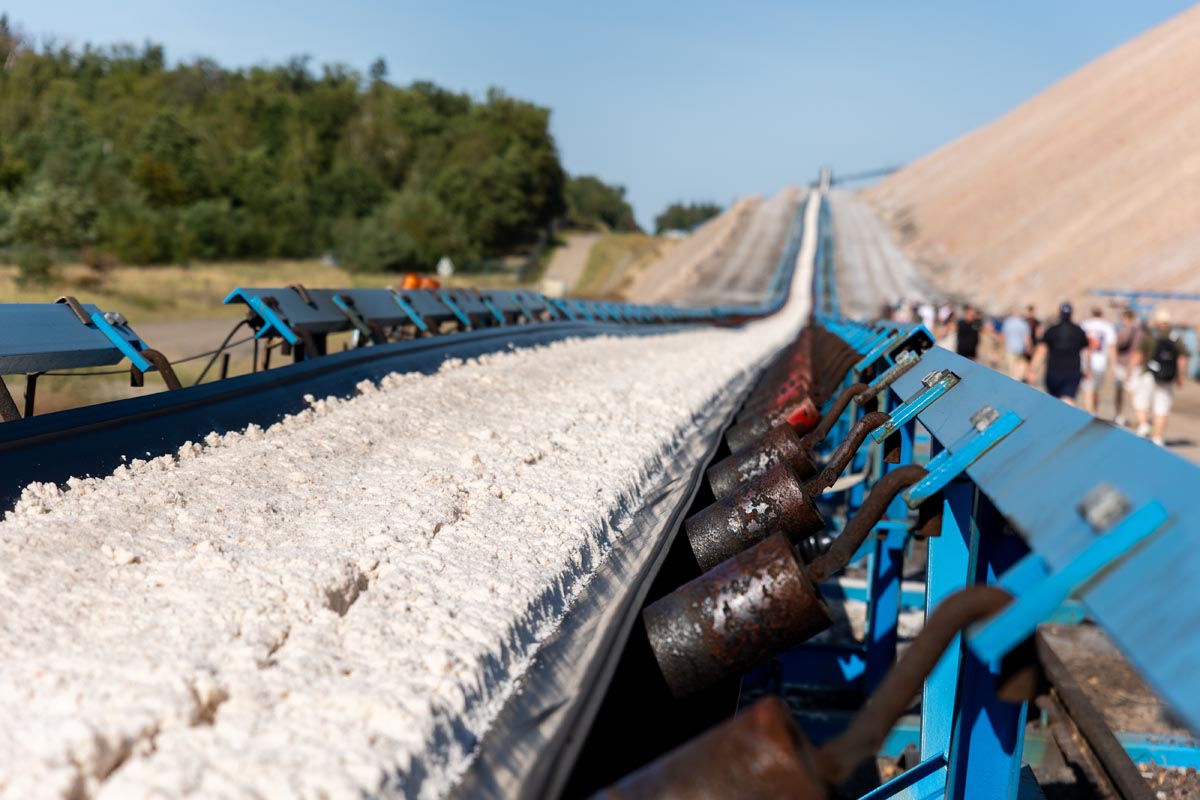
Fixed plant maintenance encompasses the processing facilities used to extract and refine minerals. These systems include crushers, grinding mills, flotation cells, conveyor networks and slurry pumps. Because many of these systems operate continuously, even minor failures can disrupt production across the entire operation.
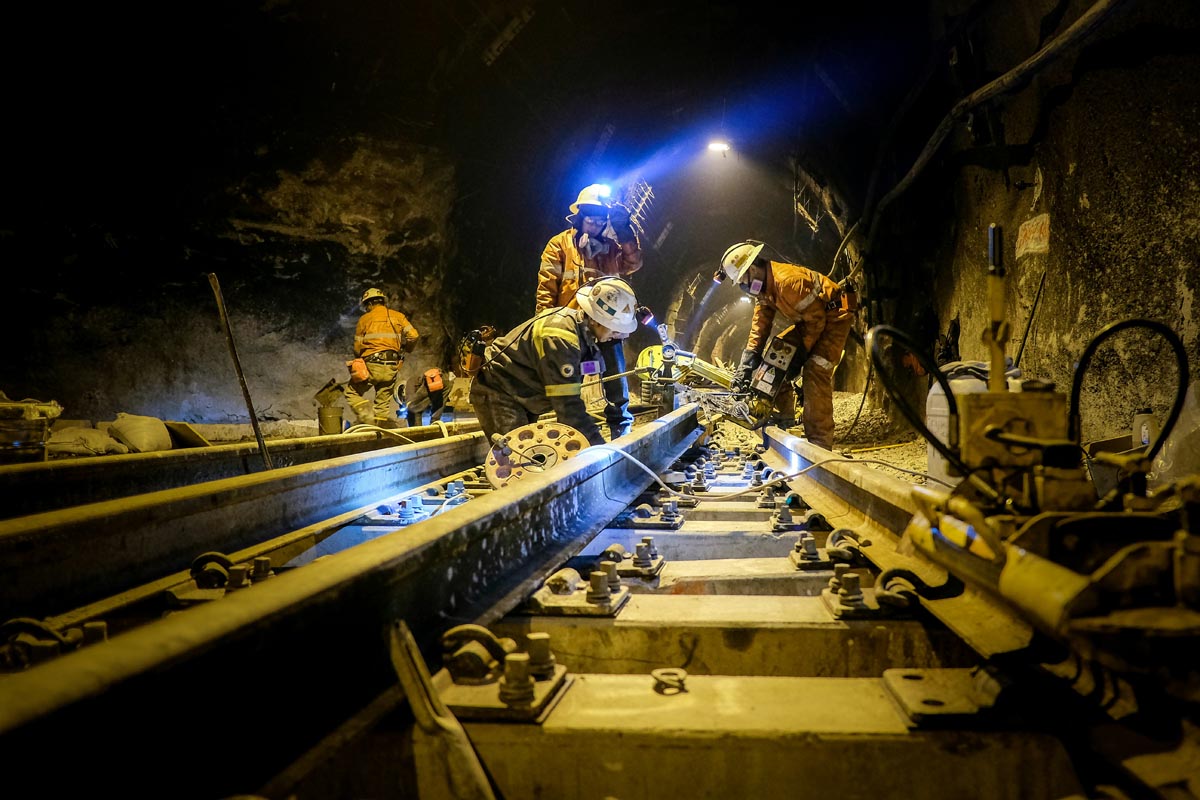
Infrastructure maintenance involves site utilities, electrical distribution systems, workshops, camps and haul roads. Although often overlooked, these elements are essential to the functioning of a modern mine site.
Given the complexity of these systems, major mining companies now manage maintenance through integrated asset management frameworks aligned with standards such as International Organization for Standardization ISO 55000 asset management principles. These frameworks focus on maximizing asset lifecycle value through structured maintenance planning, reliability analysis and data-driven decision making.
Key Challenges Facing Mining Maintenance Programs
Despite major technological advances, mining companies continue to face significant challenges in maintaining equipment reliability and controlling costs.
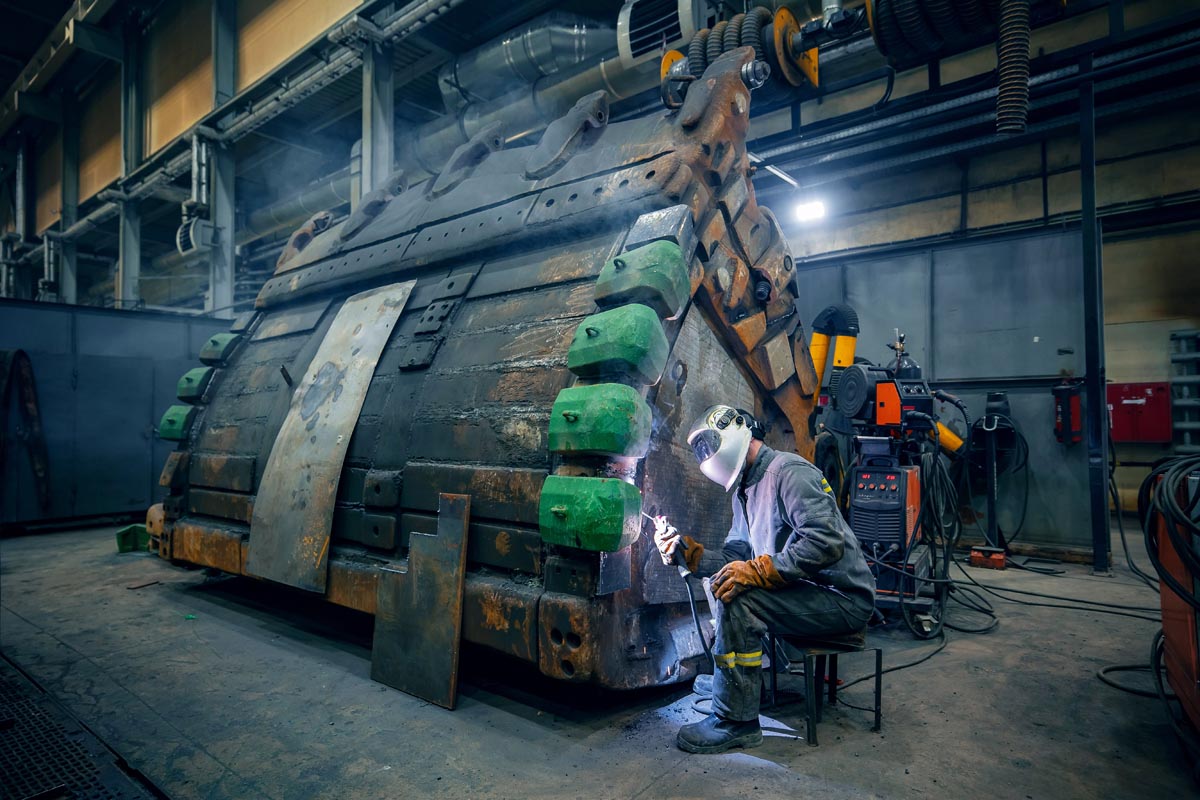
One of the most pressing issues is the increasing scale and complexity of modern mining equipment. Ultra-class haul trucks can weigh more than 600 tonnes when fully loaded, while grinding mills used in large copper and gold operations may exceed 12-metres in diameter. The capital cost of such equipment can reach tens of millions of dollars, making unplanned downtime extremely costly.
Another challenge is the harsh operating environment. Mining equipment is exposed to extreme conditions including dust, vibration, corrosive chemicals and temperature fluctuations. These factors accelerate wear on components such as bearings, hydraulic hoses, pump seals and conveyor systems.
Workforce shortages also present a growing problem in many mining regions. Experienced maintenance technicians, electricians and reliability engineers are increasingly difficult to recruit, particularly in remote mining jurisdictions. This skills gap has forced mining companies to invest more heavily in automation, remote monitoring and predictive maintenance technologies.
Supply chain disruptions have also affected maintenance planning in recent years. Long lead times for critical spare parts, including large bearings, mill liners and heavy equipment components, can create operational risk if inventories are not carefully managed.
Reducing Costs and Improving Equipment Uptime
To address these challenges, leading mining companies are increasingly shifting from reactive maintenance models toward predictive and reliability-based maintenance strategies.
Traditional reactive maintenance - where equipment is repaired only after failure - has largely been replaced by planned preventive maintenance programs. However, the most advanced operations are now adopting predictive maintenance systems that use real-time data and analytics to anticipate equipment failures before they occur.
For example, vibration monitoring systems installed on rotating equipment can detect early signs of bearing or gearbox failure. Similarly, oil analysis programs provide valuable insights into engine and hydraulic system health by identifying contaminants or metal wear particles.
Major mining companies are also investing heavily in digital asset management systems that integrate operational data from equipment sensors, maintenance logs and production metrics. These systems allow reliability engineers to identify patterns of failure, optimize maintenance intervals and improve spare parts planning.
Automation is another important trend. Autonomous haul truck fleets, now operating at many large iron ore and copper mines, reduce mechanical stress caused by human driving behaviour and improve maintenance consistency. Companies such as ASI Mining, Epiroc, Komatsu Ltd. and Caterpillar Inc. have developed integrated fleet management systems that provide real-time data on equipment performance and maintenance requirements.
Scheduled plant shutdowns remain a critical component of maintenance planning in processing operations. During these shutdowns, large-scale maintenance activities such as mill relining, crusher rebuilds and structural repairs are performed. Careful planning and contractor coordination are essential to minimize downtime and ensure production resumes as quickly as possible.
The Role of Suppliers in Improving Maintenance Outcomes
Suppliers play an increasingly important role in helping mining companies optimize maintenance performance. Rather than simply providing replacement parts, leading suppliers now offer integrated service models that include engineering support, condition monitoring and reliability consulting.
For example, equipment manufacturers often provide long-term maintenance service agreements that include remote monitoring, predictive diagnostics and scheduled component replacement programs. These agreements help mines reduce unplanned failures while improving equipment availability.
Consumable suppliers also contribute by developing longer-lasting wear materials and more efficient lubricants designed specifically for mining environments. Improvements in metallurgy, coatings and advanced materials have extended the life of critical components such as mill liners, pump impellers and conveyor rollers.
Digital technology providers are also entering the mining maintenance ecosystem. Companies offering industrial Internet of Things (IIoT) platforms enable mines to collect and analyze large volumes of operational data, improving predictive maintenance capabilities.
Service exchange programs are also invaluable as critical parts can be removed and replaced quickly, they are typically cheaper than an OEM part and mining companies do not have to wait while these parts are repaired or refurbished.
For suppliers seeking to enter the mining sector, demonstrating measurable improvements in equipment reliability or cost reduction is critical. Mining companies typically evaluate suppliers not only on price but also on their ability to enhance operational efficiency and support long-term asset performance.
Future Innovations in Mining Maintenance
Looking ahead, several emerging technologies are expected to reshape mining maintenance practices over the next decade.
Artificial intelligence and machine learning are increasingly being applied to equipment health monitoring. These systems analyze large datasets from sensors and maintenance records to identify patterns that may indicate potential failures. As these technologies mature, they may significantly improve the accuracy of predictive maintenance systems.
Robotics is another area of development. Robotic systems are already being used in some mines to inspect conveyor systems, perform hazardous maintenance tasks and assist with mill relining operations. These technologies reduce safety risks while improving maintenance efficiency.
Additive manufacturing, commonly known as 3D printing, is also gaining interest in the mining sector. In remote operations, the ability to produce spare parts on-site can significantly reduce downtime caused by supply chain delays.
Finally, digital twin technology - virtual models of physical equipment - allows engineers to simulate equipment performance and maintenance scenarios in real time. By combining sensor data with simulation models, digital twins can help predict failures and optimize maintenance scheduling.
Conclusion
Mining maintenance has evolved from a reactive support function into a sophisticated discipline that plays a central role in operational performance. As equipment becomes larger and more complex, the ability to maintain assets efficiently will remain critical to the profitability of mining operations worldwide.
Through the adoption of predictive maintenance technologies, digital asset management systems and advanced engineering practices, leading mining companies are working to reduce costs while maximizing equipment uptime. At the same time, collaboration with suppliers and technology providers is becoming increasingly important in driving innovation and improving maintenance outcomes.
As the mining industry continues to modernize, maintenance will remain a key area where operational excellence, engineering expertise and technological innovation intersect to shape the future of resource production.
Mining Network International is working with our partners in mining companies and supply side providers to bring the latest innovations in mining maintenance to the fore. We will keep you up to date with the technology that delivers cost savings and improvements in uptime and efficiency.