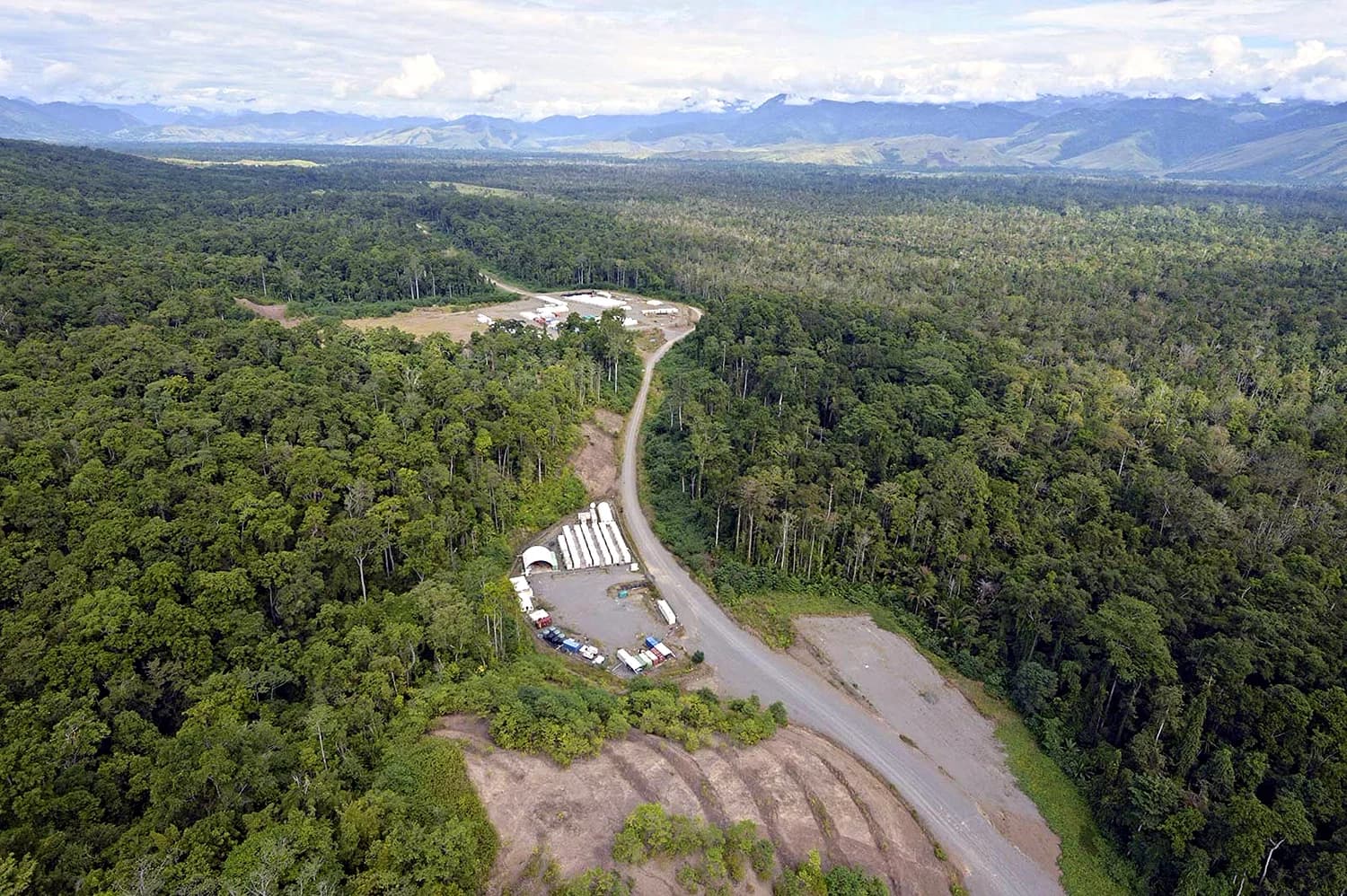
K92 Advances Pastefill, Tailings Filtration and Ventilation Upgrades at Kainantu
K92 Mining has advanced a major underground infrastructure program at Kainantu in Papua New Guinea, with tailings filter cake production underway, pastefill construction progressing and ventilation capacity lifted by 75%. The works are central to converting the high-grade gold-copper mine into a larger, more flexible multi-front underground operation.
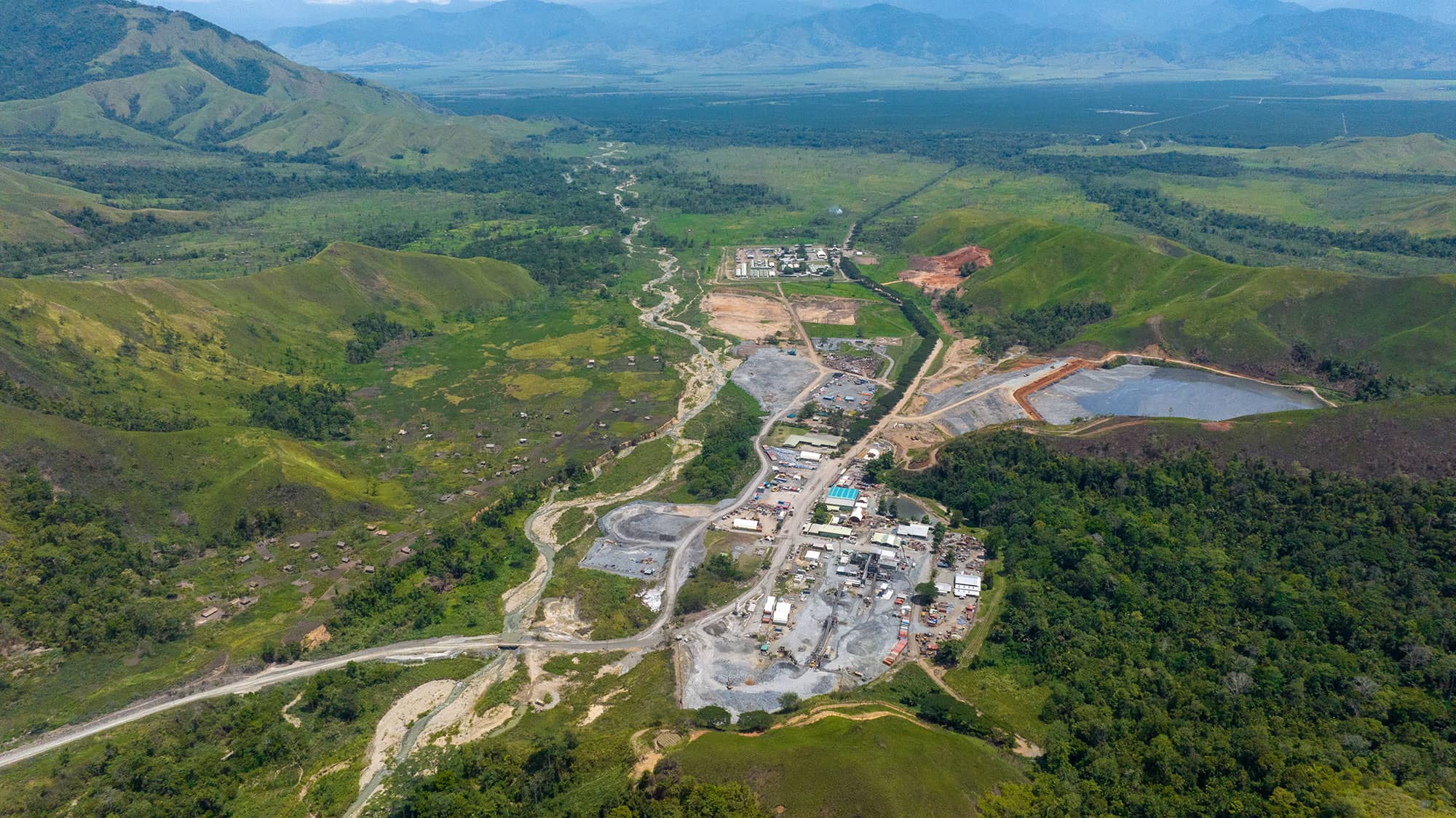
K92 Mining’s Kainantu mine in Papua New Guinea has moved into one of the more technically important phases of its expansion: the infrastructure work required to support higher underground production without losing control of ventilation, material movement, pastefill placement or tailings handling. The latest update shows the Stage 3 and Stage 4 growth pathway being built around underground systems rather than headline plant capacity alone.
The most important development is the pastefill and tailings filtration package. During the first quarter, K92 advanced the Underground Pastefill Plant, Surface Tailings Filtration Plant, Binder Blending Plant and Filter Cake Storage Facility. First tailings filter cake production from the surface filtration plant was delivered in late April, with commissioning continuing.
Detailed civil and concrete works at the Binder Blending Plant are complete, structural steel erection has started at the Filter Cake Storage Facility and practical completion of pastefill circuit commissioning is scheduled for the fourth quarter of 2026.
For a high-grade underground mine using long-hole stoping, pastefill changes the operating equation. Kainantu currently mines the Kora and Judd deposits using long-hole open stoping with Avoca and Modified Avoca methods. K92’s mine plan is moving toward long-hole stoping with pastefill in the second half of 2026 once the pastefill plant is complete. That transition can improve sequencing flexibility, enable better extraction around voids and support more productive stoping layouts as mining fronts multiply.
Ventilation is the second major technical lever. K92 achieved surface breakthrough of the Puma Ventilation Drive in late February, lifting primary mine airflow from 200 m³/s to 350 m³/s, a 75% increase. That upgrade meets initial Stage 3 airflow requirements and reduces blast re-entry times, giving underground crews more productive access to working areas after blasting.
Stage 4 ventilation works are also advancing, with high-voltage electrical work scheduled for completion in mid-2026. Once energised, primary airflow capacity is expected to increase to about 600 m³/s, expandable to roughly 700 m³/s.
The traffic and materials handling changes are equally important. The Decline-Incline Convergence Project was completed in late January, connecting the Main Mine with the Twin Incline through internal ramp access and enabling one-way traffic flow across mining fronts. A second material pass, 5m in diameter and 200m vertical, has also been completed from the 1110 level to the 910 level at the Twin Incline, with civil works underway and operation targeted for late Q2. That system is designed to create dedicated material passes for ore and waste, strengthening movement through the Main Mine and Lower Kora.
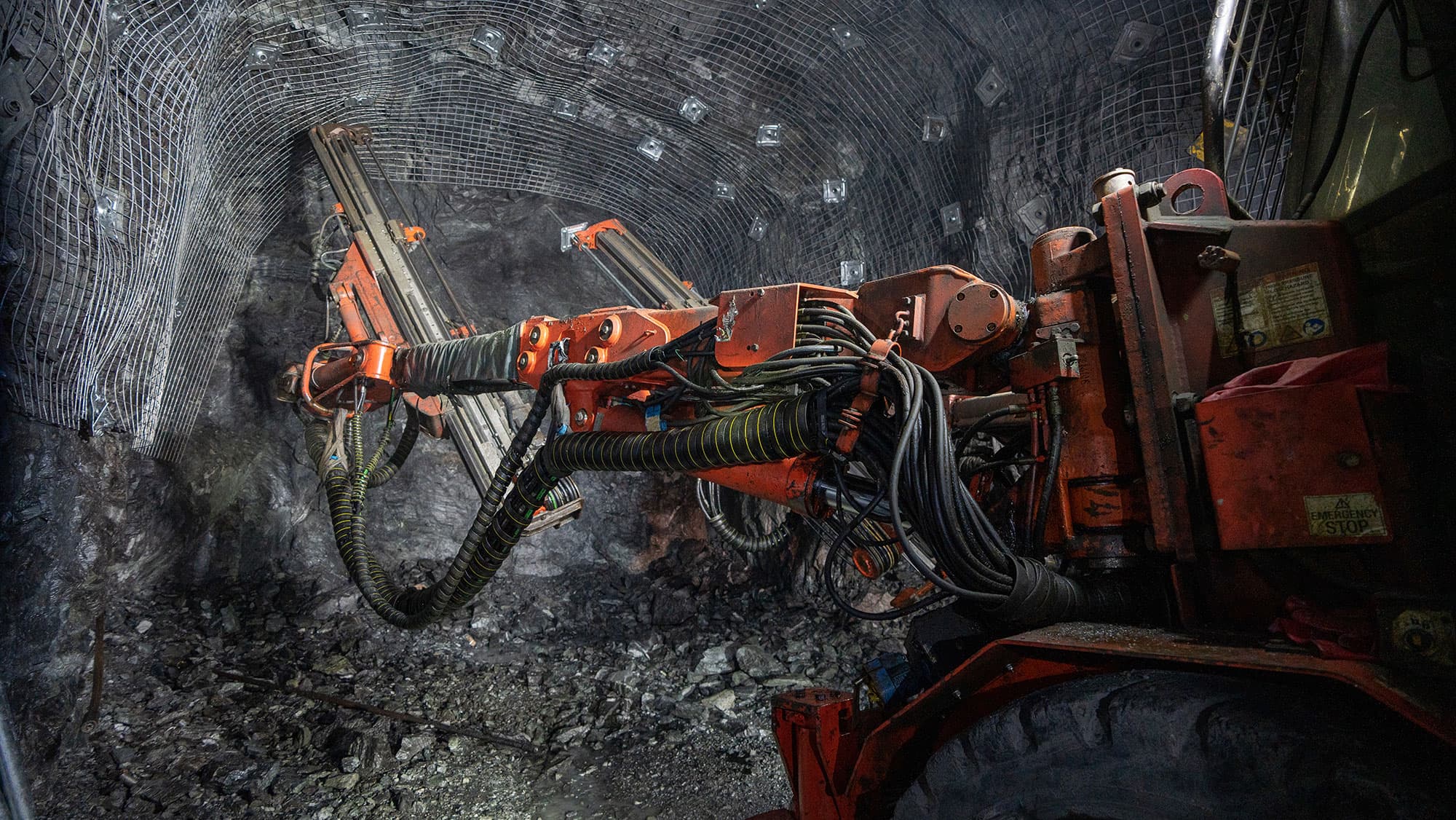
K92 is also expanding the mechanised fleet behind the larger mine plan. Three additional Sandvik 517i underground loaders entered service in Q1, another unit is due in Q2 and six new 60t surface trucks are scheduled to arrive in mid-2026 to haul directly from the Twin Incline to the processing plant.
Two new Sandvik 45t underground trucks are expected in Q4 and a Sandvik DL432i long-hole production drill was commissioned in late April, with a new DD422i jumbo scheduled for late 2026.
The mine spans about 830 km² and has already moved through Stage 2 and Stage 2A throughput expansions. Stage 3 process plant construction and commissioning were completed under budget, with first production achieved in October 2025, while the Stage 3 and Stage 4 expansions are designed to establish Kainantu as a larger gold-copper operation.
The commercial relevance is that Kainantu’s growth now depends on underground execution, not only processing capacity. A mine can install a larger plant and still be constrained by ventilation, bogging, haulage, pastefill availability or tailings capacity. K92’s current program addresses those bottlenecks directly, using airflow, pastefill, filtered tailings, material passes and fleet additions to support multiple active mining fronts.
The next milestones to watch are completion of the surface filtration system commissioning, structural progress on the filter cake storage facility, practical commissioning of the pastefill circuit in Q4 and the mid-year power and ventilation upgrades tied to Stage 4. If those systems deliver as planned, Kainantu will have a stronger underground platform for higher production, faster mining cycles and more flexible sequencing across Kora, Judd and Lower Kora.
Associated companies
K92 Mining Inc. (TSX:KNT)