Global Mining Capital Flows Shift to Long-Life Tier-One Assets as Supply Risks Intensify
Mining investment is increasingly concentrated on long-life, tier-one assets as companies respond to rising global demand, declining ore grades and tightening supply. Major producers are prioritising projects with multi-decade production profiles in stable jurisdictions. This shift reflects a strategic move toward long-term value creation and predictable returns. With capital flowing into copper, base metals and critical minerals, investors and executives are reshaping portfolios around scale, longevity and operational resilience, fundamentally changing the structure of the global mining industry.
A Structural Shift in Mining Capital Allocation
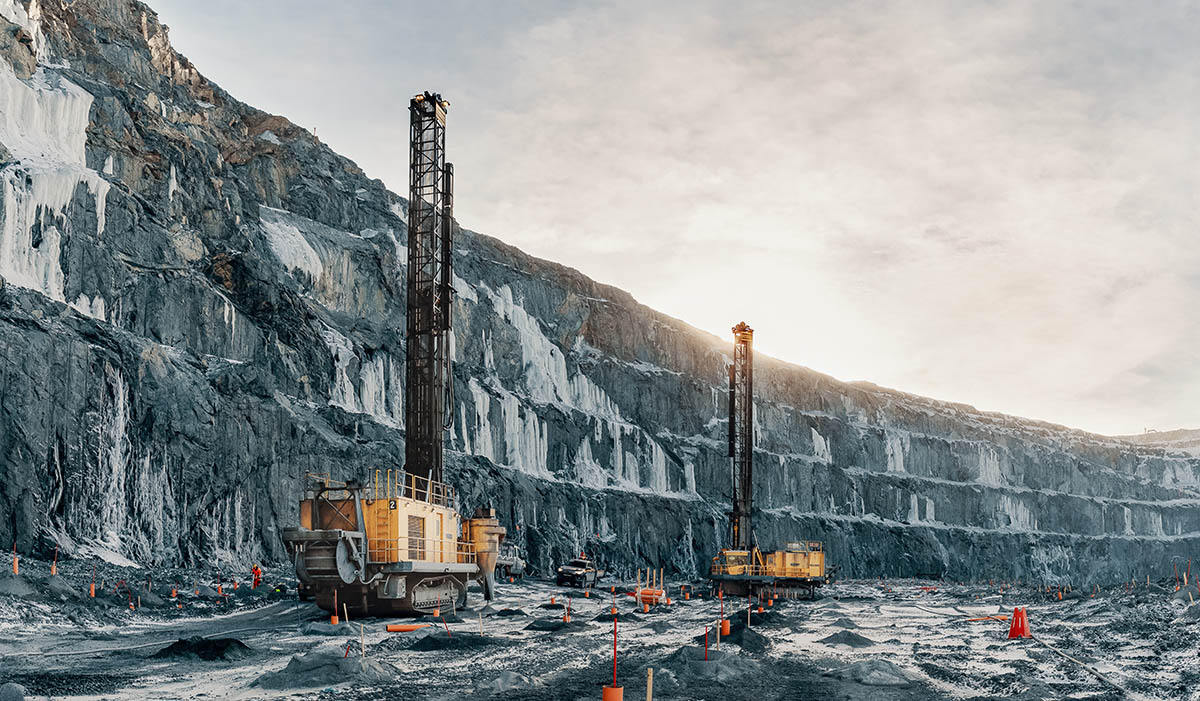
Global mining capital is undergoing a structural shift toward large-scale, long-life assets capable of delivering consistent production over decades. This transformation reflects a combination of declining discovery rates, increasing technical complexity and stronger investor demand for stable returns.
Canadian-based Lundin Mining (TSX: LUN, Nasdaq Stockholm: LUMI) provides a clear example of this strategy in action. Headquartered in Toronto, Lundin operates copper-focused assets across Chile, Brazil and Europe, including the Candelaria and Chapada mines. The company has consistently emphasised long-life copper assets as central to its growth strategy, targeting operations with multi-decade production potential.
Similarly, Boliden (Nasdaq Stockholm: BOL), headquartered in Sweden, operates a portfolio of zinc, copper, lead and gold assets across Scandinavia and Ireland. Boliden’s approach focuses on extending mine life through exploration and continuous processing improvements, reinforcing the value of established, long-duration operations in politically stable regions.
Declining Ore Grades and Rising Technical Complexity
A major driver behind this investment shift is the steady decline in ore grades across key commodities, particularly copper and gold. Lower grades require higher throughput, driving up both capital and operating costs.
First Quantum Minerals (TSX: FM), headquartered in Vancouver, has demonstrated how scale and integration can offset these challenges. Its flagship operations, including Kansanshi in Zambia and Cobre Panamá (currently under care and maintenance), highlight the importance of large, integrated systems combining mining, processing and infrastructure.
These projects incorporate power generation, water management and logistics into a single operating framework, enabling cost efficiencies despite increasingly complex ore bodies. This integrated approach is becoming standard for new developments globally.
Investor Preferences and Capital Discipline

Investor expectations have also played a critical role in reshaping mining capital allocation. Since the commodity downturn of the mid-2010s, capital discipline has become a defining feature of the industry.
Franco-Nevada (TSX: FNV, NYSE: FNV), headquartered in Toronto, provides exposure to long-life mining assets without direct operational risk. Its portfolio includes royalties on gold, silver and base metals projects globally, with a strong focus on assets capable of delivering production over decades.
This model reflects broader investor preferences for stable, long-term cash flows. Long-life assets reduce exposure to short-term commodity price volatility and provide greater predictability, making them highly attractive to institutional investors.
Jurisdictional Stability and Strategic Resource Security
Jurisdictional stability remains a critical factor in investment decisions. Long-life assets require regulatory certainty over decades, making politically stable regions more attractive.
Mining companies are increasingly prioritising projects in countries with established legal frameworks and supportive government policies. At the same time, governments are recognising the strategic importance of mineral supply, particularly for critical commodities.
This is evident in the growing focus on copper, lithium and rare earth elements, which are essential for electrification and renewable energy systems. Large-scale projects in these commodities are being supported through policy initiatives and investment incentives.
Operational Advantages of Long-Life Assets
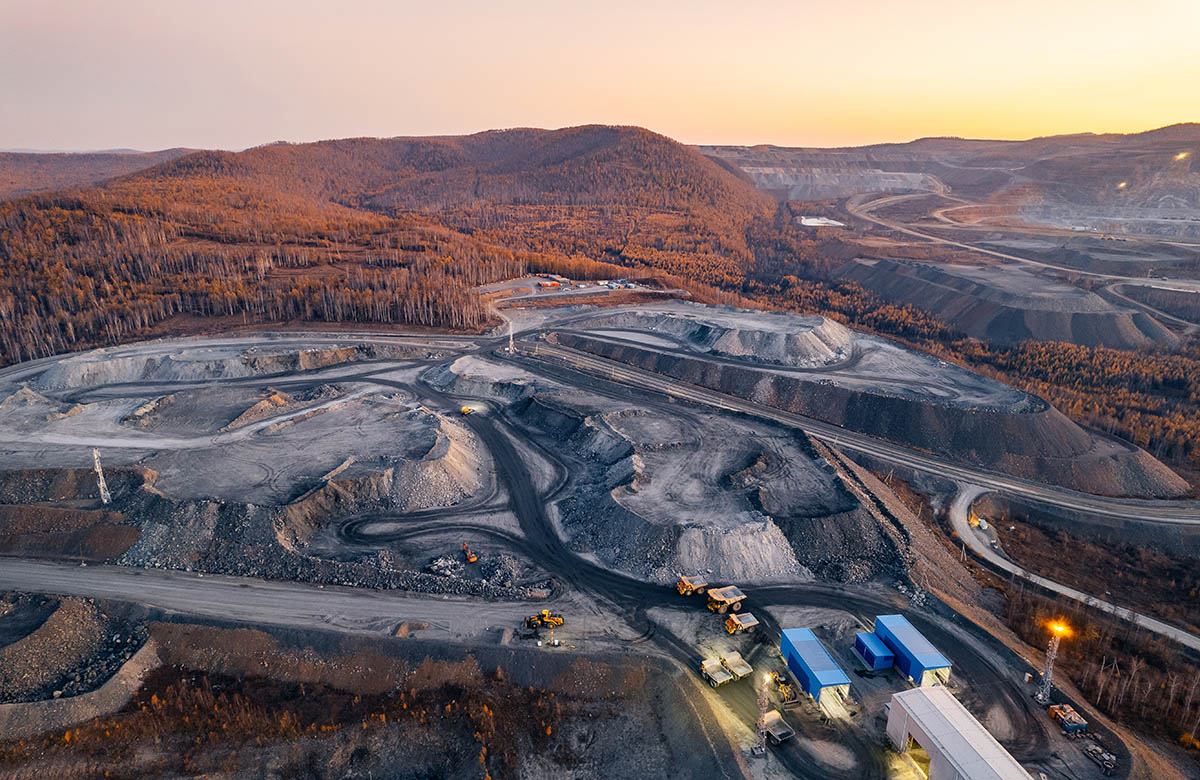
From an operational perspective, long-life assets provide a platform for continuous optimisation and technological advancement. These operations can justify the deployment of automation, electrification and advanced processing technologies due to their extended production horizons.
They also enable workforce stability, allowing companies to build experienced teams and maintain consistent operational performance. This is particularly important in complex underground or large-scale open pit operations.
Over time, incremental improvements in processing efficiency, maintenance strategies and energy use can significantly enhance profitability. This cumulative optimisation is a key advantage of long-life assets compared to shorter-duration projects.
Risk Profile and Challenges
Despite their advantages, long-life assets present significant challenges. The scale of capital investment required increases financial risk, particularly in volatile commodity markets.
Environmental and social considerations are also critical. Long-duration projects must address water use, emissions and community impact over extended periods, requiring robust planning and ongoing engagement.
Technological change adds another layer of complexity. While long-life assets provide stability, they must remain adaptable to new technologies and evolving market conditions. This requires flexible design and continuous reinvestment.
A Long-Term Industry Transformation
The shift toward long-life tier-one assets represents a fundamental transformation of the mining industry. As global demand for minerals continues to grow, particularly for energy transition commodities, the need for reliable, large-scale supply will only increase.
Mining companies are responding by focusing on assets that can deliver sustained production, operational efficiency and strong returns over decades. This approach aligns with investor expectations and supports the development of more resilient supply chains.
For executives and investors, the message is clear. Success in the modern mining sector will depend on the ability to identify and develop high-quality, long-life assets in stable jurisdictions. Companies that can achieve this will be well positioned to capture value in an increasingly competitive and capital-intensive global market.
Associated companies
Boliden GroupLundin Mining Corp. (TSX:LUN)First Quantum Minerals Ltd. (TSX:FM)Franco-Nevada Corporation (TSX:FNV)
Opportunities for Suppliers and Contractors
Implications for Contractors and Suppliers
The shift toward long-life tier-one assets is reshaping the contractor and supplier landscape. Large-scale projects require extensive engineering, procurement and construction services, often over extended timeframes. Suppliers are increasingly expected to provide integrated solutions that align with the full lifecycle of the asset. This includes equipment supply, digital systems, maintenance services and sustainability solutions. For contractors, long-life projects offer the opportunity to establish long-term partnerships rather than short-term engagements. This creates more stable revenue streams but also raises expectations around performance, innovation and ESG compliance.