Defense Metals Starts Wicheeda Rare Earth Drilling in British Columbia
Defense Metals has started a 6,865-metre spring drill program at Wicheeda in British Columbia, advancing one of North America’s more mature rare earth projects as western supply chains seek non-Chinese feedstock for defence, high-technology and clean energy manufacturing ahead of feasibility study, permitting and a future production decision in Canada.
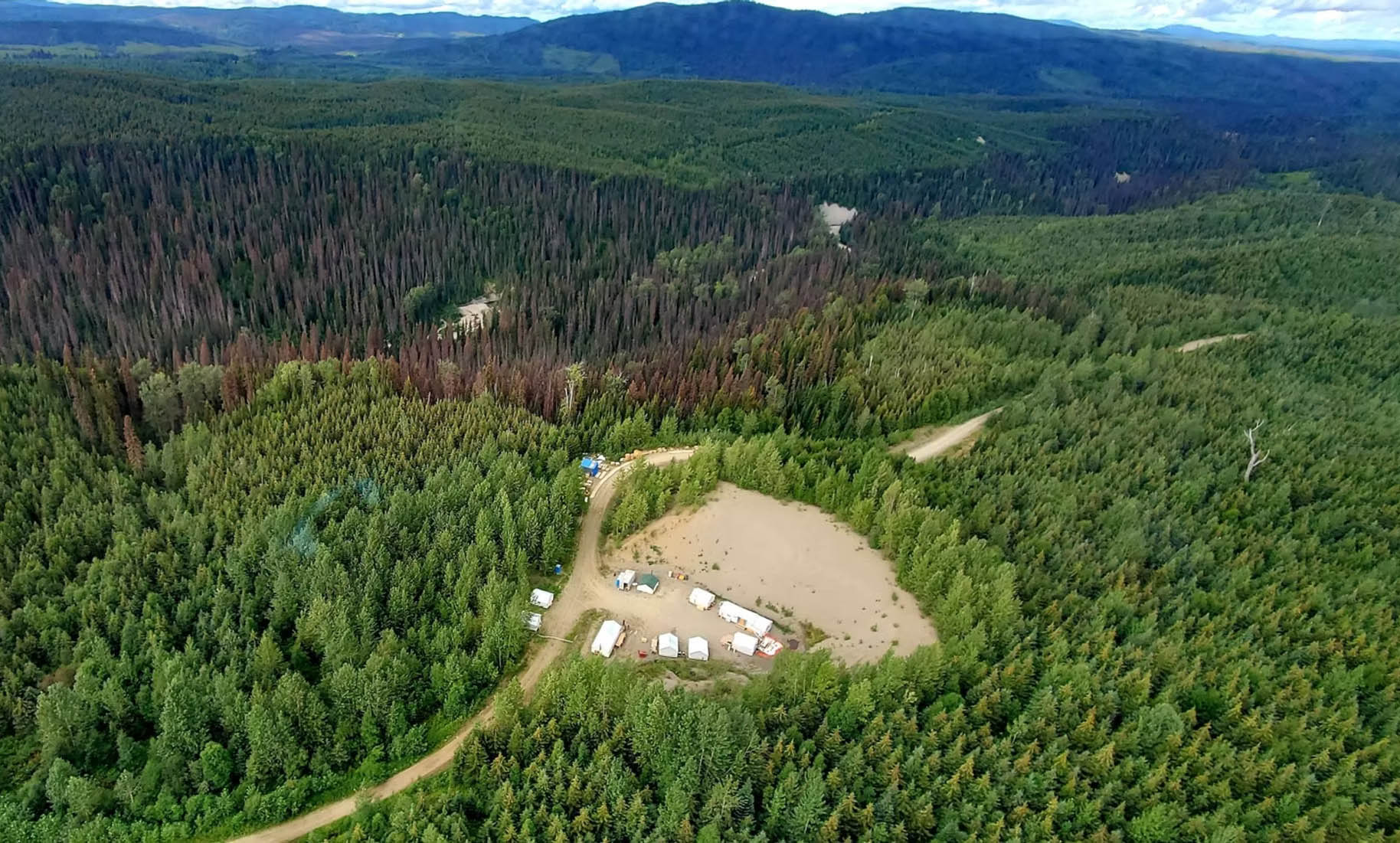
Defense Metals has moved Wicheeda into its next technical phase, starting a spring 2026 core drilling campaign designed to tighten the engineering, environmental and resource base behind one of the more advanced undeveloped rare earth projects in North America.
The company said field crews completed mobilisation on May 1 and drilling is now underway at the Wicheeda Rare Earth Project, about 80 kilometres northeast of Prince George in British Columbia. The campaign is expected to run for approximately two months and total 6,865 metres across pit slope geotechnical drilling, waste rock geochemical drilling and resource upgrade work.
The drilling is not a broad conceptual exploration push. It is targeted work feeding directly into the Wicheeda feasibility study, with 1,475 metres allocated to pit slope geotechnical drilling, 2,590 metres to waste rock geochemical drilling and 2,800 metres, or about 20 holes, assigned to resource upgrade and infill drilling. That mix gives the program operational weight: pit design; waste rock characterisation; environmental planning and resource confidence all sit on the critical path for a rare earth project trying to move beyond market positioning and into development readiness.
Wicheeda’s strategic appeal lies in both commodity and geography. The project is 100% owned by Defense Metals and sits in central British Columbia with road access, nearby power transmission, gas pipeline infrastructure, rail and a skilled mining workforce at Prince George. Defense Metals positions the asset as a potential supplier of critical rare earth elements used in defence systems, advanced manufacturing and energy-efficient technologies.
The current resource base gives Wicheeda more substance than many early-stage rare earth entrants. Defense Metals’cite a 2025 Mineral Resource estimate of 29.2 million tonnes of Measured and Indicated resource at an average grade of 2.27% TREO, plus 5.5 million tonnes of Inferred resource at 1.42% TREO. The deposit is a syenite-carbonatite intrusive complex, with rare earth-enriched dolomite-carbonatite forming the main mineralised body.
The latest field program therefore lands at a commercially important point. Rare earth developers are under pressure to demonstrate not only grade and scale but practical development pathways, credible metallurgy, permitting discipline and infrastructure access. Wicheeda has already advanced through a 2025 pre-feasibility study and the present work is aimed at further de-risking the feasibility-stage dataset.
Defense Metals has engaged APEX Geoscience Ltd. to execute the spring campaign. The technical work will support pit design, waste rock management and environmental considerations, all of which are central to whether Wicheeda can convert strategic relevance into a mine development case.
The development is significant because it brings a critical minerals project with real infrastructure advantages into a sharper feasibility window. In a rare earth market still dominated by processing and supply chain concentration outside North America, Wicheeda’s progress will be watched for its ability to offer mine-side feedstock aligned with western defence, clean energy and advanced manufacturing demand.
Associated companies
Defense Metals Corp. (TSX:DFN, OTC:DFMTF)