Autonomous Haulage Systems 2.0: Electrification, Interoperability and the Mid-Tier Adoption Pathway
Autonomous haulage systems are entering a new phase, combining electrification, interoperability and advanced control to deliver measurable gains beyond traditional automation. Leading OEMs such as Caterpillar Inc. and Komatsu Ltd. are integrating trolley-assisted electric haulage and energy-optimised fleet management, while Epiroc and ASI Mining are enabling retrofit, brand-agnostic autonomy. These developments are making high-performance, low-emission haulage more accessible to mid-tier miners, offering scalable pathways to reduce fuel costs, improve consistency and enhance overall operational efficiency.

Haulage Efficiency Has Plateaued
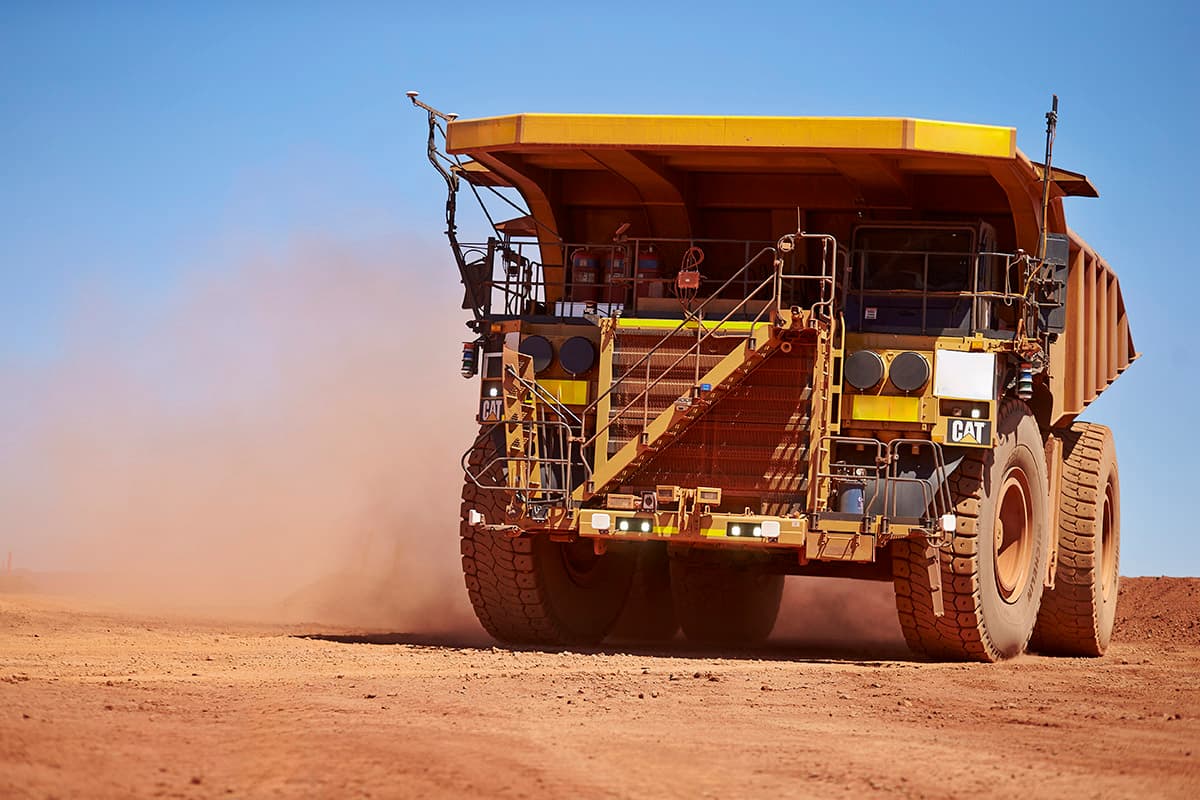
Across large-scale surface mining operations, the challenge is no longer simply reducing labour costs but overcoming systemic inefficiencies embedded within the haulage cycle. Even highly disciplined operations continue to experience variability in truck performance, haul road utilisation and truck–shovel interaction.
These inefficiencies manifest in uneven fuel consumption, accelerated tyre wear, inconsistent cycle times and increased maintenance demand. As diesel costs rise and decarbonisation targets tighten, the limitations of conventional haulage systems have become more pronounced. The industry is now transitioning beyond first-generation automation toward integrated systems that combine autonomy, electrification and advanced control architectures.
Integration of Autonomy and Electrified Haulage
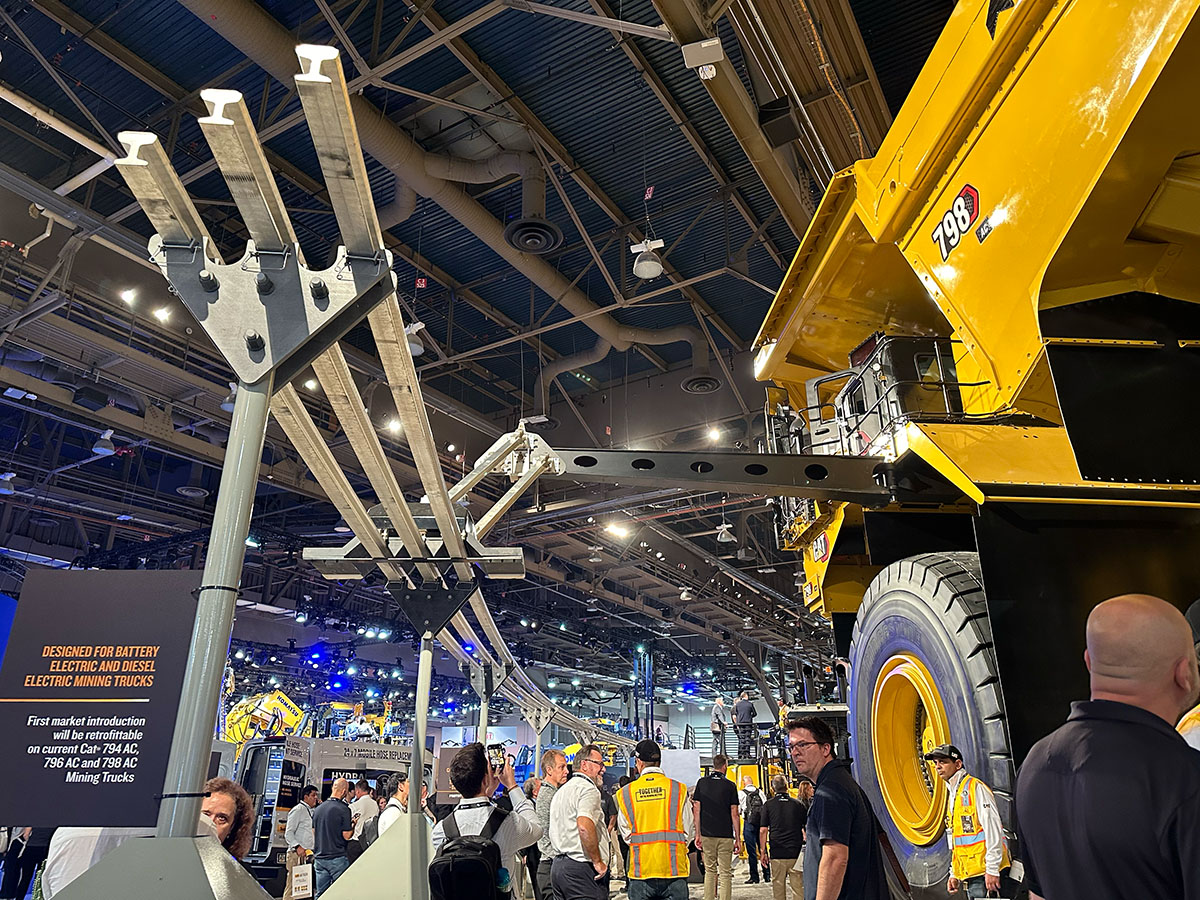
Autonomous haulage systems developed by a number of companies such as Caterpillar Inc. and Komatsu Ltd. have evolved into highly sophisticated operational platforms rather than standalone technologies. At the core of these systems is precise machine control enabled by high-accuracy GPS, onboard perception technologies such as radar and LiDAR and continuous communication with central fleet management systems. These elements allow haul trucks to operate with a level of consistency that is not achievable through manual operation.
Caterpillar has extended its Command for Hauling platform through integration with trolley assist infrastructure, effectively introducing a charge rail concept into autonomous haulage operations. In this configuration, trucks equipped with pantographs connect to overhead electrical lines installed along high-resistance haul segments, typically uphill ramps. Once engaged, the truck draws electrical power to supplement or partially replace diesel engine output. The significance of autonomy in this context lies in its ability to maintain precise alignment beneath the trolley line while controlling acceleration and speed profiles to optimise energy transfer. This results in consistent and repeatable electrified haulage, reducing diesel consumption while increasing ramp speeds and overall productivity.
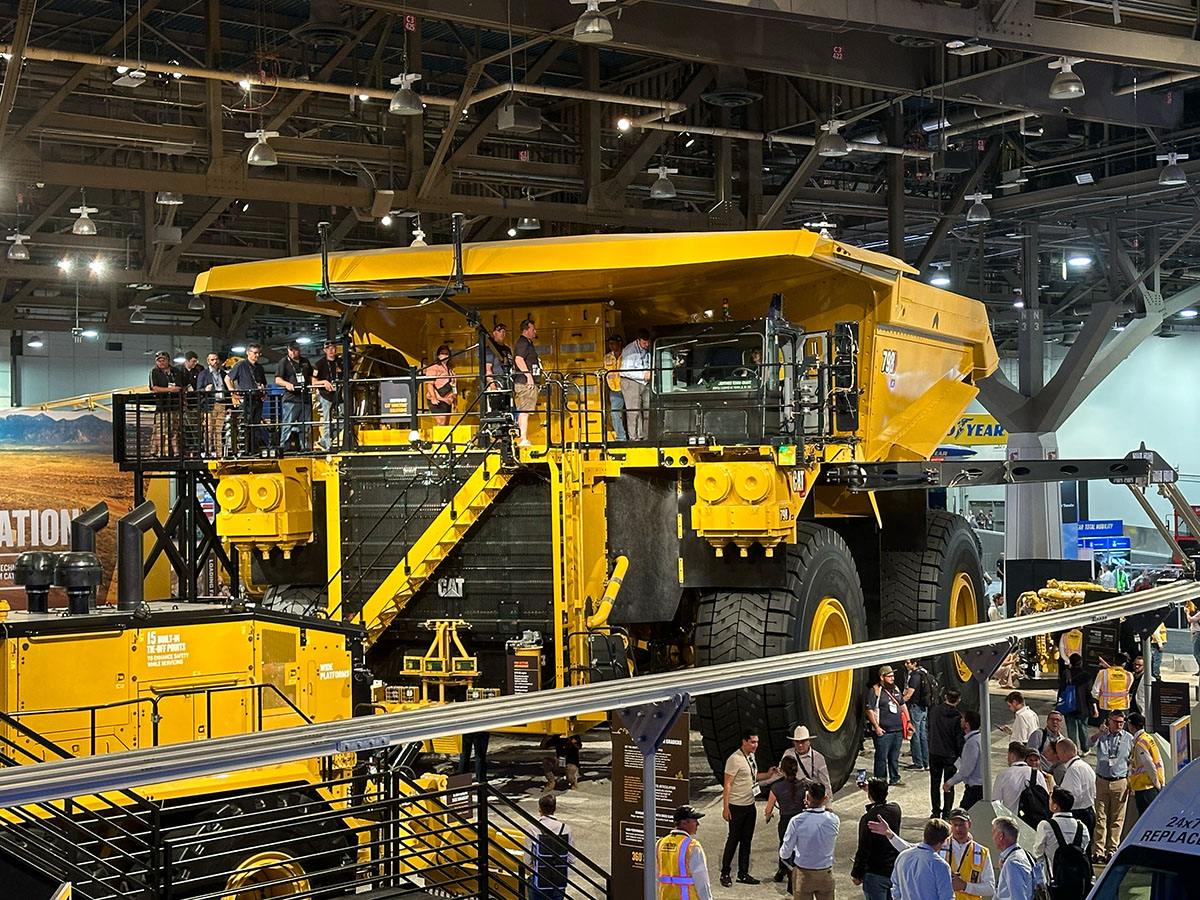
Caterpillar's charging system for haul trucks is known as Cat® Dynamic Energy Transfer (DET) and is a rail system designed to transfer electricity to mining haul trucks while they are in motion, allowing them to charge their batteries or power their drivetrains without stopping.
The Cat DET system consists of three primary integrated elements: the Power Module that converts energy from the minesite's main power supply into a usable format for the charging system; an Electrified Rail System, which is a mobile, customisable ground-level rail that transmits energy along haul roads, including curved and high-speed sections and a Machine System (Transfer Arm), which is a connecting arm installed on the truck that deploys to make contact with the rail to transfer power to the vehicle's powertrain.
Komatsu has taken a complementary approach through its FrontRunner system by ensuring that its autonomy platform remains power-agnostic. Rather than focusing on a single energy solution, Komatsu’s system is designed to operate seamlessly across diesel-electric, trolley-assist and emerging battery-electric haul trucks. This flexibility allows mining operations to transition toward lower-emission energy sources without requiring a fundamental redesign of their autonomy infrastructure. By integrating real-time data on haul gradients, payload and resistance, the system continuously optimises energy usage across the haul cycle, ensuring that theoretical efficiency gains are realised in operational practice.
Brand-Agnostic Autonomy: A Structural Shift in the Market
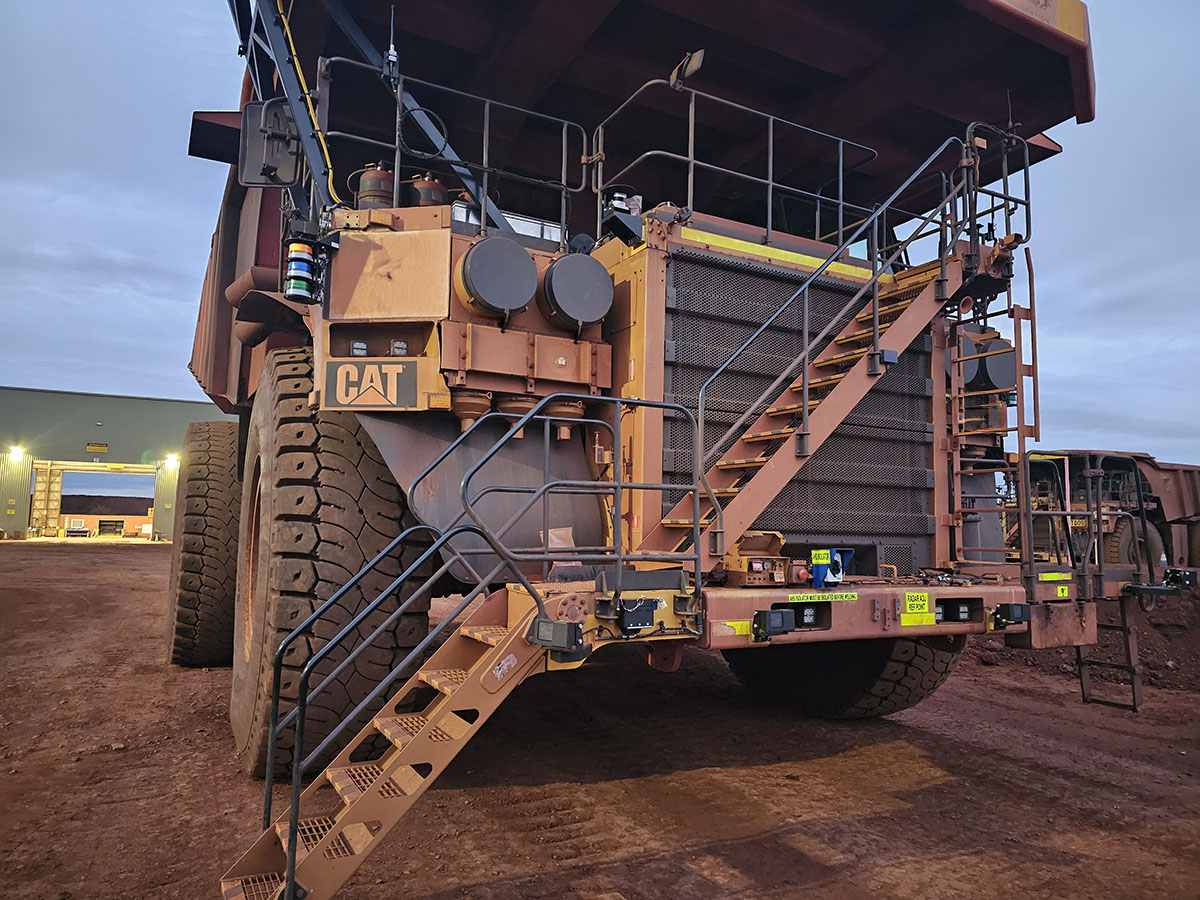
A significant development in the evolution of autonomous haulage is the emergence of brand-agnostic control systems. Epiroc, in collaboration with ASI Mining, has demonstrated this approach through the deployment of an autonomous haulage solution at Roy Hill in Western Australia.
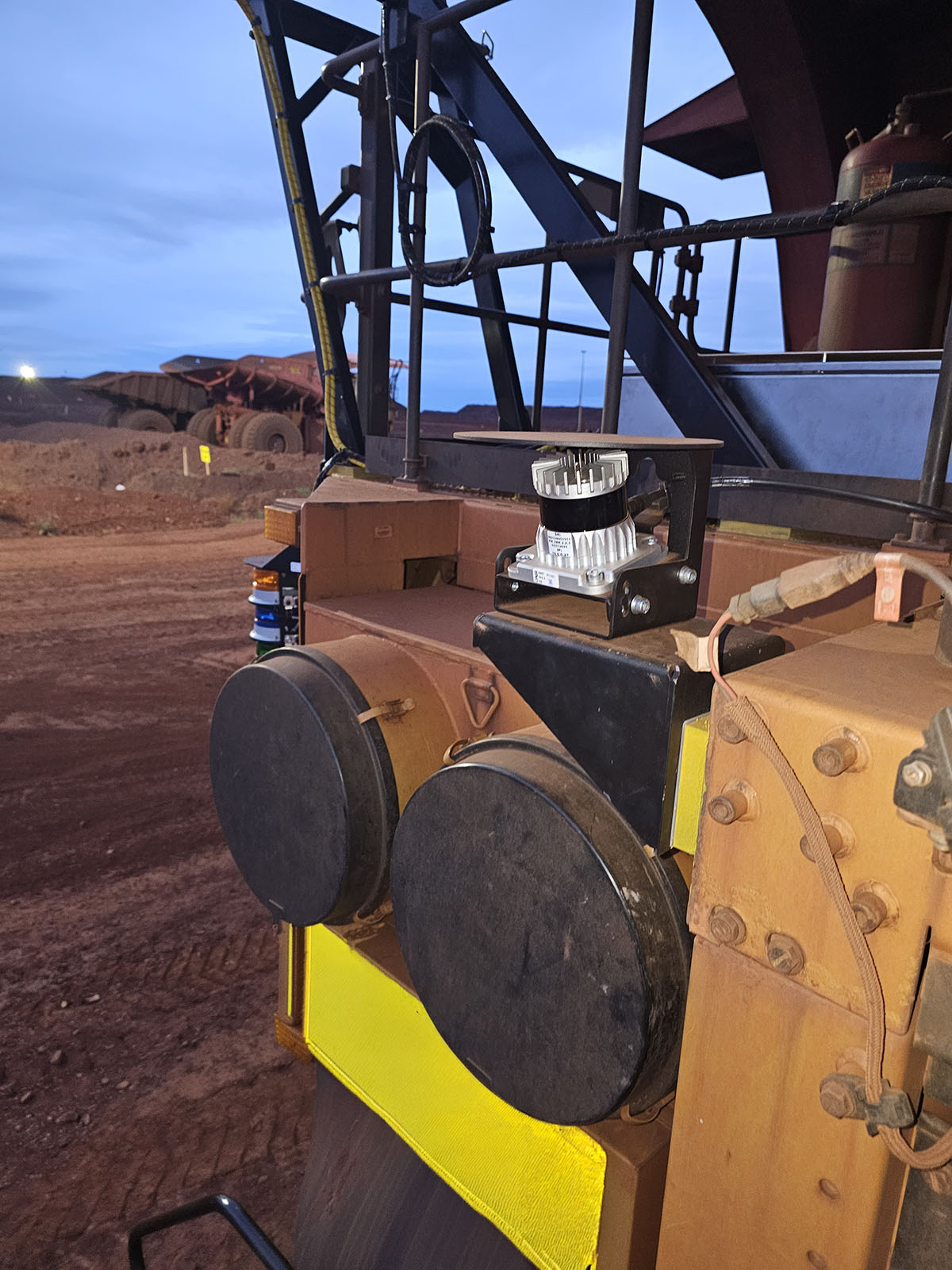
This system differs fundamentally from OEM-specific platforms in that it is designed to retrofit autonomy onto existing haul truck fleets regardless of manufacturer. The ASI Mining Mobius platform provides a centralised command and control environment, while onboard autonomy kits enable individual trucks to operate without human drivers. The system’s architecture allows it to integrate with existing fleet management and dispatch systems, creating a layer of operational control that sits above the equipment itself.
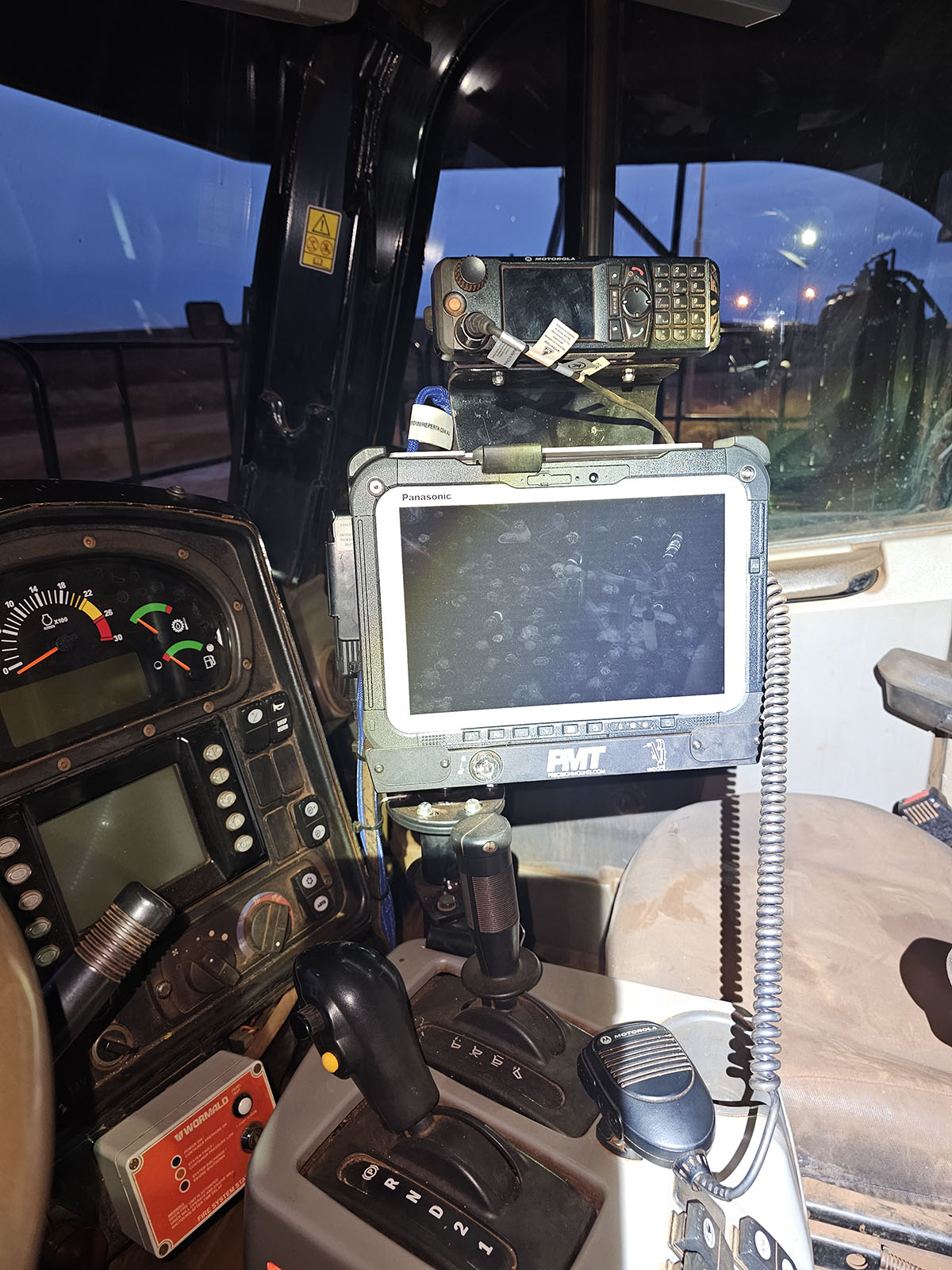
At Roy Hill, this approach has enabled the progressive automation of haulage operations without requiring wholesale fleet replacement. This is particularly significant for mid-tier operators, as it alters the economic model for autonomy adoption. Instead of committing to large-scale capital expenditure tied to a single OEM, operators can incrementally deploy autonomous capability across their existing assets, preserving capital while still capturing productivity gains.
Where the Value Is Now Being Realised
The most substantial gains from modern autonomous haulage systems are emerging from the convergence of consistent machine operation, energy optimisation and system-wide coordination. Electrified haulage, particularly through trolley assist systems, is delivering measurable reductions in diesel consumption on ramp segments while simultaneously increasing haul speeds under load. When combined with autonomous control, these systems ensure that energy is used efficiently and consistently, eliminating the variability that typically undermines fuel-saving initiatives.
At the same time, interoperability is becoming a defining factor in system design. Brand-agnostic platforms allow mining companies to maintain flexibility in equipment selection, avoiding long-term dependence on a single supplier ecosystem. This flexibility extends to maintenance strategies, data ownership and future technology integration, all of which are critical considerations for operations seeking to remain competitive over the life of a mine.
The ability to retrofit autonomy onto existing fleets represents another major shift in value creation. By extending the operational life of current assets while introducing advanced control systems, mining companies can achieve a more favourable balance between capital expenditure and operational efficiency. This approach also reduces the disruption associated with full fleet replacement, allowing automation to be introduced in a controlled and staged manner.
Implementation Challenges at a Systems Level
Despite these advancements, the implementation of autonomous and electrified haulage systems remains a complex engineering challenge. The deployment of trolley infrastructure requires significant electrical capacity, as well as careful design of haul road geometry to ensure reliable pantograph engagement. Integrating autonomy with existing mine systems, including planning, dispatch, and maintenance platforms, requires a high level of coordination and technical expertise.
The question of data ownership and control is also becoming increasingly important. OEM-integrated systems offer seamless performance within their ecosystems but may limit flexibility, while third-party platforms provide interoperability at the cost of increased integration complexity. Mining companies must therefore make strategic decisions about how they structure their digital and operational environments.
Future Outlook: Convergence and Accessibility
The direction of the industry is now clearly defined by the convergence of autonomy, electrification and open-system architectures. As these technologies mature, their adoption is expanding beyond tier-one mining companies into mid-tier operations. Improvements in communications infrastructure, such as private LTE networks, along with the availability of modular deployment models and managed service offerings, are lowering the barriers to entry.
Industry leadership from organisations such as the International Council on Mining and Metals continues to reinforce the role of these technologies in achieving both safety and sustainability objectives. Autonomous haulage is no longer viewed in isolation but as a critical component of a fully integrated, data-driven mining operation.
Future Ready Haulage
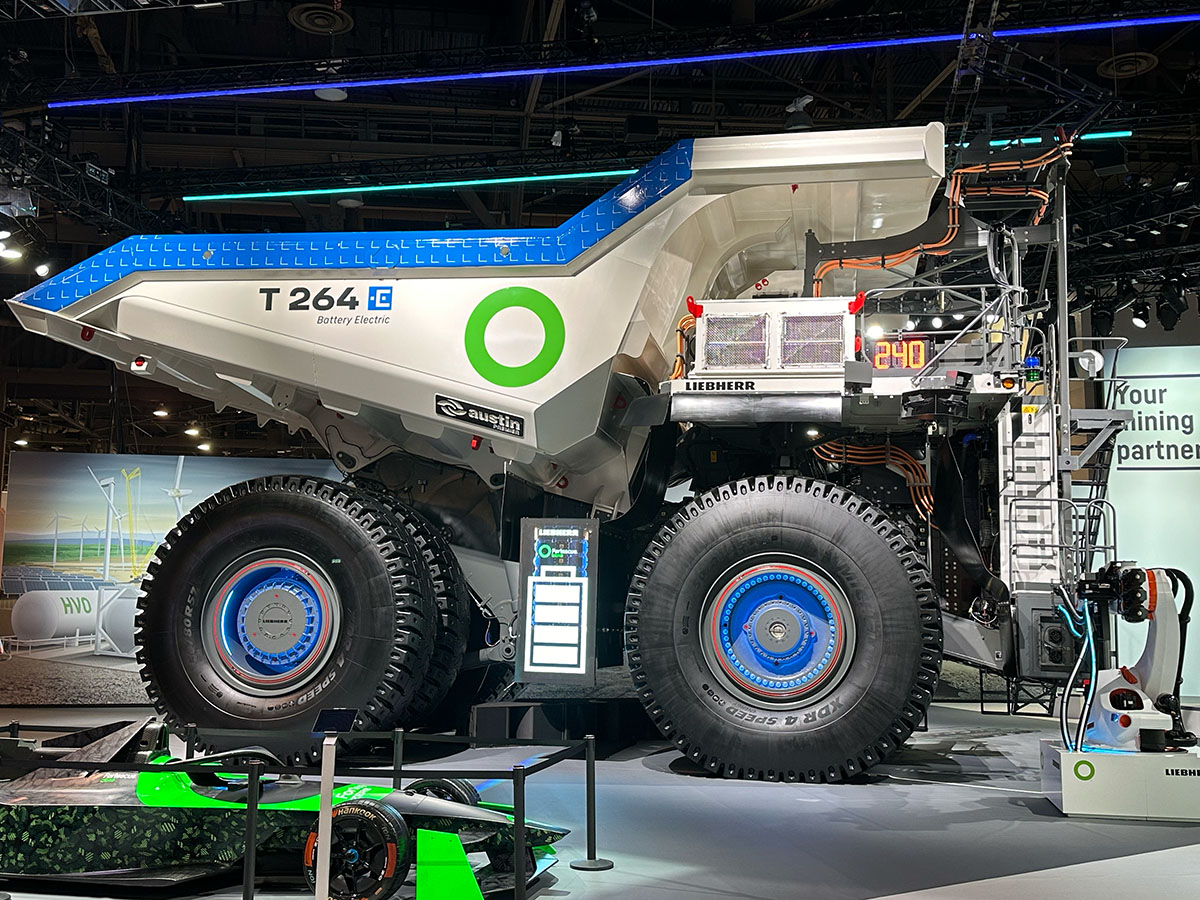
The evolution of autonomous haulage systems has moved beyond the initial objective of removing operators from trucks. It now represents a comprehensive re-engineering of the haulage function, integrating precise machine control with energy optimisation and system-wide coordination. Caterpillar’s integration of trolley-assisted electrification, Komatsu’s power-agnostic autonomy platform and the brand-agnostic model demonstrated by Epiroc and ASI Mining collectively illustrate the direction in which the industry is heading.
For mid-tier mining operators, this evolution presents a practical and economically viable pathway to adoption. Autonomy is no longer a binary decision requiring full fleet replacement but a scalable capability that can be introduced progressively. The result is a more consistent, efficient and future-ready haulage system that aligns with both operational and environmental objectives.